

Live Sound Speakers Explained: Types and Their Ideal Uses
Live Sound Speakers Explained: Types and Their Ideal Uses In the realm of professional audio, live sound speakers play a critical role in delivering crystal-clear audio to audiences in a variety of settings. Whether you are organizing a concert, corporate event, or public address, understanding the different types of live sound speakers and their ideal uses is essential. This article aims to pro
Sep 29,2026
Live Sound Speakers Explained: Types and Their Ideal Uses
In the realm of professional audio, live sound speakers play a critical role in delivering crystal-clear audio to audiences in a variety of settings. Whether you are organizing a concert, corporate event, or public address, understanding the different types of live sound speakers and their ideal uses is essential. This article aims to provide a comprehensive guide to live sound speakers, exploring their features, applications, and how to select the perfect option for your specific needs.
Table of Contents
- Understanding Live Sound Speakers
- Types of Live Sound Speakers
- Choosing the Right Speaker for Your Event
- Setting Up Live Sound Speakers
- Frequently Asked Questions
- Conclusion
Understanding Live Sound Speakers
Live sound speakers are designed specifically for performance settings where sound needs to be projected over a large area. They differ from studio monitors, which are crafted for listening accuracy in a controlled environment. Live sound speakers are built to withstand the rigors of transport and setup while providing robust audio output that encompasses various frequencies.
In live environments, speakers must be powerful enough to fill a space without distortion, ensuring that every audience member enjoys the performance, regardless of where they are seated. Understanding the types of speakers available and their specific applications will help you make informed decisions when it comes to audio setup.
Types of Live Sound Speakers
Choosing the right type of speaker is crucial to achieving the desired sound quality for your event. Below, we break down the primary categories of live sound speakers that professionals use.
Active vs. Passive Speakers
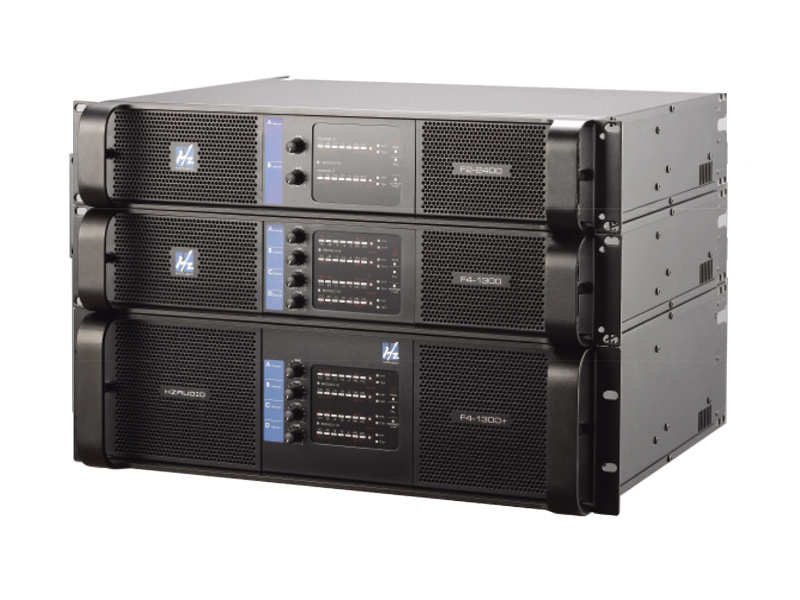
One of the first distinctions to make in live sound speakers is between active and passive speakers. Active speakers come with built-in amplifiers, allowing them to be plugged directly into a sound source. This feature simplifies setup and is ideal for smaller events where space and equipment are limited. On the other hand, passive speakers require an external amplifier, providing more flexibility in terms of power and sound output but adding complexity to the setup process.
Full-Range Speakers
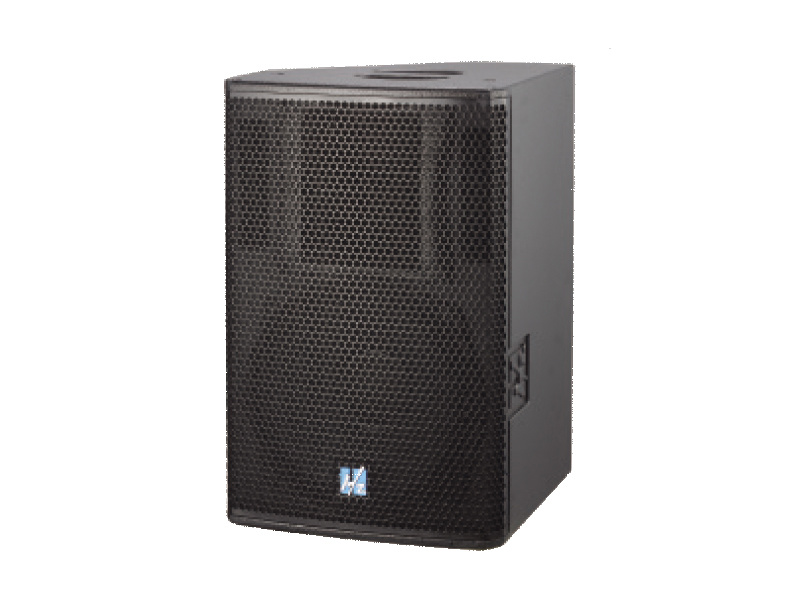
Full-range speakers are designed to reproduce a wide range of frequencies, making them suitable for various audio applications. They are commonly used in live music situations, where vocals, instruments, and backing tracks need to be heard clearly. These speakers typically include multiple drivers to handle different frequency ranges: a woofer for low frequencies, a midrange driver for vocals and instruments, and a tweeter for high frequencies.
Subwoofers
Subwoofers specialize in producing low-frequency sounds, typically below 100 Hz. They add depth to music by enhancing bass response, making them a critical component in any live sound system, particularly for genres like hip-hop, electronic, and rock music. Subwoofers can be used alongside full-range speakers to ensure a balanced sound throughout the frequency spectrum.
Monitor Speakers
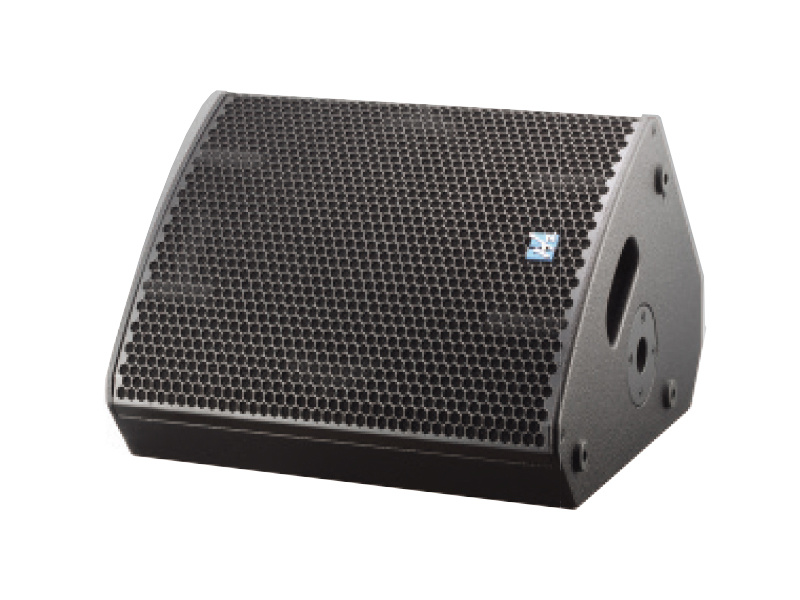
Monitor speakers, or stage monitors, are designed for performers to hear themselves clearly during a live performance. These speakers are often positioned on the stage, facing the performers, allowing them to maintain their timing and pitch without the need for excessive volume. They provide a crucial role in live sound setups, ensuring that artists can deliver their best performances.
Line Array Speakers
Line array speakers consist of multiple speakers arranged vertically to provide even sound distribution over a wide area. They are particularly effective in large venues, as they minimize sound loss and ensure that every corner of the audience receives a consistent audio experience. Line arrays are typically used in large concerts, festivals, and events where sound quality is paramount.
Choosing the Right Speaker for Your Event
With various types of speakers available, selecting the right one for your event can be challenging. Several factors should be considered to ensure optimal audio performance.
Considering the Venue
The venue size and acoustics play an essential role in speaker selection. A large outdoor area will typically require more powerful speakers, such as line arrays or multiple full-range speakers, to project sound effectively. Conversely, smaller indoor venues may only need a few active or full-range speakers to achieve the desired audio quality.
Audience Size and Type
Understanding your audience's size and type will also influence your speaker choice. For a large crowd, fuller sound systems that include subwoofers and line array speakers are preferable. However, for smaller gatherings or corporate events, active speakers may suffice, providing clear audio without overwhelming the audience.
Budget Considerations
Your budget is another critical factor in selecting live sound speakers. While it may be tempting to invest in high-end systems, it is essential to balance quality with your budget constraints. There are several reliable brands offering budget-friendly options without compromising too much on quality, making it possible to achieve great sound without breaking the bank.
Setting Up Live Sound Speakers
Once you've selected the right speakers for your event, the next step is to set them up correctly to ensure optimal performance.
Placement Techniques
The placement of live sound speakers can significantly impact audio quality. Full-range speakers should ideally be placed at ear level and slightly angled towards the audience. Subwoofers, on the other hand, can be placed on the ground for better bass response. It's essential to experiment with placement to find the optimal position that minimizes feedback and maximizes sound clarity.
Cabling and Connection
Proper cabling and connections are vital for achieving uninterrupted audio quality. Ensure that you use high-quality cables and connectors to minimize signal degradation. For active speakers, plug them directly into your mixer or audio interface. For passive speakers, connect them to the external amplifier, ensuring that the speaker impedance matches the amplifier specifications to avoid damage.
Frequently Asked Questions
1. What are the best live sound speakers for outdoor events?
For outdoor events, line array speakers or high-powered full-range speakers are ideal due to their ability to project sound over long distances while maintaining clarity.
2. Do I need a subwoofer for my live sound setup?
A subwoofer is recommended if you are working with music genres that require deep bass. It will enhance the overall audio experience, especially for larger events.
3. Can I use studio monitors for live sound?
While studio monitors provide accurate sound reproduction, they are not designed for live sound situations due to their limited power and projection capabilities.
4. How can I minimize feedback during a live performance?
To minimize feedback, ensure that microphones are positioned away from speakers and use directional microphones. Adjusting levels on the mixer can also help control feedback.
5. What should I look for when renting live sound speakers?
When renting live sound speakers, consider their power ratings, compatibility with your existing equipment, and whether they meet the specific requirements of your event.
Conclusion
Live sound speakers are indispensable in delivering high-quality audio experiences across various settings. By understanding the different types of speakers available and their ideal uses, you can make informed choices that enhance your events. Whether you're hosting a concert, corporate gathering, or any other live performance, selecting the right speakers is crucial for ensuring that your audience enjoys the best possible sound. Remember to consider the venue, audience size, and budget as you make your selections, and don't forget about the importance of proper setup and placement. With the right knowledge and preparation, your live sound setup can achieve impressive audio clarity and performance, leaving a lasting impression on your audience.

CONTACT
Hzaudio Office Address: 16 st joins ave, mont Albert, Vic 3127, Australia
Hzaudio Lab Address: No. 455, Fuyi Road, Dalong Street, Panyu District, Guangzhou, China
Tel: +86 20-34882578 Cell:+86 18620144731
E-mail: sale@hzaudio.com
Follow Us On Wechat!