

Stage Monitor Speakers: An Essential Guide for Sound Engineers
Stage Monitor Speakers: An Essential Guide for Sound Engineers Table of Contents 1. Introduction to Stage Monitor Speakers 2. What Are Stage Monitor Speakers? 3. Types of Stage Monitor Speakers 3.1 Active vs. Passive Monitors 3.2 Wedge Monitors 3.3 In-Ear Monitors 3.4 Column Monitors 4. Benefits of Using Stage Monit
Nov 13,2026
Stage Monitor Speakers: An Essential Guide for Sound Engineers
Table of Contents
- 1. Introduction to Stage Monitor Speakers
- 2. What Are Stage Monitor Speakers?
- 3. Types of Stage Monitor Speakers
- 4. Benefits of Using Stage Monitor Speakers
- 5. Setting Up Stage Monitor Speakers
- 6. Troubleshooting Common Issues
- 7. Expert Recommendations
- 8. Frequently Asked Questions
- 9. Conclusion
1. Introduction to Stage Monitor Speakers
Stage monitor speakers play a crucial role in live sound engineering, providing performers with the audio they need to deliver flawless performances. Unlike traditional PA systems, which project sound to the audience, stage monitors are designed specifically for musicians and vocalists on stage. This unique requirement makes understanding their functionality and types essential for any sound engineer.
In this guide, we will explore the various aspects of stage monitor speakers, including their types, benefits, setup techniques, and troubleshooting tips. By the end of this article, you will have a comprehensive understanding of how to effectively use stage monitor speakers to enhance live performances.
2. What Are Stage Monitor Speakers?
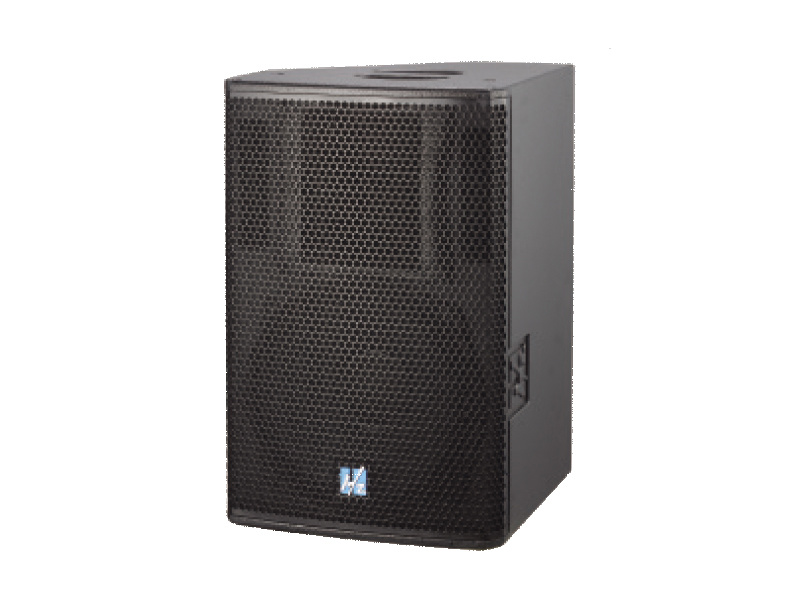
Stage monitor speakers, often referred to simply as "monitors," are loudspeakers that provide audio feedback to performers. They help musicians hear themselves and each other clearly during a live performance, which is critical for maintaining pitch, timing, and overall performance quality.
These speakers come in various shapes and sizes, tailored for different environments and performance styles. Their primary function is to deliver sound directionally toward the performers, which distinguishes them from conventional loudspeakers aimed at an audience.
3. Types of Stage Monitor Speakers
Understanding the different types of stage monitor speakers can help sound engineers choose the right equipment for specific performance needs. Below, we discuss the most common types of stage monitors.
3.1 Active vs. Passive Monitors
One of the first distinctions to make when selecting stage monitor speakers is whether to use **active** or **passive** monitors.
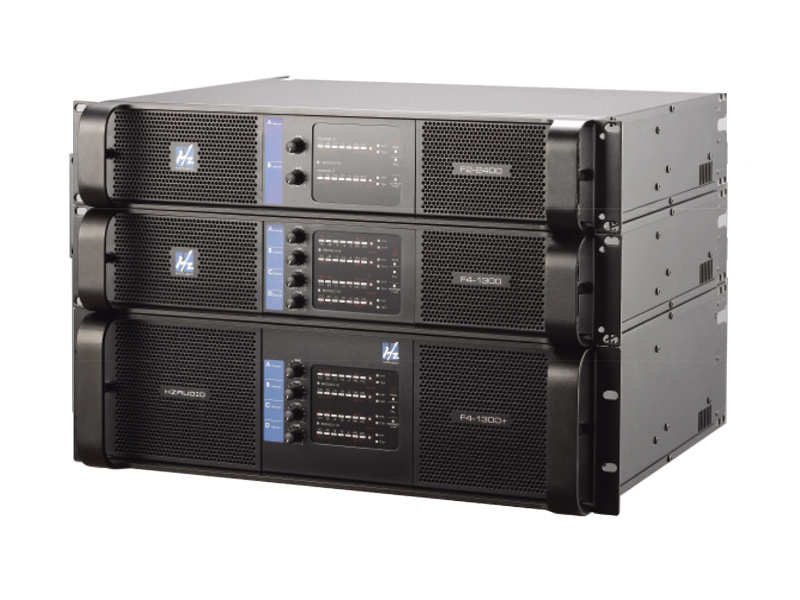
- **Active Monitors**: These speakers contain built-in amplifiers, making them easier to set up and use. They require a power source but eliminate the need for external amplifiers, which simplifies the audio rig.
- **Passive Monitors**: These speakers do not have built-in amplifiers and rely on external power sources. While they can provide greater flexibility in power selection and sound quality, they require more complex setup and wiring.
Choosing between active and passive monitors often comes down to the specific needs of the performance and the sound engineer's preferences.
3.2 Wedge Monitors
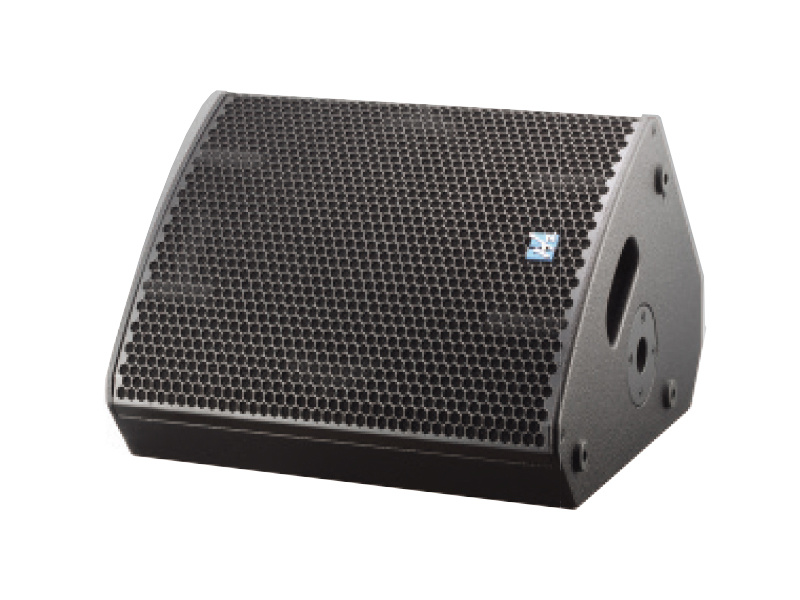
Wedge monitors are the most common type of stage monitor and are named for their wedge-like shape. They are designed to sit on the floor at an angle, directing sound upward toward the performers. This design allows for optimal sound projection without interfering with the performers' line of sight.
Wedge monitors are versatile and can be used in various performance settings, from concerts to theater productions.
3.3 In-Ear Monitors
In-ear monitors (IEMs) are an increasingly popular choice among performers, particularly in genres where stage volume needs to be controlled. These small, lightweight devices fit snugly in the ears, providing personalized sound directly to the performer.
IEMs offer several advantages, including:
- **Reduced Stage Volume**: By providing a direct audio feed, IEMs can minimize the overall sound levels on stage, which is beneficial for both performers and the audience.
- **Sound Isolation**: They help reduce ambient noise, allowing musicians to focus on their performance without distractions.
While IEMs can be more expensive than traditional monitors, their benefits often justify the investment.
3.4 Column Monitors
Column monitors are a newer design in the world of stage audio. These speakers feature an array of small drivers arranged in a vertical column. They provide an even dispersion of sound, making them an excellent choice for larger stages and venues.
Column monitors can be used in conjunction with traditional monitors or as a standalone solution, depending on the requirements of the performance.
4. Benefits of Using Stage Monitor Speakers
Choosing the right stage monitor speakers can significantly enhance the quality of a live performance. Below are several key benefits of using stage monitor speakers:
- **Improved Performance Quality**: By providing clear audio feedback, stage monitors help performers stay in tune and in time, resulting in a better overall show.
- **Personalized Sound Control**: Many monitors allow performers to adjust their individual mix, enabling them to hear what they need most for their specific roles.
- **Enhanced Communication**: With better sound quality, on-stage communication between musicians becomes smoother, which is critical for coordinating cues during live performances.
- **Reduced Stress and Fatigue**: Accurate monitoring reduces the need for performers to strain to hear themselves, which can lead to less vocal fatigue and improved performance stamina.
5. Setting Up Stage Monitor Speakers
Setting up stage monitor speakers requires careful planning to achieve optimal sound quality. Here are some essential tips to consider.
5.1 Placement Tips
The placement of stage monitors is crucial for effective sound projection. Here are some general guidelines:
- **Angle the Monitors**: Position wedge monitors at an angle that directs sound toward the performers' ears while ensuring they can see the audience and other band members.
- **Avoid Feedback Loops**: Place monitors away from microphones to prevent feedback. If possible, position the monitors at a distance from the microphones while still allowing for adequate sound delivery.
- **Use Multiple Monitors**: For larger stages, consider using multiple monitors to ensure even sound distribution across the performance area.
5.2 Cabling and Connections
Proper cabling and connectivity are vital for ensuring that stage monitor speakers perform at their best. Here are a few best practices:
- **Use Quality Cables**: Invest in high-quality cables to minimize signal loss and interference.
- **Check Connections**: Before the performance, double-check all connections to ensure they are secure and functioning properly.
- **Label Cables**: For easier troubleshooting during setup and breakdown, label all cables to indicate their respective inputs and outputs.
6. Troubleshooting Common Issues
Even with careful setup, you may encounter some common issues with stage monitor speakers. Here are a few solutions:
- **Feedback Problems**: If feedback occurs, adjust the monitor's position, reduce its volume, or use a notch filter to eliminate specific frequencies causing feedback.
- **Inconsistent Sound Levels**: If sound levels fluctuate, check all connections and cables for damage. Inconsistent levels can often be attributed to faulty wiring.
- **Phase Cancellation**: If certain frequencies seem to disappear or sound thin, it may be a phase cancellation issue. Ensure that all monitors are wired correctly and not out of phase with each other.
7. Expert Recommendations
To help you choose the right stage monitor speakers, consider the following recommendations from sound engineering experts:
- **Behringer Truth B2031A**: Known for its clarity and accurate reproduction, this active monitor is a great choice for smaller venues.
- **Yamaha HS Series**: Renowned for their precision, the HS series offers both active and passive models suitable for various stage setups.
- **Shure PSM300 In-Ear Monitor System**: For those who prefer in-ear monitoring, Shure’s system is highly regarded for its sound quality and reliability.
- **QSC K.2 Series**: These versatile powered monitors provide exceptional sound quality and are perfect for larger productions.
8. Frequently Asked Questions
1. What is the difference between active and passive stage monitor speakers?
Active monitors have built-in amplifiers, making them easier to set up. Passive monitors require external amplifiers and more complex wiring.
2. How do I prevent feedback when using stage monitor speakers?
To prevent feedback, position monitors away from microphones and use lower volume levels. Consider adjusting the EQ settings as well.
3. Can I use in-ear monitors with traditional stage monitors?
Yes, many performers use both in-ear monitors and traditional wedge monitors to achieve the best sound for their needs.
4. What factors should I consider when choosing stage monitor speakers?
Consider the venue size, the type of performance, your budget, and the specific features you need, such as portability and sound quality.
5. How do I know if my stage monitor setup is effective?
An effective setup allows performers to hear themselves and each other clearly without increased stage volume or feedback issues.
9. Conclusion
Stage monitor speakers are an indispensable component of live sound engineering, providing performers with the clarity and feedback they need to deliver exceptional performances. By understanding the different types of monitors, their benefits, and proper setup techniques, sound engineers can create an optimal audio experience for both artists and audiences. Whether you’re working in an intimate venue or a large arena, the right stage monitor speakers can make all the difference in achieving a successful live performance.
PREVIOUS:

CONTACT
Hzaudio Office Address: 16 st joins ave, mont Albert, Vic 3127, Australia
Hzaudio Lab Address: No. 455, Fuyi Road, Dalong Street, Panyu District, Guangzhou, China
Tel: +86 20-34882578 Cell:+86 18620144731
E-mail: sale@hzaudio.com
Follow Us On Wechat!