

Maximize Your Sound Experience: Tips for Selecting Live Sound Speakers
Maximize Your Sound Experience: Tips for Selecting Live Sound Speakers When it comes to enjoying music, podcasts, or any audio-driven experience, the quality of sound can make all the difference. Selecting the right live sound speakers is crucial for maximizing your sound experience, whether you're hosting an event, performing live music, or simply enjoying high-fidelity audio in your home. In t
Oct 07,2026
Maximize Your Sound Experience: Tips for Selecting Live Sound Speakers
When it comes to enjoying music, podcasts, or any audio-driven experience, the quality of sound can make all the difference. Selecting the right live sound speakers is crucial for maximizing your sound experience, whether you're hosting an event, performing live music, or simply enjoying high-fidelity audio in your home. In this guide, we will explore various factors to consider, helping you choose speakers that not only meet your needs but also elevate your auditory experience to new heights.
Table of Contents
- Understanding Live Sound Speakers
- Key Criteria for Selecting Live Sound Speakers
- Types of Live Sound Speakers
- Budgeting for Live Sound Speakers
- Additional Features to Consider
- Top Brands for Live Sound Speakers
- Maintaining Your Live Sound Speakers
- Conclusion
- FAQs
Understanding Live Sound Speakers
Live sound speakers are designed to reproduce audio at high volumes with clarity and precision. They are essential for concerts, events, and home audio setups. Understanding the key components and functionality of these speakers is the first step in making an informed decision.
Importance of Speaker Specifications
When selecting live sound speakers, specifications such as power rating, frequency response, and sensitivity are vital. These metrics not only affect audio quality but also determine how well speakers perform in different environments.
Key Criteria for Selecting Live Sound Speakers
Choosing the right live sound speakers involves evaluating several critical criteria. Each criterion plays a significant role in the overall sound experience.
Power Handling Capacity
The power handling capacity of a speaker refers to how much power (in watts) it can handle before distortion occurs. Look for speakers with a higher wattage rating for larger venues or outdoor events. This capacity ensures that the speakers can produce sound at higher volumes without compromising quality.
Frequency Response
Frequency response indicates the range of frequencies a speaker can reproduce. A wider frequency range typically leads to better sound reproduction. Look for speakers with a frequency response that covers both low bass and high treble for a more balanced sound.
Impedance and Sensitivity
Impedance, measured in ohms, affects how much power the speaker draws from the amplifier. Most live sound speakers have an impedance of 4, 6, or 8 ohms. Sensitivity measures how efficiently a speaker converts power into volume; higher sensitivity means louder sound with less power.
Types of Live Sound Speakers
Understanding the various types of live sound speakers can help you make a more informed decision based on your specific needs. Below are the most common types.
Passive vs Active Speakers
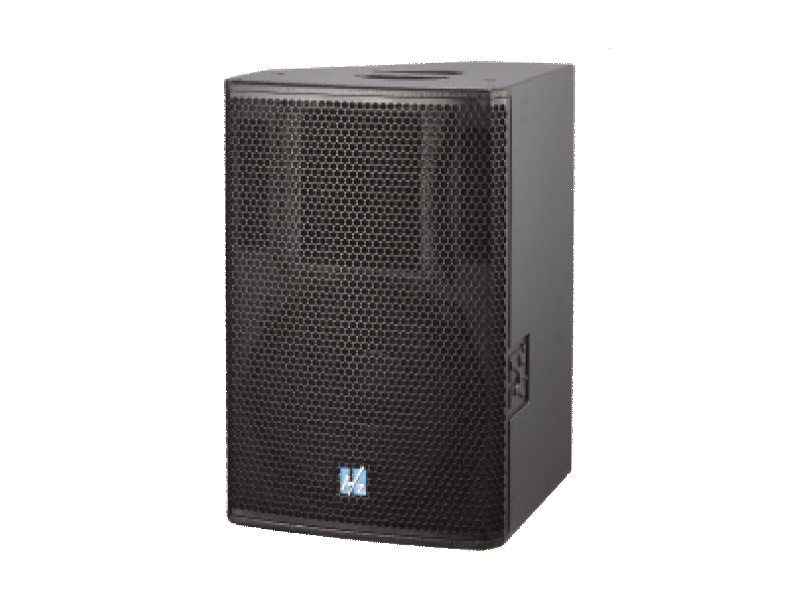
Passive speakers require an external amplifier to power them, while active speakers have built-in amplifiers. Active speakers are generally easier to set up and are ideal for those who prefer a plug-and-play option, whereas passive speakers may offer more flexibility for audio professionals.
Monitoring Speakers
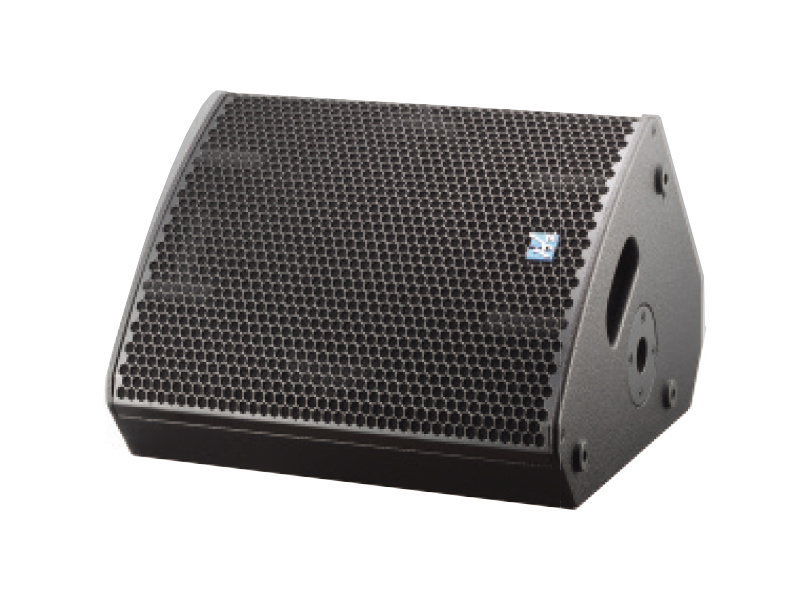
Monitoring speakers, or studio monitors, are optimized for audio accuracy, making them essential for sound engineers and producers. They provide a true representation of the sound, allowing for precise mixing and mastering.
Subwoofers
Subwoofers are designed to reproduce low-frequency sounds, enhancing the bass response of your audio setup. They are an excellent addition for live performances where deep bass is essential for genres like hip-hop, electronic, and rock music.
Budgeting for Live Sound Speakers
The cost of live sound speakers can vary widely based on brand, specifications, and features. Establishing a budget before you start shopping will help narrow your options and prevent overspending.
Understanding Price Ranges
Typically, entry-level live sound speakers range from $100 to $300, while professional-grade options can start from $500 and go into the thousands. It's essential to balance quality with budget to find speakers that deliver the best value for your needs.
Additional Features to Consider
While the core specifications are crucial, additional features can enhance your sound experience.
Portability and Design
For mobile DJs and event planners, the weight and design of speakers matter. Look for lightweight models with handles or wheels for easy transport.
Connectivity Options
Modern speakers may offer Bluetooth or Wi-Fi connectivity, allowing seamless integration with various devices. This feature is particularly useful for those who frequently use digital audio sources.
Built-in Effects and EQ Settings
Some speakers come with built-in effects or equalization settings, enabling you to customize sound output according to the environment and type of performance.
Top Brands for Live Sound Speakers
When investing in live sound speakers, opting for reputable brands can significantly impact your experience. Here are some of the top names in the industry:
- QSC: Known for high-quality sound and durability, suitable for both professional and home use.
- JBL: Offers a wide range of speakers, renowned for their clear sound and robust construction.
- Yamaha: Provides reliable and versatile options for various audio applications.
- Electro-Voice: Focuses on innovative technology and superior audio performance.
- KRK: Popular among producers and sound engineers for their accurate monitoring speakers.
Maintaining Your Live Sound Speakers
Proper maintenance can prolong the lifespan of your speakers and ensure they continue to perform at their best. Here are some essential maintenance tips:
Regular Cleaning
Dust and debris can affect sound quality over time. Regularly clean the exterior and grilles of your speakers using a soft cloth. Avoid using harsh chemicals that can damage the finish.
Check Connections
Ensure that all cables and connections are secure to avoid interruptions in sound. Periodically inspect for wear and replace any damaged cables immediately.
Conclusion
Selecting the right live sound speakers is a vital step in maximizing your sound experience. By understanding key specifications, types of speakers, and additional features, you can make informed decisions that suit your specific needs. Whether you're looking for portability, advanced technology, or superior audio quality, the tips and insights provided in this guide will help you navigate the vast market of live sound speakers, ensuring you choose the perfect model for your audio endeavors.
FAQs
1. What is the difference between passive and active speakers?
Passive speakers require an external amplifier, while active speakers have a built-in amplifier, making them easier to set up for beginners.
2. How do I determine the right power rating for my speakers?
Consider the size of the venue and the type of audio you will be playing. Higher wattage ratings are suitable for larger venues.
3. Can I use home audio speakers for live events?
While it is possible, home audio speakers are typically not designed for high-volume environments and may not provide the clarity needed for live sound.
4. What is frequency response, and why is it important?
Frequency response measures the range of frequencies a speaker can reproduce, affecting sound quality. A wider range provides a more balanced audio experience.
5. How often should I maintain my live sound speakers?
Regular maintenance should be done every few months, while more thorough checks should be conducted before major events to ensure all connections are secure and equipment is clean.
PREVIOUS:

CONTACT
Hzaudio Office Address: 16 st joins ave, mont Albert, Vic 3127, Australia
Hzaudio Lab Address: No. 455, Fuyi Road, Dalong Street, Panyu District, Guangzhou, China
Tel: +86 20-34882578 Cell:+86 18620144731
E-mail: sale@hzaudio.com
Follow Us On Wechat!