

How to Select the Best Stage Monitor Speakers for Your Genre
How to Select the Best Stage Monitor Speakers for Your Genre When it comes to live performances, the importance of **stage monitor speakers** cannot be overstated. The right monitors are crucial for artists, helping them hear themselves and their bandmates clearly, thus enhancing overall performance quality. However, with a myriad of options available, selecting the perfect stage monitor speakers
Nov 21,2026
How to Select the Best Stage Monitor Speakers for Your Genre
When it comes to live performances, the importance of **stage monitor speakers** cannot be overstated. The right monitors are crucial for artists, helping them hear themselves and their bandmates clearly, thus enhancing overall performance quality. However, with a myriad of options available, selecting the perfect stage monitor speakers tailored to your genre can be overwhelming. This guide will walk you through the essential considerations and provide you with valuable insights into how to make the right choice.
Table of Contents
1. Understanding Stage Monitor Speakers
2. Key Factors to Consider When Choosing Stage Monitor Speakers
2.1. Speaker Type: Active vs Passive
2.2. Size and Portability
2.3. Power Rating and Sensitivity
2.4. Frequency Response
2.5. Build Quality and Durability
3. How Different Genres Affect Monitor Speaker Selection
3.1. Rock and Metal Genres
3.2. Jazz and Blues Genres
3.3. Electronic and Dance Music Genres
3.4. Acoustic and Folk Genres
4. Budgeting for Stage Monitor Speakers
5. Tips for Setting Up Your Stage Monitor Speakers
6. Frequently Asked Questions (FAQs)
7. Conclusion
1. Understanding Stage Monitor Speakers
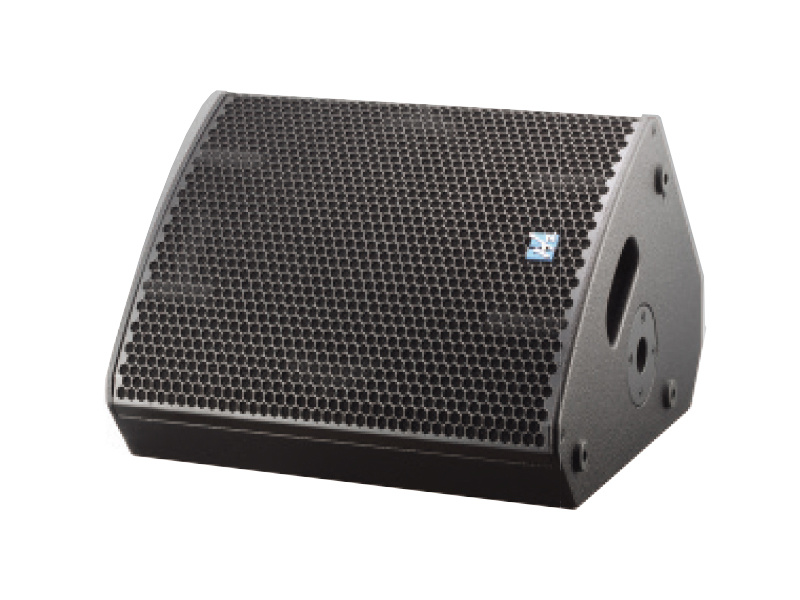
Stage monitor speakers are specialized sound equipment designed to allow performers to hear a mix of their instruments and vocals during live performances. Unlike main PA speakers that project sound to the audience, stage monitors deliver sound directly to musicians, enabling them to maintain timing and pitch. Choosing the right monitors is essential to ensure clarity and balance in the sound mix, which can vary widely depending on the musical genre.
2. Key Factors to Consider When Choosing Stage Monitor Speakers
Several critical factors influence the selection of stage monitor speakers. Understanding these elements will help you make an informed decision that suits your specific needs.
2.1. Speaker Type: Active vs Passive
The choice between **active** and **passive** speakers is fundamental. Active speakers contain built-in amplifiers, making them convenient and easier to set up. They also often provide better sound quality due to optimized internal components. On the other hand, passive speakers require external amplifiers, which can provide flexibility in terms of power and sound customization. Depending on your setup and professional needs, consider which type aligns best with your performance style.
2.2. Size and Portability
Portability is crucial for live performances, especially if you are a touring musician. Smaller, lightweight monitors are easier to transport and set up. However, be mindful that size can impact sound quality and volume. Larger speakers might deliver a fuller sound but can be cumbersome. Think about your performance environment and choose a size that balances quality with ease of transport.
2.3. Power Rating and Sensitivity
The **power rating** of a speaker, measured in watts, indicates its maximum output capability without distortion. In contrast, sensitivity, measured in decibels (dB), reflects how efficiently a speaker converts power into sound. Generally, a speaker with a higher sensitivity rating will perform well at lower power levels. When selecting monitors, consider both power rating and sensitivity to ensure you meet the demands of your music genre.
2.4. Frequency Response
Frequency response is a measure of the range of frequencies a speaker can reproduce. A broader frequency response allows for better reproduction of different instruments and vocals across various genres. For instance, rock musicians may require speakers that accurately render low-end frequencies, while acoustic artists may need monitors that excel in mid to high frequencies. Pay close attention to frequency response specifications to find the best fit for your sound.
2.5. Build Quality and Durability
Stage monitor speakers undergo rigorous use in live settings, which can lead to wear and tear. Look for speakers constructed from high-quality materials that can withstand the rigors of touring. Features like rugged enclosures and reinforced grilles can enhance durability. Investing in robust speakers will ensure longevity and reliable performance during your gigs.
3. How Different Genres Affect Monitor Speaker Selection
Not all genres of music have the same requirements for stage monitor speakers. Understanding how your musical style influences speaker choice is crucial.
3.1. Rock and Metal Genres
For **rock and metal** genres, stage monitor speakers must deliver powerful bass and clear vocals. Look for monitors with a broad frequency response that can handle high sound pressure levels. Active speakers with substantial power ratings are often preferred, as they provide the volume needed to compete with loud guitars and drums without distortion.
3.2. Jazz and Blues Genres
In **jazz and blues**, clarity and subtlety are paramount. Musicians in these genres often require monitors that accurately reproduce intricate sounds. Choosing speakers with good mid-range and high-frequency response is essential, as these frequencies highlight vocals and solo instruments. A moderately powered active speaker might suffice, allowing for a natural sound that complements the performance.
3.3. Electronic and Dance Music Genres
**Electronic and dance music** often rely heavily on bass and rhythm. Choosing monitors that excel in low-end frequencies is crucial for getting the right danceable sound. Look for speakers with a solid bass response and high power handling to keep up with the energy of electronic performances. Subwoofers may also be a beneficial addition to your setup for enhanced bass response.
3.4. Acoustic and Folk Genres
In **acoustic and folk music**, clarity is critical. Artists often prefer monitors that accurately reproduce vocals and acoustic instruments. Look for speakers with smooth frequency response and high fidelity. Smaller, portable monitors may work well in this genre, providing enough projection without overwhelming the natural sound.
4. Budgeting for Stage Monitor Speakers
Establishing a budget is essential when selecting stage monitor speakers. Prices can range widely based on features, brand reputation, and build quality. While it's tempting to go for the cheapest option, investing in quality monitors will yield better sound and durability. Conduct research to find monitors within your budget that meet your requirements and consider the long-term benefits of spending a bit more on reliable equipment.
5. Tips for Setting Up Your Stage Monitor Speakers
Once you have selected your monitors, proper setup is crucial to getting the most out of them. Here are some practical tips:
1. **Positioning**: Place monitors at ear level and angled slightly towards the performers for optimal sound projection.
2. **Volume Control**: Adjust the volume to a comfortable level. Monitors that are too loud can lead to feedback and discomfort.
3. **Sound Check**: Always conduct a thorough sound check before performing. Test different positions and mixes to find the most balanced sound.
4. **Cables and Connections**: Use high-quality cables to minimize signal loss and interference. Ensure that connections are secure to avoid disruptions during the performance.
6. Frequently Asked Questions (FAQs)
What are stage monitor speakers?
Stage monitor speakers are designed to allow performers to hear themselves and their bandmates clearly during live performances.
What is the difference between active and passive stage monitor speakers?
Active speakers have built-in amplifiers, while passive speakers require external amplifiers. Active speakers are typically easier to set up and offer optimized sound.
How do I know what power rating I need for my stage monitor speakers?
The power rating you need depends on the size of the venue and the loudness of your performance. In general, higher power ratings are necessary for larger venues and louder performances.
Can I use the same stage monitor speakers for different genres of music?
While you can use the same speakers, certain genres have specific requirements. It’s best to select monitors that cater to the specific demands of your music genre.
How do I maintain my stage monitor speakers?
Regularly check for wear and tear, clean the speakers, and ensure connections are secure. Store them properly between gigs to prolong their lifespan.
7. Conclusion
Selecting the best stage monitor speakers for your genre is a crucial decision that can significantly impact your performance quality. By understanding the essential factors such as speaker type, size, power rating, frequency response, and how your genre influences these choices, you can make an informed decision. Investing in quality monitors tailored to your musical style will enhance your sound, allowing you to perform at your best on stage. With the right setup and care, you can create an immersive live experience for both yourself and your audience.
PREVIOUS:

CONTACT
Hzaudio Office Address: 16 st joins ave, mont Albert, Vic 3127, Australia
Hzaudio Lab Address: No. 455, Fuyi Road, Dalong Street, Panyu District, Guangzhou, China
Tel: +86 20-34882578 Cell:+86 18620144731
E-mail: sale@hzaudio.com
Follow Us On Wechat!