

Why Sound Quality Matters in Stage Monitor Speakers: A Comprehensive Guide
Why Sound Quality Matters in Stage Monitor Speakers Sound quality is a vital aspect of any live performance, serving as the backbone for both performers and the audience. Stage monitor speakers are designed to deliver audio feedback directly to the performers, allowing them to hear themselves and their bandmates clearly. However, the importance of sound quality in these monitors often goes underes
Oct 17,2026
Why Sound Quality Matters in Stage Monitor Speakers
Sound quality is a vital aspect of any live performance, serving as the backbone for both performers and the audience. Stage monitor speakers are designed to deliver audio feedback directly to the performers, allowing them to hear themselves and their bandmates clearly. However, the importance of sound quality in these monitors often goes underestimated. In this comprehensive article, we will delve into why sound quality matters in stage monitor speakers and explore its implications on live performances.
The Essential Role of Stage Monitor Speakers
When it comes to live performances, stage monitor speakers play a crucial role in the overall sound experience. While the main PA system focuses on delivering sound to the audience, stage monitors direct audio to the performers. This creates a feedback loop, ensuring that artists can hear the nuances of their music, allowing for an engaging performance.
Understanding Stage Monitor Speakers
Stage monitor speakers are specialized audio devices that provide sound reinforcement for performers on stage. Unlike standard loudspeakers, monitors are designed to provide a more accurate sound representation, allowing artists to hear different instruments and vocals clearly. This accuracy is key to maintaining pitch, timing, and overall sound quality during a performance.
Types of Stage Monitor Speakers
There are several types of stage monitor speakers available, each offering unique features and sound profiles. Understanding these can help you choose the right monitor for your specific needs:
Wedge Monitors
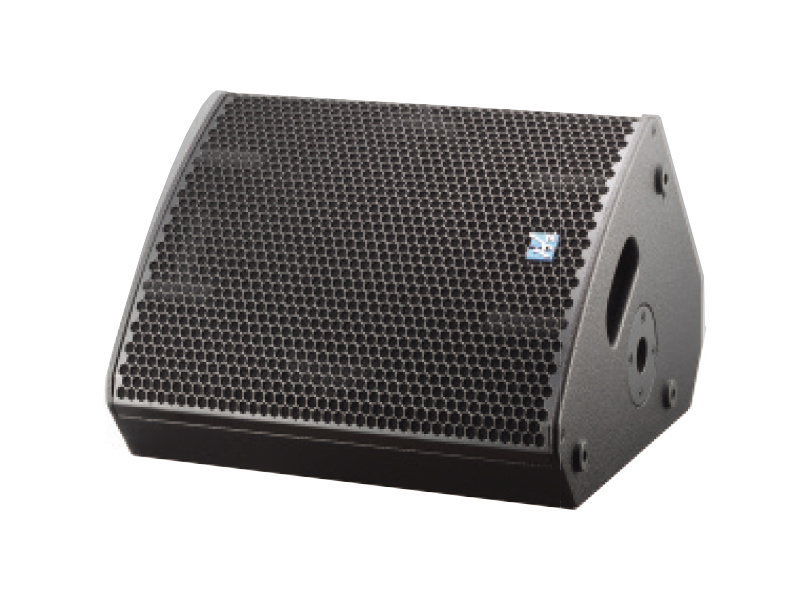
Wedge monitors are the most common type of stage monitor speakers. Shaped like a wedge, they are designed to sit at an angle on the stage floor, directing sound upward toward the performer. This configuration allows for optimal sound delivery and clarity.
In-Ear Monitors (IEM)
In-ear monitors provide a different approach to sound monitoring. Instead of relying on traditional speakers, IEMs consist of earpieces that fit directly into the performer’s ears. This can significantly reduce stage noise and provide a clearer sound.
Active vs. Passive Monitors
Active monitors have built-in amplifiers, allowing for more straightforward setup and connectivity. Passive monitors, on the other hand, require separate amplifiers, which can provide more flexibility in terms of sound customization.
The Impact of Sound Quality on Performance
The sound quality of stage monitor speakers significantly impacts live performance. Factors such as clarity, frequency response, and volume levels all contribute to how well performers can engage with their music and the audience.
Clarity: The Key to Performance Confidence
Clear sound is crucial for performers to feel confident on stage. When they can hear themselves and their bandmates without distortion or muddiness, it reduces the risk of missing notes or singing off-key. This clarity allows musicians to focus on their performance, fostering a more engaging experience for the audience.
Frequency Response: The Heart of Sound Quality
Frequency response refers to the range of frequencies that a speaker can reproduce accurately. A wider frequency response means that the monitor can deliver both low and high frequencies effectively. This is particularly important for vocalists and musicians who rely on a broad range of sounds. High-quality monitors ensure that every note and tone is reproduced faithfully, enhancing the overall sound experience.
Volume Levels: Finding the Right Balance
Proper volume levels are essential for effective monitoring. If a stage monitor is too quiet, performers may struggle to hear themselves, leading to mistakes. Conversely, if the volume is too high, it can cause discomfort or even hearing damage. High-quality stage monitor speakers can produce ample volume without sacrificing sound integrity, allowing for a balanced audio experience.
Choosing the Right Stage Monitor Speakers
Selecting the right stage monitor speakers involves considering various factors that directly influence sound quality and performance. Here are some essential elements to keep in mind when making your choice.
Assessing Your Needs
The first step in selecting stage monitor speakers is assessing your specific needs. Consider the type of performances you will be using them for, the size of the venue, and the number of performers. Understanding these requirements will help you choose the right types and quantities of monitors.
Sound Quality Specifications
When evaluating different monitor speakers, pay close attention to the specifications that indicate sound quality. Look for monitors with a wide frequency response, low distortion levels, and high sensitivity ratings. Additionally, read reviews and seek recommendations from professionals in the industry to ensure you are investing in high-quality equipment.
Budget Considerations
While it can be tempting to opt for cheaper options, investing in high-quality stage monitor speakers can pay off in the long run. Poor sound quality can detract from a performance and ultimately affect your reputation as an artist. When setting your budget, remember to consider the long-term benefits of superior sound quality.
Examples of High-Quality Stage Monitor Speakers
To further assist in your selection process, here are a few examples of high-quality stage monitor speakers that are well-regarded in the industry:
JBL PRX812W
The JBL PRX812W is an active loudspeaker known for its exceptional sound quality and robust build. With a frequency response of 50 Hz to 20 kHz, it provides a rich audio experience, making it suitable for various live performances.
Yamaha DBR10
The Yamaha DBR10 is another excellent choice for stage monitor applications. This active speaker offers a maximum output of 129 dB and features a lightweight design, making it easy to transport. Its clear sound and reliable performance make it a popular option among musicians.
Shure SE215
For those considering in-ear monitors, the Shure SE215 is a top choice. These earphones deliver impressive sound isolation and clarity, allowing performers to focus on their music without external distractions.
Maintaining Your Stage Monitor Speakers
Proper maintenance of stage monitor speakers is essential for ensuring long-lasting performance and sound quality. Here are some tips to keep your equipment in top shape:
Regular Cleaning
Regularly clean your speakers to prevent dust buildup, which can affect sound quality. Use a soft, dry cloth to wipe down the exterior and ensure any air vents remain clear.
Proper Storage
When not in use, store your stage monitor speakers in a cool, dry place. Consider using padded cases to protect them from damage during transport.
Conducting Routine Checks
Periodically check your speakers for any signs of wear or damage. Listen for unusual sounds such as crackling or distortion, and address any issues promptly to prevent further damage.
Frequently Asked Questions (FAQs)
1. Why is sound quality important in stage monitor speakers?
Sound quality is crucial because it directly affects a performer’s ability to hear themselves and their bandmates clearly, which is essential for maintaining pitch and timing.
2. What are the best types of stage monitor speakers?
The best types include wedge monitors, in-ear monitors, and active monitors, each serving different needs depending on the performance environment.
3. How can I improve the sound quality of my stage monitors?
Improving sound quality can be achieved by selecting high-quality speakers, optimizing placement, and ensuring proper amplification and equalization.
4. What factors should I consider when choosing stage monitor speakers?
Key factors include sound quality specifications, budget, the type of performances, and the size of the venue.
5. How often should I maintain my stage monitor speakers?
Regular maintenance should be conducted, including cleaning and routine checks, to ensure longevity and consistent sound quality.
Conclusion
In conclusion, sound quality in stage monitor speakers plays a pivotal role in the success of live performances. From clarity and frequency response to proper volume levels, the impact of sound quality cannot be overstated. By understanding the importance of these factors and investing in high-quality equipment, performers can significantly enhance their stage presence and ensure a memorable experience for their audience. Whether you’re a seasoned professional or just starting, prioritizing sound quality will always pay dividends in the world of live performance.
PREVIOUS:

CONTACT
Hzaudio Office Address: 16 st joins ave, mont Albert, Vic 3127, Australia
Hzaudio Lab Address: No. 455, Fuyi Road, Dalong Street, Panyu District, Guangzhou, China
Tel: +86 20-34882578 Cell:+86 18620144731
E-mail: sale@hzaudio.com
Follow Us On Wechat!