

Monitor Speakers for Stage: The Essential Tool for Live Performances
Stage monitor speakers provide performers with clarity and precision, ensuring better sound and confidence during live shows.
Jan 26,2026
In the world of live music, theater, and other stage performances, sound is one of the most critical elements for delivering a memorable experience. While the audience’s sound is generally taken care of with large PA systems, monitor speakers for stage are an essential piece of equipment that ensures performers can hear themselves and their fellow musicians clearly. Without them, performers can struggle with timing, pitch, and overall performance, which can lead to errors and a subpar live experience.
What Are Monitor Speakers?
Monitor speakers, also known as stage monitors, are speakers placed on the stage facing the performers rather than the audience. They provide a real-time audio feed of the performance so that the musicians, actors, or presenters can hear themselves and each other during the live show. These speakers are crucial in both musical and theatrical performances, allowing the talent to stay in sync and maintain their focus.
Unlike regular loudspeakers used for audience sound, stage monitors are specifically designed to deliver clarity, precision, and low distortion, even at high volumes. This is especially important in dynamic environments like concert venues or theater stages, where performers need to hear subtle details, such as the nuances of a live mix or dialogue.
Types of Monitor Speakers
Monitor speakers come in various forms and configurations, each tailored for different performance settings.
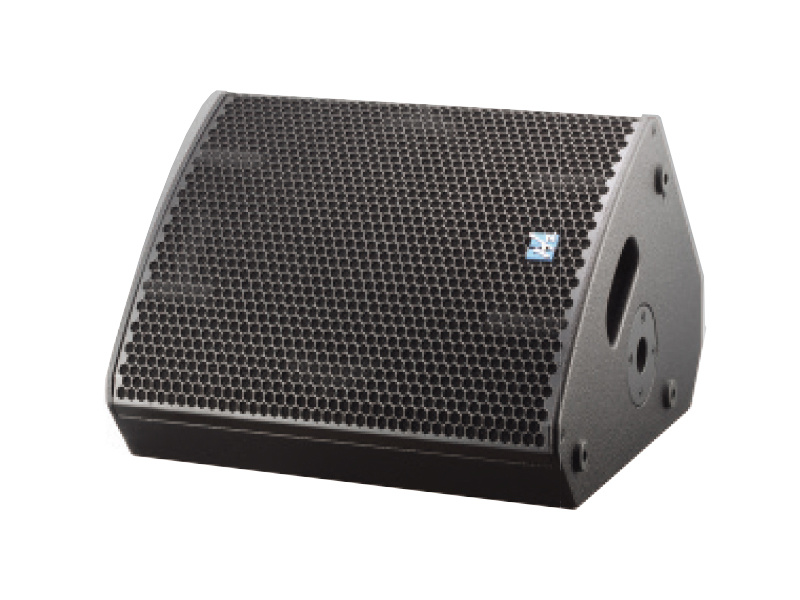
Wedge Monitors: These are the most common type of stage monitors. Wedge-shaped speakers are positioned on the floor of the stage and are tilted upwards towards the performers. They provide clear sound without taking up much space and are usually durable enough to handle the demands of live performances.
In-Ear Monitors (IEMs): In-ear monitors are another popular option, especially for musicians or performers who need more personal control over their sound. These devices fit directly into the ears and provide high-quality sound isolation, which is crucial in loud environments. IEMs also help performers avoid feedback issues that can occur with traditional wedge monitors.
Floor Monitors: Floor monitors are similar to wedge monitors but may have different acoustic designs. They’re placed directly on the floor in front of the performers and may be used for more specific purposes, like providing enhanced bass or better coverage for a particular instrument.
Personal Monitor Systems: These systems combine traditional monitors with wireless technology. Performers can control their own mix through a personal monitor, which is particularly useful for larger groups, where multiple sound sources need to be adjusted independently.
Benefits of Stage Monitors
Monitor speakers are not just about hearing oneself on stage—they provide several advantages that significantly enhance a live performance. Here are a few key benefits:
Improved Sound Clarity: Monitors ensure performers can hear every note and every word clearly, regardless of stage noise or audience interference. This is particularly crucial for vocalists, as they need to stay in tune and on time.
Better Communication: In group performances, it’s essential that musicians hear one another. Monitors allow them to communicate musically by adjusting their playing in real-time to match the rest of the group.
Increased Confidence: When performers can hear themselves clearly, they can focus more on their performance and less on whether they’re staying on pitch or beat. This leads to a more confident and relaxed performance.
Feedback Reduction: Using the right monitor setup can reduce feedback issues that often occur when performers rely solely on a distant PA system. Properly placed monitors direct sound toward the performers, minimizing the risk of unwanted feedback.

CONTACT
Hzaudio Office Address: 16 st joins ave, mont Albert, Vic 3127, Australia
Hzaudio Lab Address: No. 455, Fuyi Road, Dalong Street, Panyu District, Guangzhou, China
Tel: +86 20-34882578 Cell:+86 18620144731
E-mail: sale@hzaudio.com
Follow Us On Wechat!