

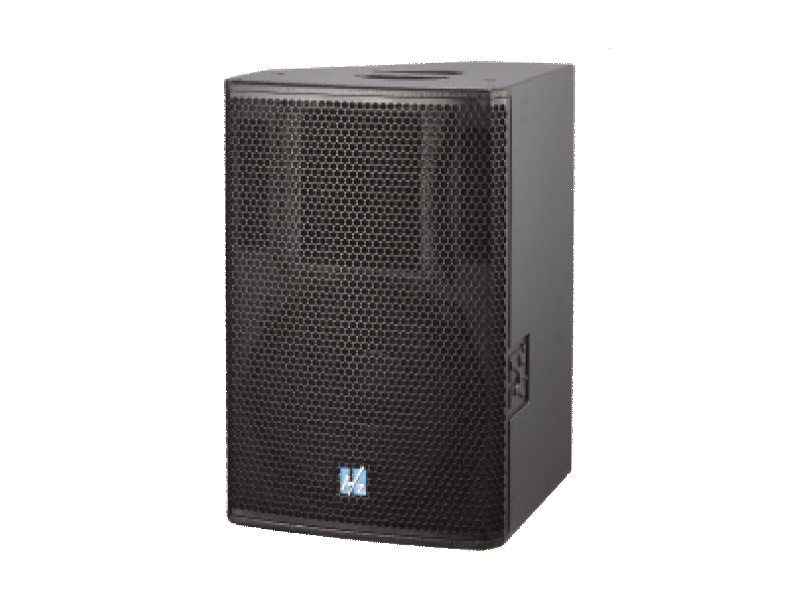
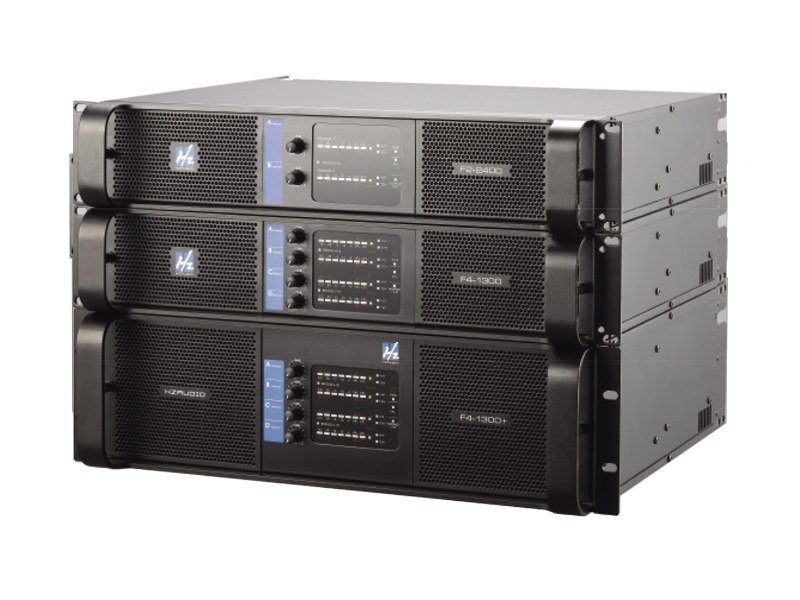
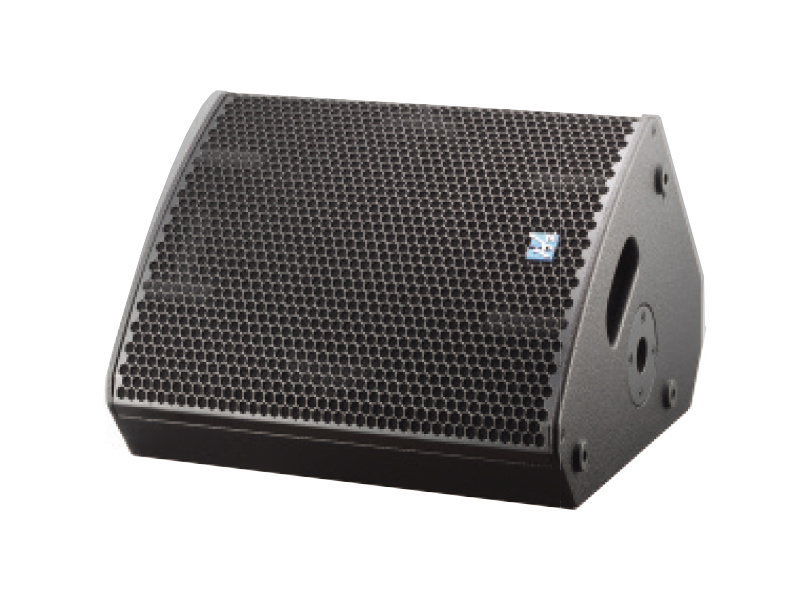
Live Sound Speakers: Innovations to Enhance Your Audio Experience
Live Sound Speakers: Innovations to Enhance Your Audio Experience Table of Contents 1. Introduction to Live Sound Speakers 2. The Importance of Live Sound in Events 3. Current Trends in Live Sound Technology 4. Key Features of Modern Live Sound Speakers 5. Innovative Designs and Architectures in Speaker Systems 6. Smart Technology in Live Sound Speakers 7. Sustainability in Sound Te
Dec 29,2025
Live Sound Speakers: Innovations to Enhance Your Audio Experience
Table of Contents
- 1. Introduction to Live Sound Speakers
- 2. The Importance of Live Sound in Events
- 3. Current Trends in Live Sound Technology
- 4. Key Features of Modern Live Sound Speakers
- 5. Innovative Designs and Architectures in Speaker Systems
- 6. Smart Technology in Live Sound Speakers
- 7. Sustainability in Sound Technology
- 8. Choosing the Right Live Sound Speaker for Your Needs
- 9. Frequently Asked Questions
- 10. Conclusion
1. Introduction to Live Sound Speakers
In the dynamic world of audio technology, **live sound speakers** play a pivotal role in delivering high-quality audio experiences during events, concerts, and presentations. As the demand for superior sound systems increases, innovations continue to reshape how these speakers are designed and utilized. Today's advancements not only improve sound quality but also enhance user experience, making it essential for event organizers, musicians, and audio engineers to stay informed about the latest technologies.
2. The Importance of Live Sound in Events
Live sound systems are crucial for creating an engaging atmosphere. Whether it’s a small gathering or a large concert, the clarity and intensity of sound can significantly impact audience enjoyment. A well-designed sound system ensures that every note, beat, and spoken word resonates, making events memorable. The importance of live sound can be summarized in several key points:
2.1 Audience Engagement
High-quality sound captures the audience's attention, making them feel part of the experience. This is particularly vital for performances where every nuance contributes to the overall impact.
2.2 Clarity and Precision
Clear sound enables audiences to perceive every detail, from vocal nuances to instrumental intricacies. This clarity fosters an immersive experience.
2.3 Performance Enhancement
For performers, reliable live sound systems enhance their ability to connect with the audience. When the sound is rich and vibrant, artists can focus on their performance rather than worrying about audio issues.
3. Current Trends in Live Sound Technology
The landscape of live sound technology is continuously evolving. Some of the most notable trends include:
3.1 Wireless Technology
Wireless microphones and speakers have revolutionized live events, allowing for greater mobility and flexibility. This technology minimizes clutter and enhances performance dynamics.
3.2 Digital Mixing Consoles
Digital mixing consoles offer advanced features such as multi-track recording and real-time sound processing. These consoles enable sound engineers to fine-tune audio elements effortlessly.
3.3 Integration of Mobile Applications
Mobile apps for sound management are becoming popular. These applications allow users to control sound systems remotely, providing convenience and flexibility for live sound professionals.
4. Key Features of Modern Live Sound Speakers
Investing in live sound speakers requires an understanding of their essential features. Here are some critical attributes to consider:
4.1 Frequency Range
A wide frequency range ensures that speakers can reproduce low bass notes and high treble sounds. This encompasses a complete audio spectrum, providing a richer experience.
4.2 Power Output
Higher wattage and power output result in louder sound without distortion. This feature is vital for larger venues where sound needs to travel further.
4.3 Build Quality
Robust construction ensures that speakers withstand the rigors of transport and setup. Durable materials also contribute to better sound quality by reducing unwanted vibrations.
4.3.1 Weather Resistance
For outdoor events, weather-resistant speakers are essential. These speakers are designed to withstand environmental factors, ensuring reliability.
4.4 Connectivity Options
Modern speakers should offer multiple connectivity options, including Bluetooth, XLR, and RCA inputs. This versatility allows for seamless integration with various devices.
5. Innovative Designs and Architectures in Speaker Systems
The design and architecture of live sound speakers have advanced significantly. Some innovative designs include:
5.1 Line Array Systems
Line array speaker systems consist of multiple speakers arranged in a vertical line. This design allows for even sound distribution across large areas, making it ideal for concerts and festivals.
5.2 Compact and Lightweight Designs
Today's speakers are often compact and lightweight, making them easier to transport and set up. These designs do not compromise sound quality, allowing for excellent performance in a smaller package.
5.3 Enhanced Dispersion Patterns
Advanced dispersion technology ensures that sound reaches every corner of a venue. This technology minimizes dead spots and enhances overall sound coverage.
6. Smart Technology in Live Sound Speakers
The integration of smart technology is revolutionizing live sound. Key advancements include:
6.1 AI-Driven Sound Adjustment
Artificial intelligence can analyze audio conditions in real-time, automatically adjusting sound levels and EQ settings for optimal performance.
6.2 Voice-Controlled Systems
Voice-controlled sound systems provide convenience for sound engineers and performers, allowing for hands-free operation during events.
6.3 Remote Monitoring
Remote monitoring capabilities enable sound professionals to check system performance and troubleshoot issues without being physically present, ensuring smooth operations.
7. Sustainability in Sound Technology
As awareness of environmental issues grows, sustainable practices are becoming increasingly important in audio technology. Sustainable innovations include:
7.1 Eco-Friendly Materials
Manufacturers are utilizing materials that are recyclable or sustainably sourced, reducing the environmental impact of production.
7.2 Energy Efficiency
Modern speakers are designed to consume less power without sacrificing performance. Energy-efficient systems reduce operating costs and environmental footprints.
7.3 Long-Lasting Durability
Investing in durable products minimizes waste and promotes sustainability. Long-lasting components mean fewer replacements and less environmental impact.
8. Choosing the Right Live Sound Speaker for Your Needs
Selecting the ideal live sound speaker involves considering several factors:
8.1 Assess Your Venue
The size and acoustics of your venue play a crucial role in speaker selection. Smaller venues may require different speakers than larger spaces.
8.2 Understand Your Audio Needs
Different events have varied audio requirements. For instance, a concert may need bass-heavy speakers, while a corporate presentation may require clarity in vocal reproduction.
8.3 Budget Considerations
Quality comes at a price. Establishing a budget ahead of time narrows down speaker options while ensuring you invest in reliable systems.
8.4 Brand Reputation
Researching brands known for robust customer support and reliable products can guide your decision-making process.
9. Frequently Asked Questions
9.1 What are the best brands for live sound speakers?
Some of the top brands include QSC, JBL, and Yamaha, known for their innovation and reliability in live sound systems.
9.2 How do I set up live sound speakers for an event?
Proper setup involves positioning speakers for optimal sound coverage, ensuring appropriate connections, and conducting sound tests before the event starts.
9.3 Can I use home audio speakers for live events?
Home audio speakers are generally not designed for the rigors of live events. It’s recommended to use professional-grade speakers for best results.
9.4 What features should I look for in outdoor speakers?
Look for weather-resistant designs, durability, and high power output to ensure they perform well in outdoor conditions.
9.5 How important is the speaker's frequency response?
The frequency response is critical as it determines the range of sounds the speaker can produce, directly affecting sound quality.
10. Conclusion
The evolution of live sound speakers continues to enhance audio experiences across events of all types. With innovations in technology, design, and sustainability, today's live sound systems are more efficient and versatile than ever. Understanding the latest trends and key features empowers users to make informed decisions, ensuring that their audio experiences are nothing short of remarkable. Whether you're a sound engineer, a performer, or an event planner, investing in quality live sound speakers will undoubtedly elevate your audio experience to new heights.
PREVIOUS:

CONTACT
Hzaudio Office Address: 16 st joins ave, mont Albert, Vic 3127, Australia
Hzaudio Lab Address: No. 455, Fuyi Road, Dalong Street, Panyu District, Guangzhou, China
Tel: +86 20-34882578 Cell:+86 18620144731
E-mail: sale@hzaudio.com
Follow Us On Wechat!