

Understanding Passive PA Speakers: A Comprehensive Guide for Professionals
--- Passive PA speakers are an integral part of sound reinforcement systems used in various settings, from concerts and public speaking events to installations in venues like churches and auditoriums. Unlike their active counterparts, passive PA speakers do not have built-in amplifiers. Instead, they rely on external amplifiers to power them, giving users greater flexibility and control over their
Jan 21,2026
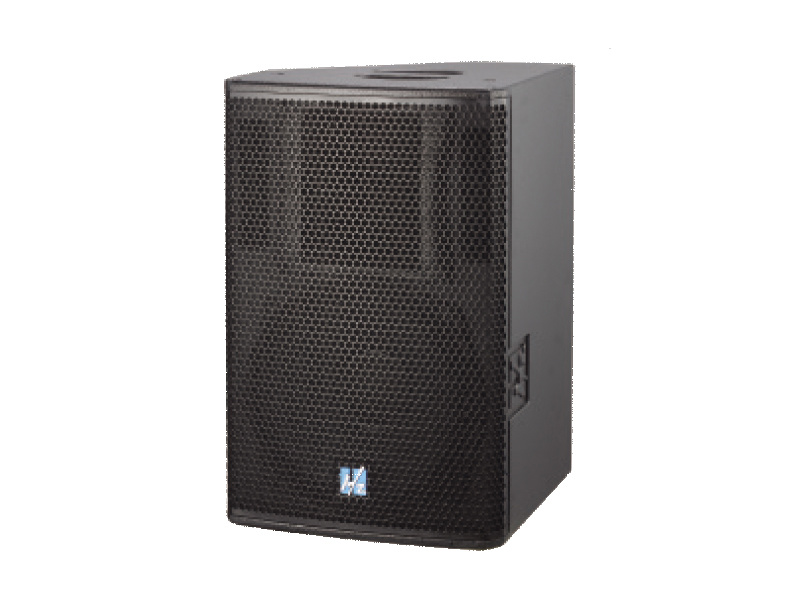
Passive PA speakers are an integral part of sound reinforcement systems used in various settings, from concerts and public speaking events to installations in venues like churches and auditoriums. Unlike their active counterparts, passive PA speakers do not have built-in amplifiers. Instead, they rely on external amplifiers to power them, giving users greater flexibility and control over their audio systems.
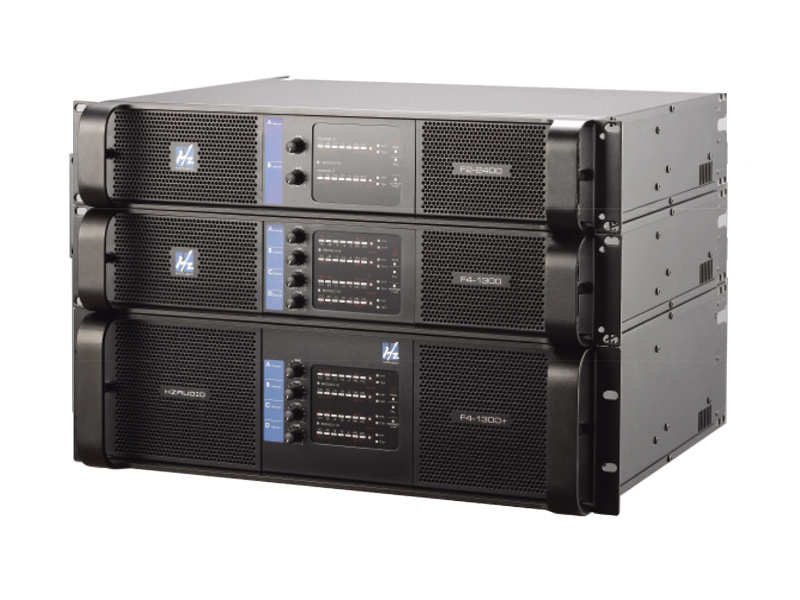
One of the primary benefits of passive PA speakers is their scalability. Since they require an external amplifier, you can choose from a wide range of amplifiers to match the speaker's power handling and impedance specifications. This allows for a more tailored sound experience, as professionals can select amplifiers that complement the acoustic environment and desired sound quality. Additionally, using passive speakers can simplify system upgrades; as technology evolves, you can upgrade your amplifier or speakers independently.
When considering passive PA speakers, it's crucial to pay attention to several specifications, including impedance, power handling, and sensitivity. Impedance indicates how much resistance the speaker provides to the amplifier, typically measured in ohms. Matching the impedance of your speakers to your amplifier is essential for optimal performance. Power handling refers to the maximum wattage a speaker can handle without damage, whereas sensitivity indicates how effectively a speaker converts power into sound.
Another advantage of passive PA speakers is their weight and portability. Generally, passive speakers are lighter than active models, making them easier to transport and set up for events. This is particularly beneficial for professionals who frequently move equipment for gigs or events. Coupled with the right amplifier, passive PA speakers can deliver powerful sound without the bulk associated with built-in amplification systems.
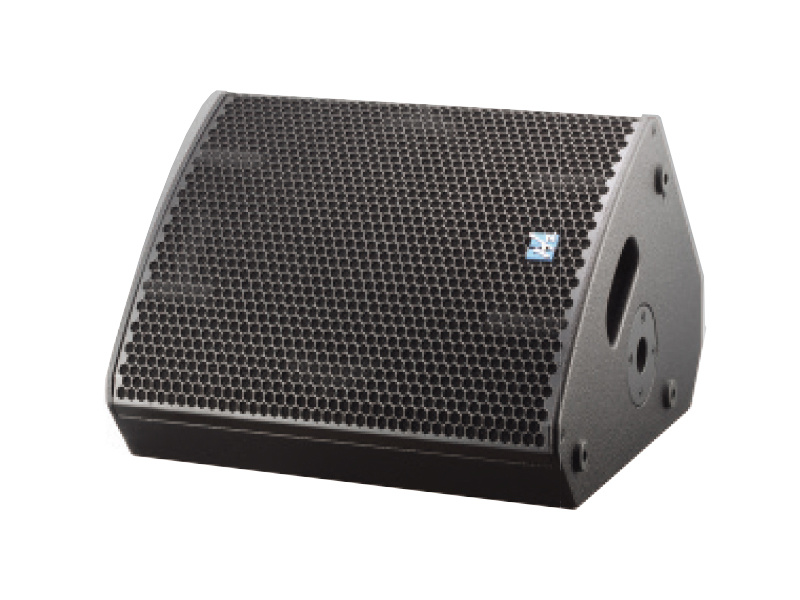
Passive PA speakers also offer versatility in terms of configuration. Professionals can create various sound setups, including mono and stereo configurations, depending on the requirements of the event. Additionally, these speakers can be used in various applications, from small venues to large outdoor events, making them a flexible choice for audio professionals.
Despite their many advantages, it's important to note that passive PA speakers require proper setup and tuning. Users need to ensure that the amplifier settings are appropriately matched to the speaker specifications to avoid distortion or damage. Furthermore, when combining multiple speakers, it's essential to calculate the total impedance and power to ensure optimal performance.
In conclusion, passive PA speakers present a myriad of advantages for audio professionals seeking flexibility, scalability, and control in their sound systems. By understanding the key specifications and benefits of these speakers, industry professionals can make informed choices that enhance their audio setups, delivering the quality sound that audiences expect.
PREVIOUS:

CONTACT
Hzaudio Office Address: 16 st joins ave, mont Albert, Vic 3127, Australia
Hzaudio Lab Address: No. 455, Fuyi Road, Dalong Street, Panyu District, Guangzhou, China
Tel: +86 20-34882578 Cell:+86 18620144731
E-mail: sale@hzaudio.com
Follow Us On Wechat!