

A Beginner’s Comprehensive Guide to Live Sound Speakers: Essential Insights You Need to Know
A Beginner’s Comprehensive Guide to Live Sound Speakers: Essential Insights You Need to Know In today’s world of live events, whether they are concerts, conferences, or public speeches, the quality of sound plays a pivotal role in delivering an unforgettable experience. Understanding live sound speakers is crucial for anyone involved in audio production, from event planners to sound engineers. Thi
Jan 22,2026
A Beginner’s Comprehensive Guide to Live Sound Speakers: Essential Insights You Need to Know
In today’s world of live events, whether they are concerts, conferences, or public speeches, the quality of sound plays a pivotal role in delivering an unforgettable experience. Understanding live sound speakers is crucial for anyone involved in audio production, from event planners to sound engineers. This comprehensive guide will navigate the complexities of live sound speakers, ensuring you're well-equipped to make informed decisions.
Table of Contents
- Understanding Live Sound Speakers
- Types of Live Sound Speakers
- Key Features to Consider When Choosing Speakers
- The Importance of Speaker Configuration
- Setting Up Your Live Sound System
- Common Mistakes to Avoid with Live Sound Speakers
- Maintenance and Care for Your Sound Equipment
- Frequently Asked Questions
Understanding Live Sound Speakers
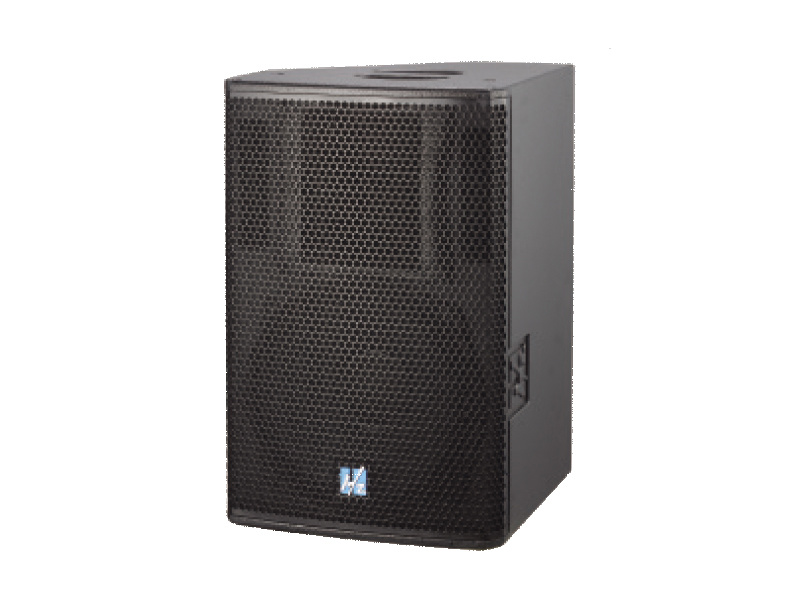
Live sound speakers are designed to amplify sound during events, ensuring clarity and volume. These speakers are crucial for transmitting audio to large audiences, and their effectiveness can significantly impact the overall experience. Understanding these speakers involves recognizing their role, components, and how they differ from standard home audio systems.
Types of Live Sound Speakers
Passive vs. Active Speakers
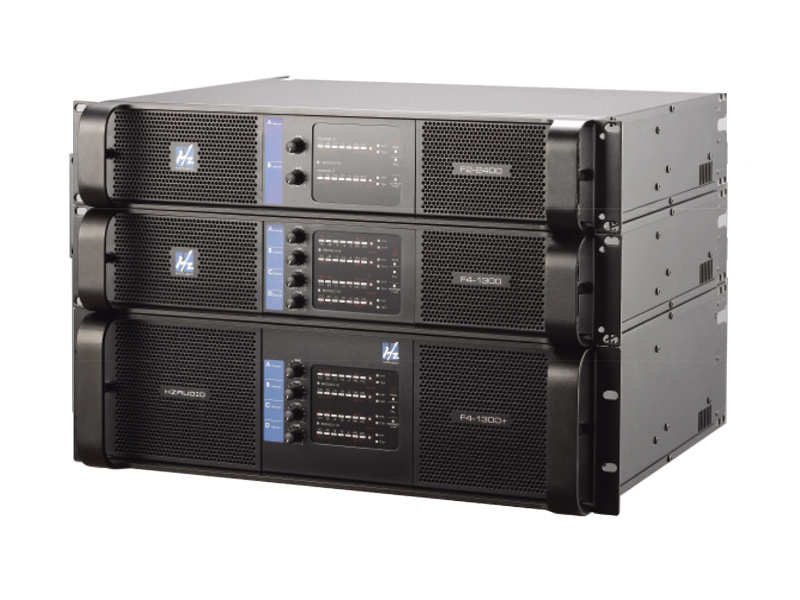
One of the fundamental distinctions in live sound speakers is between passive and active models. **Passive speakers** require an external amplifier to produce sound, whereas **active speakers** come with built-in amplifiers, making them easier to set up and use.
Full-Range Speakers
Full-range speakers are versatile and capable of reproducing a wide spectrum of sound, from low bass to high treble. They are ideal for general use in live performances, providing a balanced audio experience.
Subwoofers
For events where deep bass is essential, subwoofers are integral. These speakers are specifically designed to handle low-frequency sounds, enhancing the overall audio quality and making live music more impactful.
Monitor Speakers
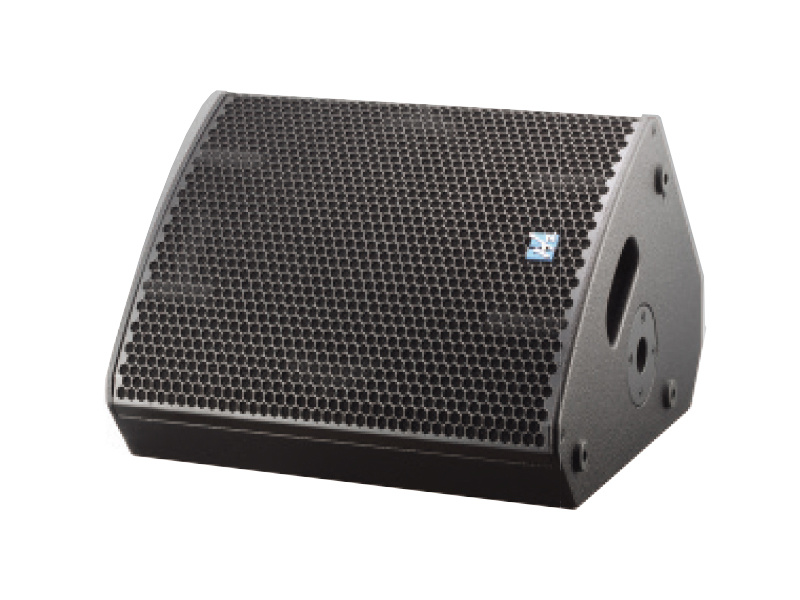
Monitor speakers are used primarily by performers on stage. They allow musicians to hear themselves and each other during live performances, ensuring better coordination and sound quality.
Key Features to Consider When Choosing Speakers
Power Handling
The power handling capability of a speaker, measured in watts, indicates how much power it can handle without distortion. Choosing speakers with an appropriate power rating is crucial to avoid damaging your equipment during high-volume performances.
Frequency Response
The frequency response of a speaker defines the range of sounds it can reproduce. A wider frequency response means the speaker can handle lower and higher pitches, providing a more dynamic sound.
Sensitivity Rating
Sensitivity measures how efficiently a speaker converts power into sound. A higher sensitivity rating means a speaker will produce more sound with less power, which is particularly beneficial in larger venues.
Durability and Build Quality
Considering the environment in which live sound speakers will be used is essential. Look for durable materials that can withstand the rigors of transport and setup, ensuring longevity and reliability.
The Importance of Speaker Configuration
Proper configuration of live sound speakers can significantly impact audio quality. Understanding how to place your speakers for optimal dispersion ensures that sound reaches every audience member clearly. **Considerations include:**
Placement
Speaker placement is crucial. Generally, speakers should be positioned at ear level and angled towards the audience for the best sound clarity.
Speaker Arrays
For larger venues, speaker arrays may be necessary. This involves using multiple speakers arranged in specific configurations to cover a wider area effectively.
Delay and Equalization
Using delay settings can help synchronize sound from different speakers, while equalization adjusts frequencies to create a balanced audio output. Both techniques are vital for achieving high-quality sound in live settings.
Setting Up Your Live Sound System
Setting up a live sound system requires careful planning and execution. Here are key steps to ensure a successful setup:
Gathering Equipment
Before setting up, gather all necessary equipment, including cables, mixers, microphones, and of course, your speakers. Having everything ready simplifies the setup process.
Testing the System
Once set up, it's crucial to test the sound system. Play different audio sources and make adjustments to levels and EQ to ensure sound quality is optimal before the event starts.
Monitoring During the Event
During the event, continuous monitoring of sound levels is essential. If feedback or distortion occurs, adjustments should be made promptly to maintain audio clarity.
Common Mistakes to Avoid with Live Sound Speakers
Underestimating Power Requirements
A common mistake is underestimating the power needs of your speakers. Always choose speakers with adequate power handling to prevent distortion or damage.
Ignoring Room Acoustics
Room acoustics significantly impact sound quality. Failing to consider the venue's acoustics can lead to poor audio experiences. Take some time to familiarize yourself with the space before setting up.
Neglecting Maintenance
Regular maintenance of your sound equipment is often overlooked. Clean your speakers and check for any wear and tear to ensure longevity and performance.
Maintenance and Care for Your Sound Equipment
Proper maintenance of live sound speakers is vital for longevity and performance. Here are some essential tips:
Cleaning
Regularly clean your speakers and all audio equipment. Use a soft cloth and avoid abrasive materials that could scratch surfaces. Pay special attention to the speaker grilles, as they can accumulate dust and debris.
Storage
When not in use, store speakers in a dry, cool environment. Use protective covers to prevent dust accumulation and protect against physical damage.
Regular Inspections
Conduct regular inspections of your equipment. Check cables, connectors, and speaker cones for any signs of wear or damage. Early detection can prevent costly repairs.
Frequently Asked Questions
1. What is the difference between active and passive speakers?
Active speakers have built-in amplifiers, making them easier to use, while passive speakers require external amplifiers for sound production.
2. How do I choose the right size speakers for my venue?
Consider the size of the venue and the audience. Larger venues typically require more powerful speakers or additional subwoofers to ensure sound coverage.
3. Can I use home speakers for live events?
While it's technically possible, home speakers are generally not designed for the power and durability needed in live event environments.
4. What is the importance of speaker placement?
Proper speaker placement enhances sound dispersion. Speakers should be positioned to target the audience effectively, ensuring everyone enjoys clear audio.
5. How often should I perform maintenance on my sound equipment?
Regular maintenance is recommended, ideally after every event. Inspect your equipment for wear and clean it frequently to maintain performance.
Conclusion
Understanding live sound speakers is essential for anyone involved in audio production or event planning. From the types of speakers available to their key features and setup, this guide serves as a foundational resource for beginners. By choosing the right equipment, configuring it properly, and maintaining it with care, you can ensure high-quality sound that enhances any live experience. Investing time in learning about speakers not only improves your event but also elevates your overall audio production skills.

CONTACT
Hzaudio Office Address: 16 st joins ave, mont Albert, Vic 3127, Australia
Hzaudio Lab Address: No. 455, Fuyi Road, Dalong Street, Panyu District, Guangzhou, China
Tel: +86 20-34882578 Cell:+86 18620144731
E-mail: sale@hzaudio.com
Follow Us On Wechat!