

Exploring the Benefits of Passive PA Speakers for Professional Sound Systems
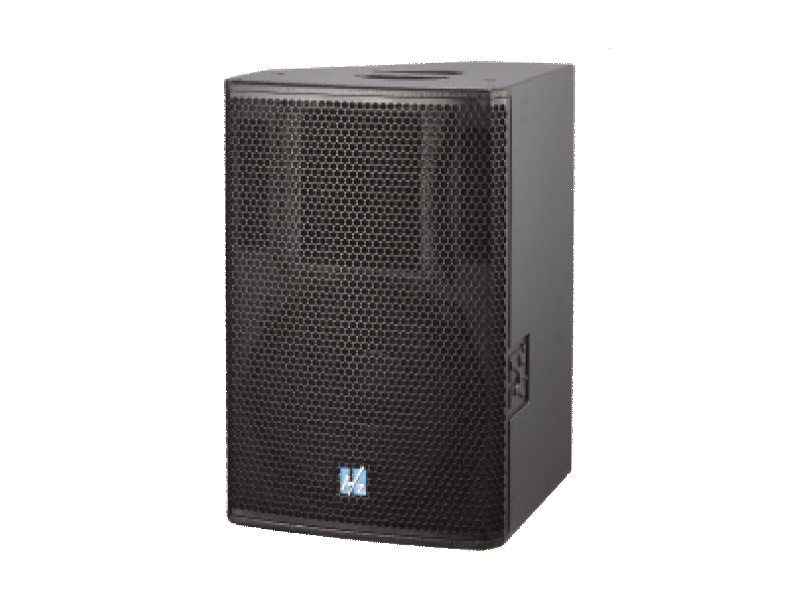
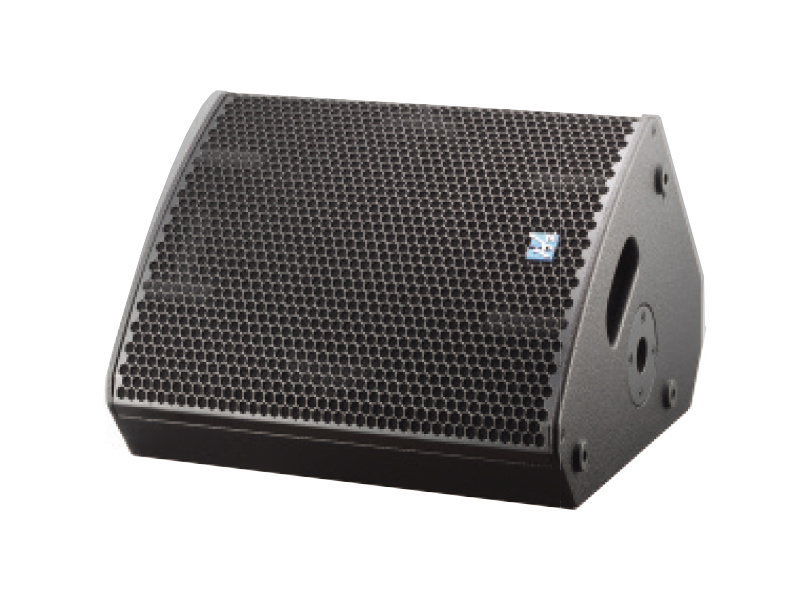
When it comes to setting up a professional sound system, passive PA speakers are a popular choice among audio engineers and sound technicians. Unlike their active counterparts, passive PA speakers require an external power amplifier to drive the sound, offering a range of benefits that can be advantageous in many scenarios. One of the primary advantages of passive PA speakers is their adaptability
Feb 28,2026
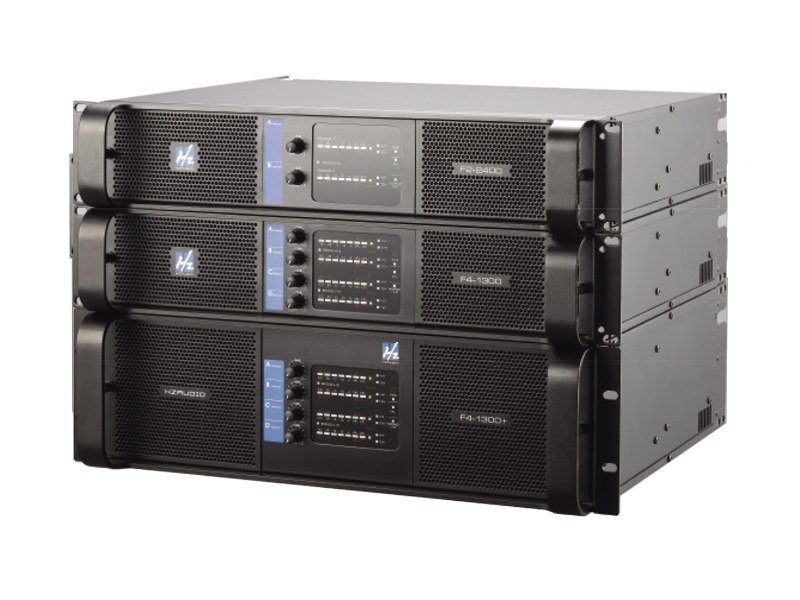
One of the primary advantages of passive PA speakers is their adaptability. Since they do not have built-in amplifiers, users can select amplifiers that match their specific needs and preferences. This flexibility allows audio professionals to tailor their systems for different environments, whether it be a small venue, an outdoor event, or a large concert hall. By choosing the right amplifier, sound engineers can optimize the performance of passive PA speakers to suit the venue's acoustics and audience size.
Another significant benefit is the cost-effectiveness of passive PA speakers. While they may require an initial investment in an amplifier, passive systems can often be more affordable, especially when scaling up for larger setups. For professionals who frequently work with varying group sizes and locations, investing in passive speakers can be a smart long-term strategy.
In terms of sound quality, passive PA speakers can deliver exceptional audio fidelity. With the appropriate amplifier and speaker configuration, sound professionals can achieve a clearer, more dynamic sound that can handle the complexities of live performances. Additionally, passive designs often allow for easier upgrades, as components can be swapped out or replaced without needing to overhaul the entire system.
However, there are considerations to keep in mind when utilizing passive PA speakers. Proper matching of the speaker and amplifier is crucial; an underpowered amplifier can lead to distorted sound, while an overly powerful one can damage the speakers. Furthermore, passive systems require more attention to setup and tuning, as the right crossover setup is essential for optimal performance.
Maintenance is another aspect to consider, as passive PA speakers may require more frequent checking and adjustments compared to active speakers. This means sound professionals need to be well-versed in their system’s configuration and capable of troubleshooting any issues that may arise during a performance.
In conclusion, passive PA speakers are a versatile and cost-effective option for audio professionals looking to create high-quality sound systems. With their adaptability, potential for superior sound quality, and ease of upgrades, they provide a solid foundation for a wide range of audio applications. By understanding the unique advantages and considerations associated with passive PA speakers, sound engineers can make informed decisions to enhance their setups and deliver outstanding audio experiences.

CONTACT
Hzaudio Office Address: 16 st joins ave, mont Albert, Vic 3127, Australia
Hzaudio Lab Address: No. 455, Fuyi Road, Dalong Street, Panyu District, Guangzhou, China
Tel: +86 20-34882578 Cell:+86 18620144731
E-mail: sale@hzaudio.com
Follow Us On Wechat!