

Live Sound Speakers: How to Choose for Your Unique Needs
Live Sound Speakers: How to Choose for Your Unique Needs Table of Contents Understanding Live Sound Speakers Types of Live Sound Speakers Key Features to Consider How to Select the Right Live Sound Speakers Choosing the Right Size and Power Popular Brands and Models Setting Up Your Live Sound System Maintenance and Care for Live Sound Speakers Frequently Asked Questions Underst
Mar 01,2026
Live Sound Speakers: How to Choose for Your Unique Needs
Table of Contents
- Understanding Live Sound Speakers
- Types of Live Sound Speakers
- Key Features to Consider
- How to Select the Right Live Sound Speakers
- Choosing the Right Size and Power
- Popular Brands and Models
- Setting Up Your Live Sound System
- Maintenance and Care for Live Sound Speakers
- Frequently Asked Questions
Understanding Live Sound Speakers
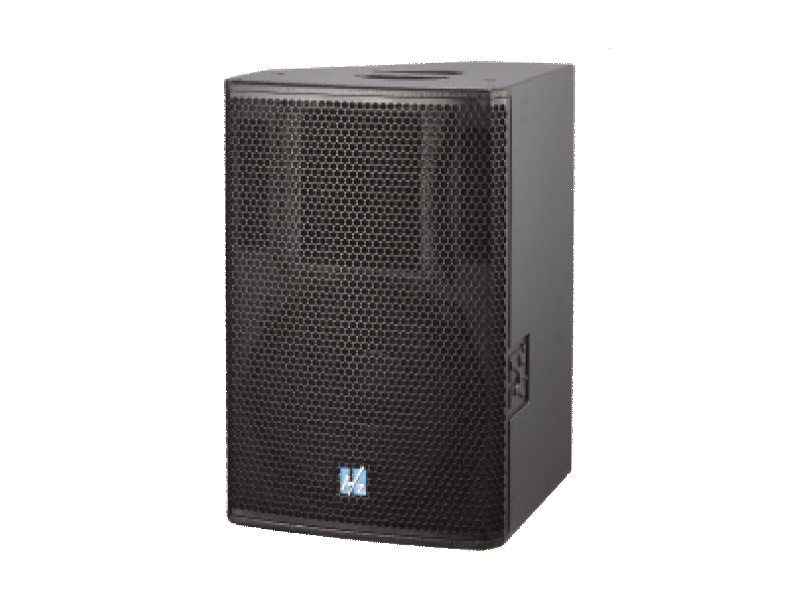
Live sound speakers are a vital component of any audio setup, designed to amplify sound for live events such as concerts, conferences, and public speaking engagements. Unlike standard home audio speakers, live sound speakers are engineered for high-volume output and durability, making them suitable for various environments, from intimate venues to large outdoor festivals. Understanding the importance of speaker selection ensures that sound quality meets the expectations of both performers and audiences.
Types of Live Sound Speakers
When it comes to live sound speakers, various types serve distinct purposes. Each type has its unique benefits and applications.
Active vs. Passive Speakers
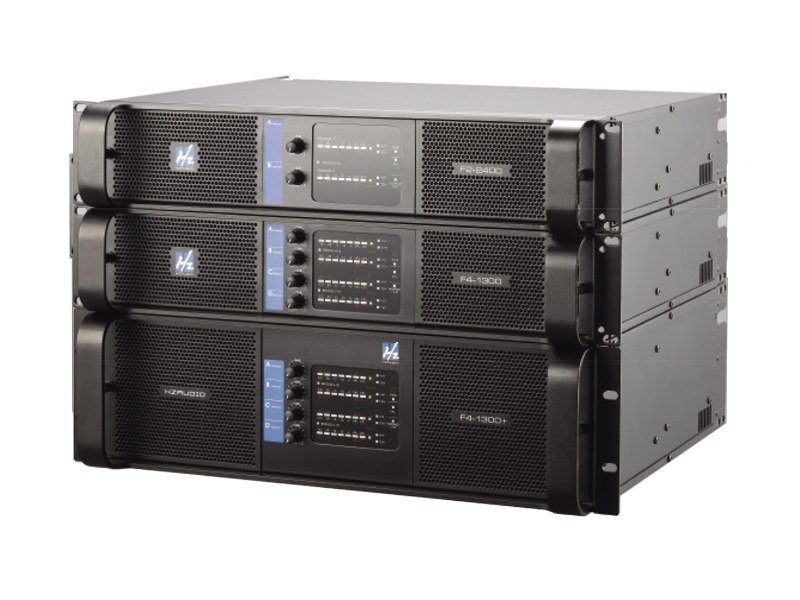
Active speakers come equipped with built-in amplifiers, making them easier to set up and use. They typically offer a more compact design, eliminating the need for external amplification. In contrast, passive speakers require separate amplifiers, providing greater flexibility in sound customization but adding complexity to the setup.
Full-Range Speakers
Full-range speakers are versatile all-in-one solutions, capable of reproducing a wide frequency range. They are suitable for various applications, including vocals, instruments, and recorded music. These speakers often integrate both low and high-frequency drivers, making them a popular choice for many event types.
Subwoofers
Subwoofers focus on the lower end of the frequency spectrum, providing deep bass that enhances the overall sound experience. They are essential for genres like electronic dance music and hip-hop, where bass is a significant element. Using subwoofers alongside full-range speakers can create a well-balanced sound system.
Monitors
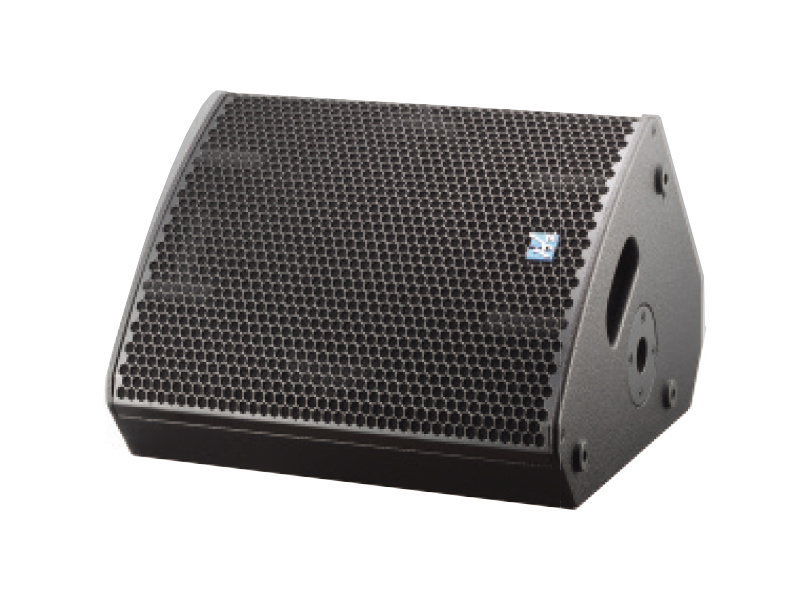
Stage monitors are designed for performers, allowing them to hear themselves and other instruments during a live performance. These speakers are typically angled towards the stage to ensure that sound reaches the performers without interference from the main PA system.
Key Features to Consider
Selecting the right live sound speakers involves understanding key features that influence sound quality and usability.
Power Handling
Power handling refers to the maximum amount of power a speaker can handle without distortion or damage. It's crucial to choose speakers that can accommodate the power output from your amplifier or mixer, ensuring optimal performance during events.
Frequency Response
Frequency response indicates the range of frequencies a speaker can reproduce effectively. A wider frequency response allows for more accurate sound reproduction. For live sound applications, look for speakers with a frequency response that covers both low bass and high treble ranges.
Sensitivity Rating
The sensitivity rating measures how efficiently a speaker converts power into sound. Speakers with higher sensitivity ratings produce louder sound with less power, making them ideal for larger venues where ample volume is required.
Portability
Depending on your specific needs, the portability of your speakers can significantly impact their usability. Consider the weight, design, and whether they include features like wheels or handles for easy transport.
How to Select the Right Live Sound Speakers
Choosing the right speakers for your live sound setup requires careful consideration of several factors.
Assess Your Needs
Identify the primary use for your speakers. Will you be using them mainly for live music, conferences, or DJ events? Understanding your specific needs helps narrow down your options effectively.
Venue Size
Evaluate the size of the venues where you will be performing. Larger spaces may require additional speakers or subwoofers to ensure adequate sound coverage. Conversely, smaller venues may only need compact, portable options.
Budget Considerations
Establish a budget before beginning your speaker selection process. Prices can vary widely based on brand, features, and specifications. Striking a balance between quality and affordability is essential to ensure you get the best value for your investment.
Choosing the Right Size and Power
Size and power are crucial factors that determine the performance of live sound speakers.
Speaker Size
Larger speakers typically offer better bass response and coverage in larger venues, but they can be less portable. Smaller speakers are easier to transport but may struggle to fill larger spaces with sound. Consider your specific needs and the venues where you will perform.
Power Requirements
Calculate the total power output required for your performance. This involves understanding the wattage of your mixer and other equipment. Always choose speakers with a power handling capacity that exceeds your requirements to avoid distortion and damage.
Popular Brands and Models
Familiarizing yourself with reputable brands can simplify the selection process. Here are some popular brands and models in the live sound speaker market:
QSC K Series
Known for their reliability and sound quality, the QSC K Series offers active speakers with a range of sizes and power outputs, catering to various needs.
JBL EON Series
The JBL EON Series is well-regarded for its portable active speakers that deliver excellent sound performance. Their lightweight design makes them especially useful for mobile setups.
Yamaha DXR Series
Yamaha's DXR Series provides high-quality active speakers known for their clarity and robust construction. Ideal for both live performances and installations, they are a solid choice for professionals.
Mackie Thump Series
Mackie's Thump Series offers affordable, powerful speakers that are perfect for DJs and live musicians alike. These speakers are designed for durability, making them great for frequent use.
Setting Up Your Live Sound System
Proper setup is key to achieving optimal sound quality.
Speaker Placement
Position your speakers to ensure even sound coverage throughout the venue. Avoid placing speakers in corners or against walls, as this can create undesirable sound reflections.
Connecting Your Equipment
Use high-quality cables to connect your speakers to the mixer or amplifier. Ensure all connections are secure to prevent sound dropouts or interference during performances.
Maintenance and Care for Live Sound Speakers
To ensure longevity and performance, regular maintenance of your live sound speakers is necessary.
Cleaning and Protection
Keep your speakers clean by wiping them down regularly and avoiding exposure to moisture. Use protective covers when transporting or storing your speakers to prevent physical damage.
Regular Testing
Conduct regular tests of your speakers to identify any issues before live events. This proactive approach helps ensure that your equipment functions as intended during performances.
Frequently Asked Questions
What are the best types of live sound speakers for small venues?
For small venues, full-range active speakers are often the best choice due to their portability and ability to produce sufficient sound without the need for additional equipment.
Do I need a subwoofer for live performances?
While not always necessary, subwoofers can enhance the overall sound quality, especially for genres that rely heavily on bass.
How much power do I need for my speakers?
The required power depends on the size of the venue and the type of events you plan to host. On average, look for speakers that can handle at least 100-300 watts per channel for smaller venues.
Can I use passive speakers without an amplifier?
No, passive speakers require an external amplifier to function. Active speakers, however, come with built-in amplifiers.
What maintenance is required for live sound speakers?
Regular cleaning, ensuring secure connections, and testing for functionality are essential maintenance tasks to keep your speakers in top condition.
Conclusion
Choosing the right live sound speakers is a crucial step in ensuring sound quality for any performance. By understanding the types of speakers available, key features to prioritize, and practical selection tips, you can find the perfect match for your unique needs. With the right speakers in your setup, you can deliver exceptional audio experiences that leave a lasting impression on your audience.

CONTACT
Hzaudio Office Address: 16 st joins ave, mont Albert, Vic 3127, Australia
Hzaudio Lab Address: No. 455, Fuyi Road, Dalong Street, Panyu District, Guangzhou, China
Tel: +86 20-34882578 Cell:+86 18620144731
E-mail: sale@hzaudio.com
Follow Us On Wechat!