

Exploring the Different Types of Stage Monitor Speakers Available: A Comprehensive Guide for Musicians and Sound Engineers
Exploring the Different Types of Stage Monitor Speakers Available Table of Contents 1. Understanding Stage Monitor Speakers 2. The Importance of Choosing the Right Monitor Speakers 3. Types of Stage Monitor Speakers 3.1. Wedge Monitors 3.2. In-Ear Monitors 3.3. Personal Monitor Systems 3.4. Active vs. Passive Monitors 3.5. Stage-Pas Monitors 4. Factors to Consider When Choosing Stage Monitor Speak
Mar 03,2026
Exploring the Different Types of Stage Monitor Speakers Available
Table of Contents
1. Understanding Stage Monitor Speakers
2. The Importance of Choosing the Right Monitor Speakers
3. Types of Stage Monitor Speakers
3.1. Wedge Monitors
3.2. In-Ear Monitors
3.3. Personal Monitor Systems
3.4. Active vs. Passive Monitors
3.5. Stage-Pas Monitors
4. Factors to Consider When Choosing Stage Monitor Speakers
5. Best Practices for Setting Up Stage Monitors
6. Common Issues with Stage Monitors and How to Troubleshoot
7. Top Brands and Models in the Market
8. Frequently Asked Questions (FAQs)
9. Conclusion
1. Understanding Stage Monitor Speakers
Stage monitor speakers are essential tools within the live sound environment, providing performers with the audio feedback they need to deliver a compelling performance. Unlike main speakers, which project sound towards the audience, stage monitors are designed to allow musicians to hear themselves and their bandmates clearly. This auditory feedback is crucial, particularly in loud environments where it can be challenging to maintain pitch, timing, and overall performance quality.
2. The Importance of Choosing the Right Monitor Speakers
Selecting the right stage monitor speakers is vital for optimizing a live performance. The right choice impacts not only the artist's ability to hear themselves but also influences the overall sound quality of the event. A poorly chosen monitor can lead to frustration, reduced performance quality, and even miscommunication among band members. Thus, understanding the different types and features of monitor speakers is essential for achieving a seamless live performance experience.
3. Types of Stage Monitor Speakers
There are several types of stage monitor speakers available, each with its unique features, benefits, and applications. Here, we explore the most common types used in live performances.
3.1. Wedge Monitors
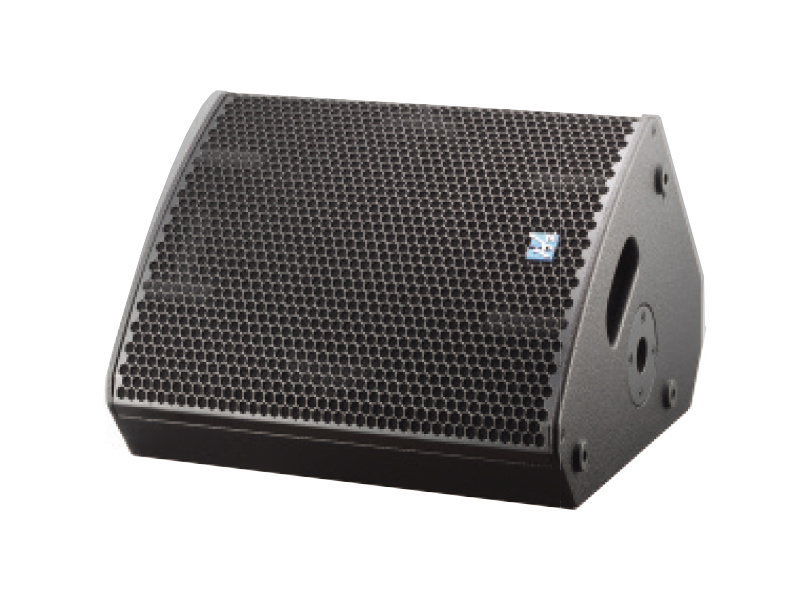
Wedge monitors are the most traditional type of stage monitor speakers. Shaped like a wedge, they are placed on the stage floor angled towards the performers. These speakers are popular among musicians due to their robustness and ability to deliver high sound pressure levels without distortion. They are particularly effective for larger stages where sound needs to reach further distances.
3.2. In-Ear Monitors
In-ear monitors (IEMs) have gained immense popularity in recent years, especially among touring musicians. These compact devices fit directly in the ear, providing a personal listening experience that minimizes ambient noise. IEMs offer a clear, isolated sound that allows performers to hear their mix without interference from stage noise. They are ideal for musicians who need mobility and a clean stage environment.
3.3. Personal Monitor Systems
Personal monitor systems combine the benefits of traditional wedge monitors and in-ear monitors. These systems often include a wireless transmitter and receiver, allowing performers to control their mix independently. This flexibility empowers artists to adjust their audio levels on the fly, ensuring they always have the perfect balance needed for their performance.
3.4. Active vs. Passive Monitors
Understanding the difference between active and passive monitors is crucial when choosing stage monitor speakers. Active monitors come with built-in amplifiers and require a power source, making setup more straightforward and eliminating the need for external power amplifiers. Conversely, passive monitors require separate amplifiers, offering more flexibility in terms of sound customization and equipment choices.
3.5. Stage-Pas Monitors
Stage-Pas monitors are versatile, portable sound systems designed for smaller events, such as solo performances or intimate gatherings. They often come with built-in mixers and battery power options, making them ideal for musicians on the go. Their compact design allows for easy transport and quick setup in various locations.
4. Factors to Consider When Choosing Stage Monitor Speakers
When selecting stage monitor speakers, several factors come into play:
- **Sound Quality**: The clarity and fidelity of the audio, including bass and treble response, are paramount.
- **Power Capacity**: Higher wattage ratings enable monitors to deliver louder sound levels without distortion.
- **Size and Portability**: Consider the size of the monitor for stage space and ease of transport.
- **Durability**: Stage monitors should withstand the rigors of live performance, including transport and setup.
- **Budget**: Assess the available budget while considering the best options within that price range.
5. Best Practices for Setting Up Stage Monitors
Proper setup of stage monitors can significantly influence the performance experience. Here are some best practices:
- **Positioning**: Place monitors at an angle that directs sound towards the performers without creating feedback loops.
- **Mixing**: Ensure that the right mix of instruments and vocals is sent to the monitors, tailored to each musician's preferences.
- **Testing**: Conduct sound checks to adjust levels and ensure clarity before the performance begins.
- **Monitoring Levels**: Encourage performers to communicate their needs during the performance to adjust levels as necessary.
6. Common Issues with Stage Monitors and How to Troubleshoot
Even with the best setup, issues can arise. Here are common problems and their solutions:
- **Feedback**: This occurs when sound from the monitor is picked up by the microphone. Adjust the monitor's position or lower the volume.
- **Distortion**: If the sound is distorted, check for signal clipping and adjust levels accordingly.
- **Inadequate Sound**: If performers can’t hear adequately, ensure the monitor's power levels are sufficient and consider adjusting the mix.
- **Connectivity Issues**: Regularly check cables and connections to prevent sound dropouts.
7. Top Brands and Models in the Market
Several brands are renowned for their quality stage monitor speakers. Here are some top contenders:
- **Yamaha**: Known for their reliable and high-quality sound systems, Yamaha offers a range of models suitable for all performance types.
- **Shure**: With their cutting-edge in-ear monitors, Shure is the choice for many professional musicians.
- **QSC**: This brand is known for their powerful and durable monitors that excel in live performance scenarios.
- **Mackie**: Offering affordable yet quality options, Mackie monitors are perfect for smaller gigs and emerging artists.
- **JBL**: Renowned for their sound clarity and power, JBL monitors are a staple in the live sound industry.
8. Frequently Asked Questions (FAQs)
1. What is the best type of stage monitor for a live band?
The best type often depends on the band's needs. A combination of wedge monitors and in-ear monitors can provide flexibility and clarity.
2. How do I prevent feedback from my stage monitors?
To prevent feedback, position the monitors correctly, avoid pointing microphones towards them, and adjust levels as necessary.
3. Can I use passive monitors without an external amplifier?
No, passive monitors require an external amplifier to power them. Active monitors have built-in amplifiers.
4. What is the advantage of in-ear monitors compared to wedge monitors?
In-ear monitors provide a more isolated listening experience, reducing stage noise and allowing for a clearer mix.
5. How can I improve the sound quality of my stage monitor setup?
Regularly conduct sound checks, ensure proper positioning, and use high-quality cables to minimize interference and distortion.
9. Conclusion
Selecting the right stage monitor speakers is crucial for any live performance. With various options available, from traditional wedge monitors to modern in-ear systems, understanding the unique benefits and features of each type can significantly enhance the overall performance experience. By carefully considering your needs, testing setups, and staying informed about the latest technology, you can ensure that your sound remains clear, powerful, and perfectly tailored to every performer on stage.

CONTACT
Hzaudio Office Address: 16 st joins ave, mont Albert, Vic 3127, Australia
Hzaudio Lab Address: No. 455, Fuyi Road, Dalong Street, Panyu District, Guangzhou, China
Tel: +86 20-34882578 Cell:+86 18620144731
E-mail: sale@hzaudio.com
Follow Us On Wechat!