

Unlock the Full Potential of Your Home Theater with the Right Speakers
When designing a home theater, one of the most critical components that can significantly affect your audio experience is the choice of speakers. Home theater speakers come in various types, configurations, and price ranges, making it essential to understand their features and how they can elevate your entertainment system. 1. **Understanding Speaker Types**: Home theater speakers generally fall i
Mar 04,2026
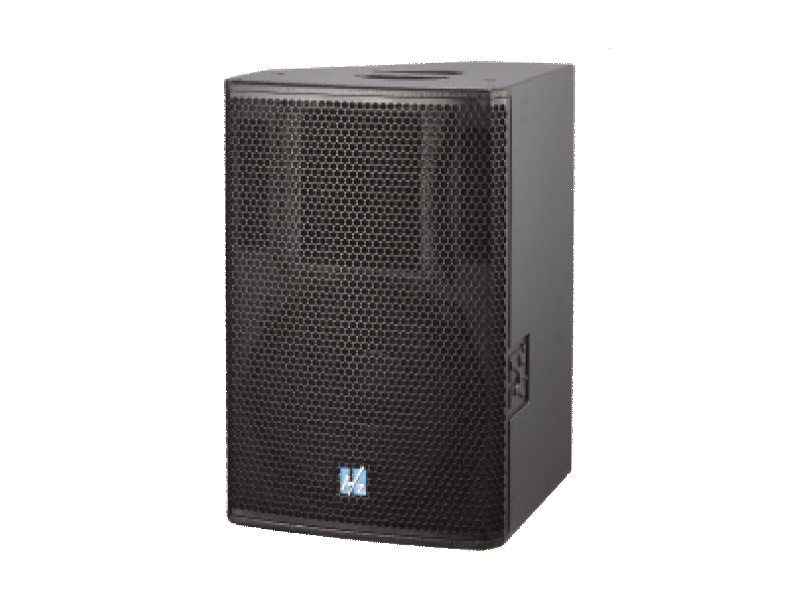
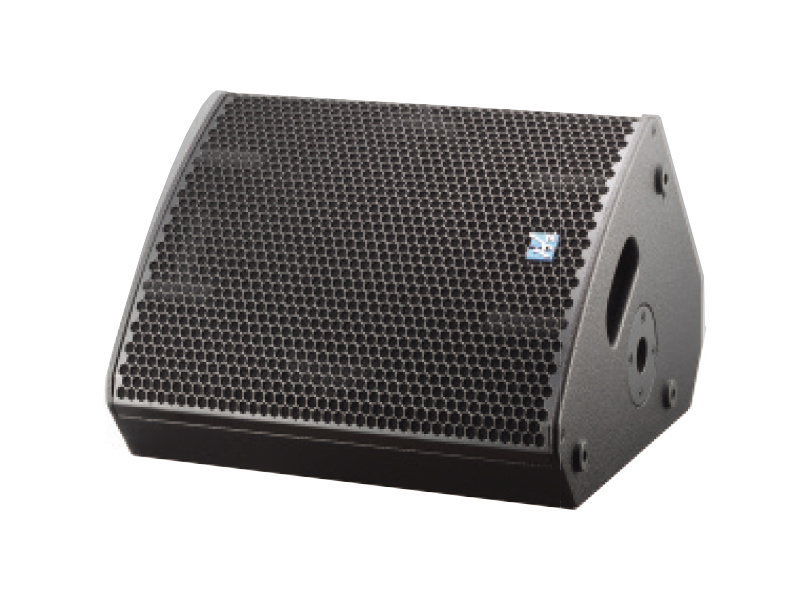
1. **Understanding Speaker Types**: Home theater speakers generally fall into several categories: floor-standing, bookshelf, center-channel, subwoofers, and in-wall speakers. Floor-standing speakers are larger and provide robust sound, making them ideal for music and movie playback. Bookshelf speakers are more compact and can be placed on shelves or mounts, offering flexibility without compromising sound quality. The center-channel speaker is crucial for dialogue clarity in movies, while subwoofers enhance low-frequency sounds, adding depth to your audio experience. In-wall speakers save space and can be discreetly integrated into your home decor.
2. **Speaker Configuration**: A typical home theater setup includes a 5.1 or 7.1 channel configuration. The first number represents the number of speakers (left, right, and surround), while the second refers to the number of subwoofers. For a more immersive experience, consider a 7.1 setup that adds rear surround speakers, providing a more enveloping sound environment.
3. **Room Acoustics**: The acoustics of your room significantly influence sound quality. Factors such as room size, shape, and the materials of walls and furniture can affect how sound travels. Consider using acoustic panels to absorb sound reflections and improve clarity. Experimenting with speaker placement can also enhance audio performance.
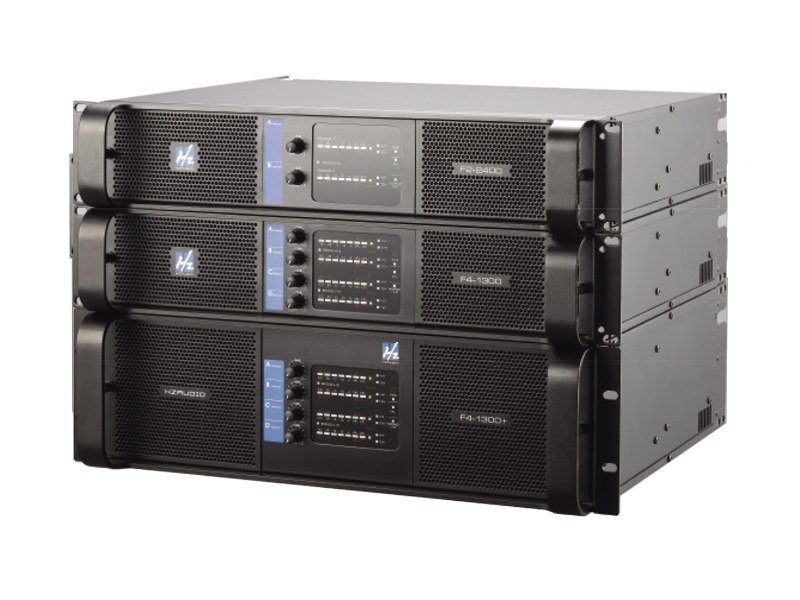
4. **Compatibility and Power Rating**: Ensure that your speakers are compatible with your AV receiver. Check the power ratings (measured in watts) to match speakers with your amplifier's capabilities for optimal performance. Underpowering or overpowering speakers can lead to distortion or damage.
5. **Listening Tests and Reviews**: When selecting home theater speakers, it’s advisable to conduct listening tests. Visit showrooms to experience different models and pay attention to sound clarity, bass response, and overall balance. Reading reviews and expert recommendations can also provide valuable insights into performance and reliability.
6. **Budget Considerations**: While it's tempting to go for high-end products, it's essential to find a balance between quality and your budget. There are many options available that offer excellent sound quality without breaking the bank.
In conclusion, choosing the right home theater speakers is fundamental to creating an enjoyable and immersive viewing experience. By understanding the types of speakers, their configurations, and considering your room's acoustics, you can make informed decisions that enhance your home entertainment system. Prioritize listening tests and compatibility to ensure your setup meets your audio expectations.

CONTACT
Hzaudio Office Address: 16 st joins ave, mont Albert, Vic 3127, Australia
Hzaudio Lab Address: No. 455, Fuyi Road, Dalong Street, Panyu District, Guangzhou, China
Tel: +86 20-34882578 Cell:+86 18620144731
E-mail: sale@hzaudio.com
Follow Us On Wechat!