

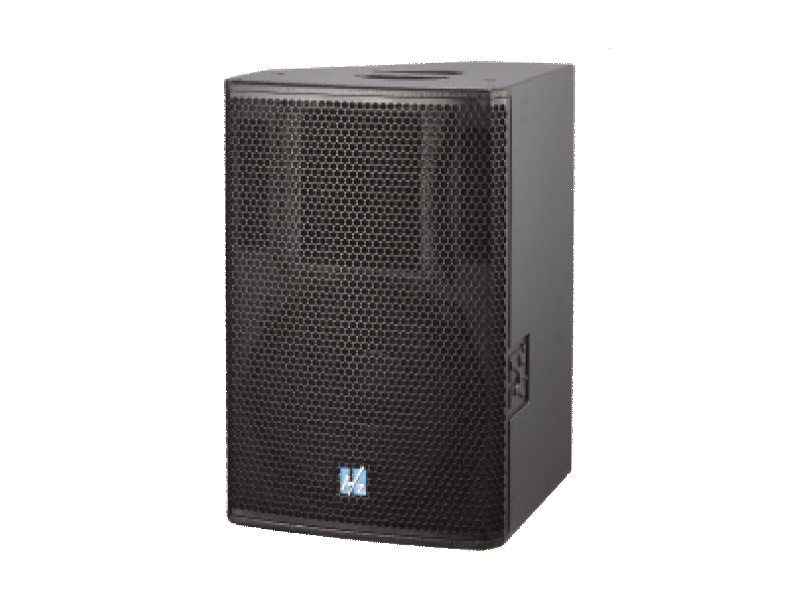
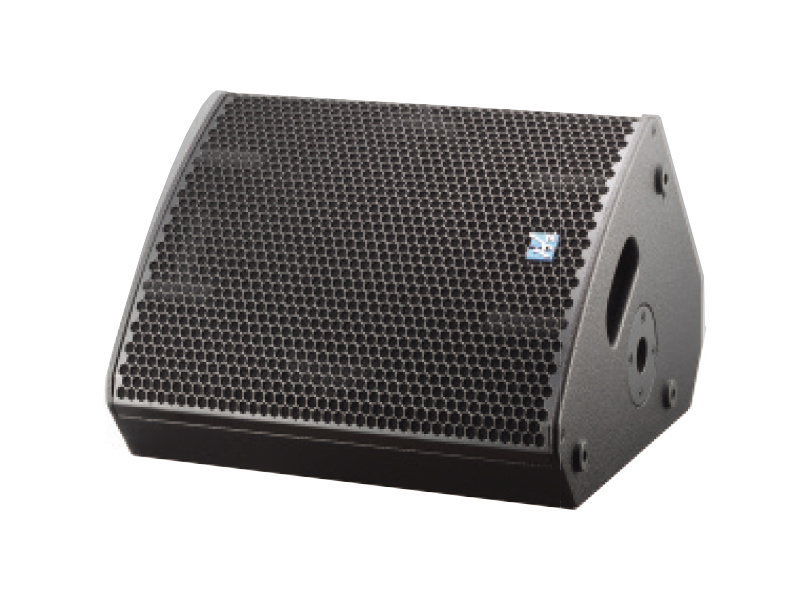
Maximize Your Audio Experience with Quality Active Monitor Speakers
Maximize Your Audio Experience with Quality Active Monitor Speakers Table of Contents Understanding Active Monitor Speakers Benefits of Active Monitor Speakers How to Choose Active Monitor Speakers Key Features to Look For in Active Monitor Speakers Setting Up Your Active Monitor Speakers Maintenance and Care for Active Monitor Speakers Common Mistakes to Avoid with Active Monitor S
Mar 05,2026
Maximize Your Audio Experience with Quality Active Monitor Speakers
Table of Contents
- Understanding Active Monitor Speakers
- Benefits of Active Monitor Speakers
- How to Choose Active Monitor Speakers
- Key Features to Look For in Active Monitor Speakers
- Setting Up Your Active Monitor Speakers
- Maintenance and Care for Active Monitor Speakers
- Common Mistakes to Avoid with Active Monitor Speakers
- Frequently Asked Questions
Understanding Active Monitor Speakers
Active monitor speakers are crucial tools for anyone serious about sound quality. Unlike passive speakers that require an external amplifier, active monitors contain built-in amplifiers tailored for optimal performance. This design allows for better sound quality, control over audio output, and simplicity in setup.
These speakers are widely used in studios, home theaters, and by audiophiles who demand precision and clarity from their audio equipment. With a focus on flat frequency response, active monitors deliver a more accurate representation of sound, making them ideal for mixing and mastering music.
Benefits of Active Monitor Speakers
Active monitor speakers come with a myriad of advantages that enhance your audio experience. Below are some of the most significant benefits:
1. Superior Sound Quality
Active monitor speakers provide a clean and accurate sound reproduction. Their built-in amplifiers are optimized for the specific drivers, meaning you receive a sound profile that closely matches the original recording.
2. Easy Setup and Integration
With everything you need integrated into one unit, setting up active monitor speakers is straightforward. This user-friendly feature makes them suitable for both novices and experienced users.
3. Adjustable Settings
Many active monitors come equipped with EQ settings that allow you to customize the sound to your preferences. This flexibility helps you tailor the audio experience to suit different environments and genres.
4. Cost-Effective Solution
Investing in active monitors can be more economical than purchasing separate components. They eliminate the need for external amplifiers while providing high-quality sound performance.
5. Versatility
Active monitor speakers are versatile and can be used in various settings, from home studios and gaming setups to casual listening spaces. Their adaptability makes them a go-to choice for many audio applications.
How to Choose Active Monitor Speakers
Selecting the right active monitor speakers can seem overwhelming due to the variety of options available. By considering a few key factors, you can ensure that you make the best choice for your needs.
1. Determine Your Purpose
Understanding how you plan to use the speakers is essential. Are they for professional audio work, casual listening, or gaming? Identifying your primary use will guide your choice.
2. Room Size and Acoustics
The dimensions of your room play a critical role in speaker selection. Larger spaces may require more powerful models, while smaller rooms might benefit from compact designs. Additionally, consider the room’s acoustics and how that will affect sound.
3. Budget
Set a budget before shopping. Active monitors range in price, and knowing your limits will help you avoid overspending while still finding a quality product.
4. Brand Reputation
Research reputable brands known for their audio equipment. Brands such as Yamaha, KRK, and JBL have established themselves as leaders in the industry, often delivering products that meet high standards.
5. Read Reviews and Comparisons
Take the time to read customer reviews and expert opinions. Comparing models will give you insight into performance, reliability, and overall user satisfaction.
Key Features to Look For in Active Monitor Speakers
When selecting active monitor speakers, several features can significantly impact your audio experience. Knowing what to look for can elevate your choice.
1. Frequency Response
A wider frequency response range allows for better reproduction of both low and high frequencies. Look for models that offer a balanced output across various frequencies.
2. Power Output
The power output of the speakers will determine how loud they can get without distortion. Consider your space and how much power you'll need for optimal sound.
3. Connectivity Options
Ensure the speakers have multiple connectivity options such as XLR, TRS, or RCA inputs. This versatility allows for easy integration with other audio equipment.
4. Built-in EQ and Controls
As mentioned, the ability to adjust EQ settings gives you more control over your sound. Look for models that include user-friendly controls for these adjustments.
5. Portability
If you plan on moving your monitors frequently, consider their weight and size. Compact models are easier to transport without sacrificing sound quality.
Setting Up Your Active Monitor Speakers
The setup process for active monitor speakers is crucial for achieving the best possible sound quality. Here’s how to do it effectively:
1. Positioning the Speakers
Place your speakers at ear level and equidistant from your listening position. A triangle formation, where the speakers and listener form a triangle, often provides the best soundstage.
2. Use Isolation Pads
To minimize vibrations and improve sound clarity, use isolation pads under your speakers. This step helps in reducing unwanted resonance and enhances audio fidelity.
3. Connect Properly
Use quality cables and connectors to ensure a stable connection. Avoid using low-quality cables, as they can detract from audio performance.
4. Adjust Settings
Once set up, adjust the EQ settings based on your environment. Experiment with different settings to find the perfect sound for your space.
Maintenance and Care for Active Monitor Speakers
Maintaining your active monitor speakers will prolong their lifespan and ensure consistent performance.
1. Keep Them Clean
Regularly dust the speakers and remove any debris that may accumulate. Use a soft cloth for cleaning to avoid scratching the surface.
2. Check Connections
Periodically inspect cables and connections for wear. Loose or damaged connections can lead to audio issues.
3. Store Properly
If you need to store your speakers, keep them in a cool, dry place, and cover them to protect against dust and moisture.
4. Avoid Overdriving
Be mindful not to push the speakers to their limits for extended periods. Overdriving can cause damage to the drivers and affect sound quality.
Common Mistakes to Avoid with Active Monitor Speakers
Being aware of common pitfalls can enhance your audio experience and prevent disappointment.
1. Neglecting Room Acoustics
Underestimating the impact of room acoustics can lead to poor sound quality. Take the time to assess and adjust your setup based on your room's characteristics.
2. Ignoring Calibration
Failing to calibrate your speakers can lead to an unbalanced sound. Use available tools to measure and adjust your audio output appropriately.
3. Using Inadequate Cables
Invest in good-quality cables. Using inadequate or worn cables can hinder performance and lead to frustrating audio issues.
4. Overplacing Speakers Too Close to Walls
Avoid placing speakers too close to walls, as this can affect sound quality and lead to unwanted reflections. Maintain sufficient space for optimal sound dispersion.
5. Skipping the Break-in Period
New speakers often benefit from a break-in period. Running them at a moderate volume for a few hours can help the drivers settle and improve sound quality.
Frequently Asked Questions
1. What are the differences between active and passive monitors?
Active monitors have built-in amplifiers, making them easier to set up. Passive monitors require an external amplifier and can offer more customization options for experienced users.
2. Do I need a subwoofer with active monitor speakers?
While many active monitors provide adequate low-end response, a subwoofer can enhance bass performance, especially for genres like electronic music or hip-hop.
3. Can I use active monitor speakers for casual listening?
Absolutely! Active monitor speakers are versatile and can provide an excellent listening experience for casual music enjoyment.
4. How do I know if my speakers are too loud?
If you notice distortion or hear a crackling sound, the speakers may be overdriven. Reduce the volume to avoid potential damage.
5. What’s the lifespan of active monitor speakers?
With proper care and maintenance, active monitor speakers can last for many years, often exceeding a decade.
Conclusion
Investing in quality active monitor speakers can vastly improve your audio experience, whether for professional use or casual enjoyment. By understanding their features, benefits, and the right setup techniques, you can create an immersive sound environment that caters to your specific needs. Remember to consider room acoustics, speaker placement, and maintenance for optimal performance. With the right knowledge and equipment, you will truly maximize your audio experience and enjoy the clarity and depth that high-quality active monitor speakers provide.

CONTACT
Hzaudio Office Address: 16 st joins ave, mont Albert, Vic 3127, Australia
Hzaudio Lab Address: No. 455, Fuyi Road, Dalong Street, Panyu District, Guangzhou, China
Tel: +86 20-34882578 Cell:+86 18620144731
E-mail: sale@hzaudio.com
Follow Us On Wechat!