

Understanding Passive PA Speakers: A Guide for Professionals
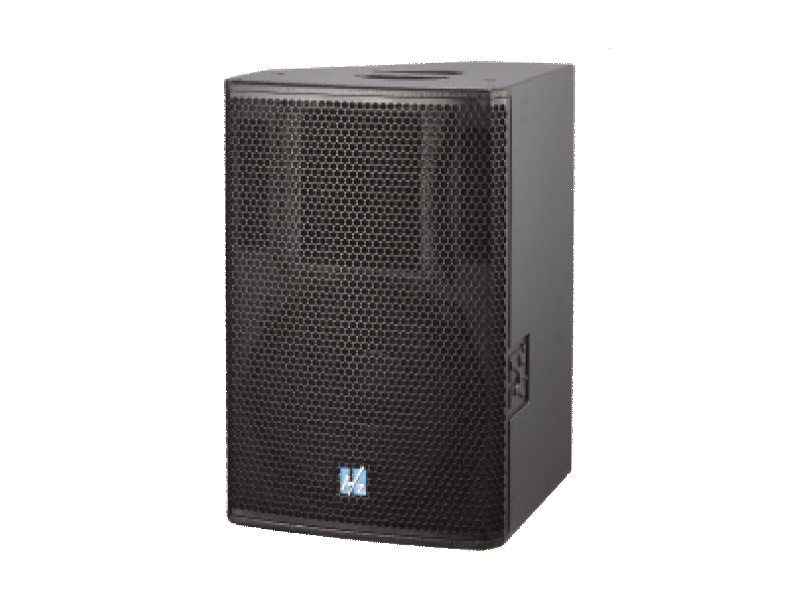
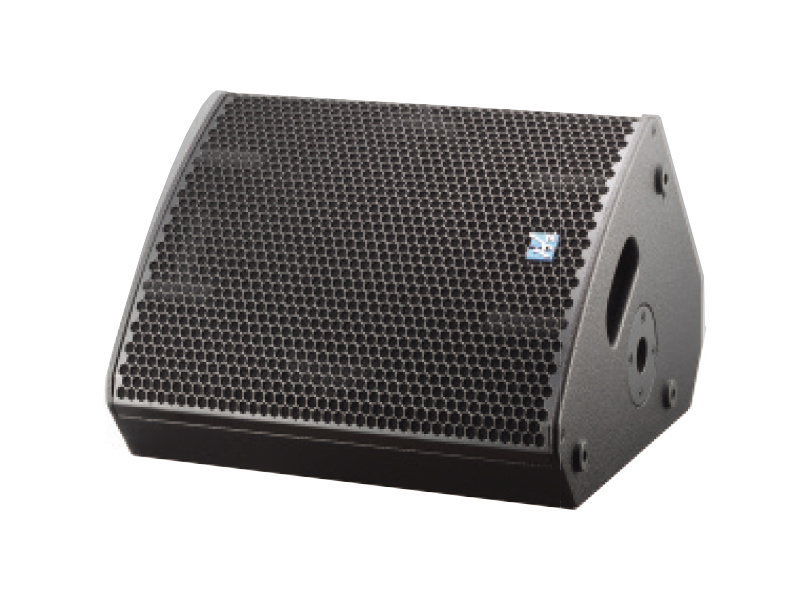
Passive PA speakers have become increasingly popular in various audio applications, offering a unique blend of performance and versatility for sound professionals. Unlike active speakers that contain built-in amplifiers, passive PA speakers require an external amplifier to function. This distinction is crucial for sound reinforcement and system design, as it impacts the overall setup and performan
Mar 12,2026
One of the primary advantages of passive PA speakers is their flexibility. By allowing users to pair different amplifiers with their speakers, professionals can tailor their audio systems to meet specific sound requirements. This adaptability is particularly beneficial in large venues, where varying speaker configurations and amplification levels may be necessary to achieve optimal sound coverage and clarity. Additionally, passive speakers are typically lighter and more portable than their active counterparts, making them an ideal choice for mobile setups.
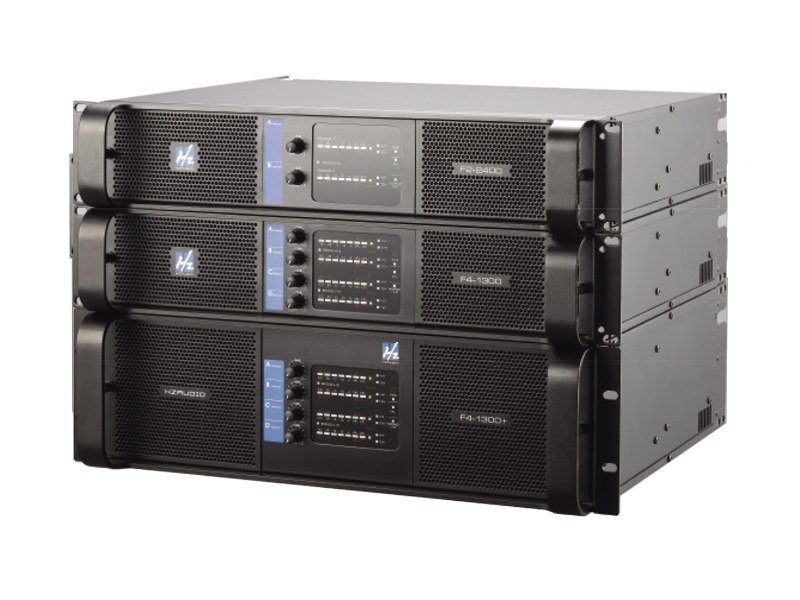
When considering passive PA speakers, it’s important to understand how impedance affects performance. Most passive speakers are rated at either 4 or 8 ohms. Matching the impedance of the speaker with that of the amplifier is essential to ensure efficient power transfer and prevent damage to either component. A mismatch can lead to suboptimal performance and potentially cause amplifier overload, resulting in system failure. Therefore, professionals must carefully select amplifiers that complement their passive PA speakers to achieve the best possible sound quality.
Furthermore, passive PA speakers are generally more cost-effective in setups where multiple speakers are required. Since each speaker does not have its own amplifier, the overall investment can be lower, allowing sound professionals to allocate budget towards higher quality amplifiers or additional audio equipment. This cost efficiency makes passive PA speakers a popular choice for rental companies and touring musicians who need reliable, high-quality sound without overspending.
In terms of installation and connectivity, passive PA speakers typically utilize standard speaker cables, providing a straightforward setup process. This simplicity is advantageous for live sound engineers and event organizers who need to set up and tear down equipment quickly. Additionally, many passive speakers are designed to be compatible with various mounting and rigging options, enhancing their versatility in different performance environments.
In conclusion, passive PA speakers are an essential component of many professional audio systems. Their flexibility, cost-effectiveness, and straightforward setup make them a preferred choice for sound professionals working in diverse environments. Understanding the technical aspects and applications of passive PA speakers enables professionals to make informed decisions that enhance their audio experiences.

CONTACT
Hzaudio Office Address: 16 st joins ave, mont Albert, Vic 3127, Australia
Hzaudio Lab Address: No. 455, Fuyi Road, Dalong Street, Panyu District, Guangzhou, China
Tel: +86 20-34882578 Cell:+86 18620144731
E-mail: sale@hzaudio.com
Follow Us On Wechat!