

Live Sound Speakers and Their Role in Music Festivals: A Comprehensive Guide
Live Sound Speakers and Their Role in Music Festivals Table of Contents 1. Introduction to Live Sound Speakers 2. The Importance of Quality Sound at Festivals 3. Types of Live Sound Speakers 3.1 Passive Speakers 3.2 Active Speakers 3.3 Line Array Speakers 4. Setting Up Live Sound Speakers 4.1 Placement Strategies 4.2 The Importance of Sound
Mar 13,2026
Live Sound Speakers and Their Role in Music Festivals
Table of Contents
- 1. Introduction to Live Sound Speakers
- 2. The Importance of Quality Sound at Festivals
- 3. Types of Live Sound Speakers
- 4. Setting Up Live Sound Speakers
- 5. Current Trends in Live Sound Technology
- 6. Common Challenges with Live Sound at Festivals
- 7. Frequently Asked Questions
- 8. Conclusion
1. Introduction to Live Sound Speakers
Live sound speakers are the unsung heroes of music festivals, transforming performances into immersive audio experiences. As festival-goers gather to enjoy their favorite artists, the quality of sound plays a critical role in shaping their overall experience. In this article, we will explore how live sound speakers function, their types, and their significance in creating exceptional auditory environments at festivals.
2. The Importance of Quality Sound at Festivals
Quality sound is paramount at music festivals. The music's clarity, presence, and fullness not only enhance the enjoyment but also affect the audience's emotional connection to the performance. Properly designed live sound systems can create a seamless auditory experience, allowing every note, beat, and lyric to resonate with the audience.
Moreover, good sound quality helps in managing crowd dynamics. Clear audio can keep the audience engaged and responsive, creating an electric atmosphere that enhances their festival experience. Conversely, poor sound can lead to frustration and dissatisfaction, detracting from the overall enjoyment.
3. Types of Live Sound Speakers
Understanding the different types of live sound speakers is crucial for achieving the best sound quality at music festivals. Each type of speaker has its unique characteristics and applications.
3.1 Passive Speakers
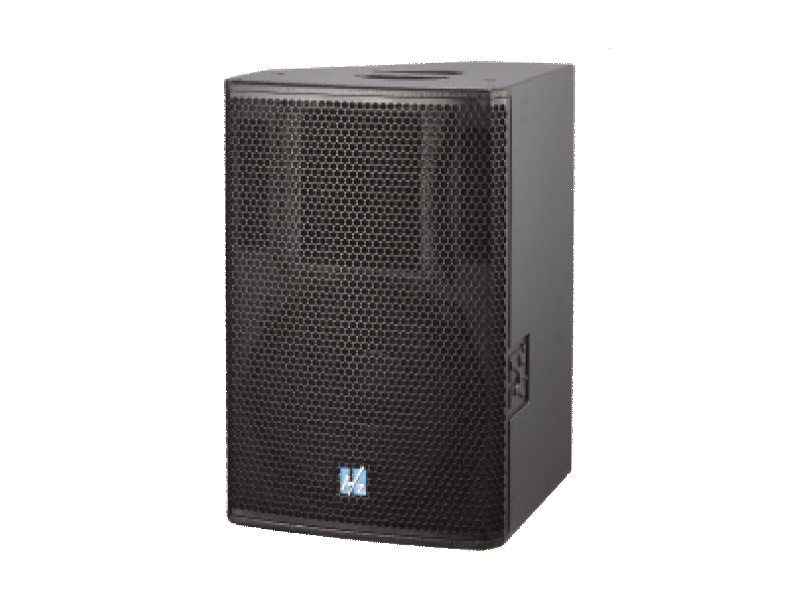
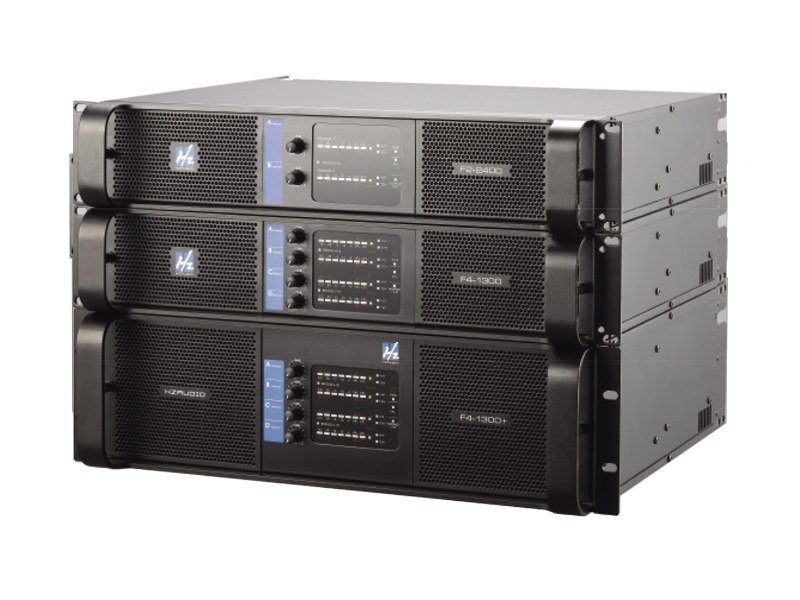
Passive speakers require an external amplifier to function, meaning they do not have built-in power sources. This type of speaker is often preferred by audio professionals for its versatility and ability to work in various configurations. They offer excellent sound quality and can handle higher power levels, making them suitable for large festival stages.
3.2 Active Speakers
Active speakers, on the other hand, come with built-in amplifiers, making them easier to set up and transport. They are ideal for smaller festivals or events where quick setup is essential. Active speakers simplify the sound system by eliminating the need for external amplifiers, ensuring consistent sound quality without the added complexity.
3.3 Line Array Speakers
Line array speakers are designed for large venues and outdoor festivals. They consist of multiple speaker cabinets arranged vertically, allowing for even sound distribution across vast areas. This design minimizes sound loss and ensures that the audience experiences consistent audio quality, no matter where they are positioned in relation to the stage.
4. Setting Up Live Sound Speakers
A well-thought-out setup can significantly impact sound quality. Several factors come into play when arranging live sound speakers for a festival.
4.1 Placement Strategies
Placement is critical for optimizing sound performance. Speakers should be positioned at appropriate heights and angles to ensure that sound reaches every corner of the audience area. Additionally, the distance between speakers and the audience plays a vital role in sound clarity. Properly spaced speakers help to avoid sound overlaps and phase cancellations, which can distort audio quality.
Utilizing delay speakers—additional speakers placed further back in the audience area—can also enhance the sound experience. These speakers help to synchronize sound waves, allowing for a more cohesive listening experience throughout the venue.
4.2 The Importance of Sound Check
Conducting a thorough sound check is essential before the festival begins. This process allows audio engineers to identify any potential issues and make necessary adjustments. During the sound check, they can evaluate speaker placement, test different sound levels, and ensure that all equipment is functioning correctly.
A sound check also enables engineers to fine-tune the equalization settings, which can significantly enhance the clarity and richness of the audio. By addressing any issues before the audience arrives, organizers can create a high-quality sound experience.
5. Current Trends in Live Sound Technology
As technology advances, so too does the world of live sound. Several trends are shaping how audio is experienced at music festivals.
One significant trend is the increasing use of digital mixers. These devices allow for greater flexibility and control over audio channels, enabling sound engineers to adjust settings in real-time. Digital mixers can facilitate complex audio setups with ease, allowing for a range of effects and adjustments that enhance sound quality.
Another trend is the integration of wireless audio technology. This allows for greater mobility on stage, as performers can move freely without being tethered to cables. Wireless systems also reduce clutter, making the stage cleaner and more visually appealing.
Furthermore, immersive audio formats, such as Dolby Atmos, are beginning to gain traction in live sound. This technology creates a three-dimensional sound experience, adding depth and realism to performances. As more festivals adopt immersive soundscapes, audiences can expect to engage with music in entirely new ways.
6. Common Challenges with Live Sound at Festivals
While live sound speakers play a crucial role in music festivals, several challenges can arise.
One of the primary challenges is managing feedback. Feedback occurs when sound from the speakers is re-amplified through microphones, creating an unpleasant high-pitched noise. To combat this, sound engineers must carefully position microphones and speakers while utilizing audio processing tools to minimize feedback risk.
Another challenge is sound bleed. This happens when sound from one stage interferes with audio from another, especially in multi-stage festivals. Proper sound isolation and strategic speaker placement can help to mitigate this issue, ensuring that each performance’s audio remains distinct.
Weather conditions can also pose challenges for live sound setups. Rain, wind, and extreme temperatures can affect both equipment performance and audience experience. Utilizing weather-resistant equipment and designing setups that can withstand environmental factors are essential for ensuring high-quality sound.
7. Frequently Asked Questions
What are the best types of speakers for outdoor music festivals?
The best speakers for outdoor music festivals include line array speakers, as they provide even sound distribution over large areas. Active speakers can also be effective for smaller setups.
How can I improve sound quality at my festival?
To improve sound quality, ensure proper speaker placement, conduct thorough sound checks, and utilize high-quality audio equipment. Additionally, consider hiring experienced sound engineers to manage the setup.
What role does the sound engineer play at music festivals?
The sound engineer is responsible for managing the audio setup, adjusting levels, and ensuring that all equipment is functioning properly. They play a crucial role in delivering quality sound during performances.
How do I choose the right sound system for my festival?
Choosing the right sound system depends on factors such as the venue size, audience capacity, and type of performances. Evaluate the specific needs of your festival and consult with audio professionals for recommendations.
What are some common mistakes to avoid in live sound setups?
Common mistakes include improper speaker placement, neglecting to conduct sound checks, and using subpar audio equipment. Careful planning and attention to detail can help avoid these pitfalls.
8. Conclusion
Live sound speakers are vital to the success of music festivals, shaping the auditory landscape that defines these events. By understanding the different types of speakers, their placement, and the latest technology trends, festival organizers can create unforgettable musical experiences. Addressing common challenges and prioritizing sound quality ensures that audiences leave with lasting memories, making every performance a celebration of music. As the industry continues to evolve, embracing innovation and best practices will only enhance the magic of live sound at music festivals.

CONTACT
Hzaudio Office Address: 16 st joins ave, mont Albert, Vic 3127, Australia
Hzaudio Lab Address: No. 455, Fuyi Road, Dalong Street, Panyu District, Guangzhou, China
Tel: +86 20-34882578 Cell:+86 18620144731
E-mail: sale@hzaudio.com
Follow Us On Wechat!