

Active Monitor Speakers: A Game-Changer for Sound Engineers
Active Monitor Speakers: A Game-Changer for Sound Engineers Table of Contents 1. Introduction to Active Monitor Speakers 2. The Evolution of Monitoring Solutions 3. What Are Active Monitor Speakers? 4. Advantages of Using Active Monitor Speakers 4.1 Enhanced Sound Accuracy 4.2 Easy Setup and Integration 4.3 Built-in Amplification
Mar 17,2026
Active Monitor Speakers: A Game-Changer for Sound Engineers
Table of Contents
- 1. Introduction to Active Monitor Speakers
- 2. The Evolution of Monitoring Solutions
- 3. What Are Active Monitor Speakers?
- 4. Advantages of Using Active Monitor Speakers
- 5. Key Features to Consider
- 6. Popular Models of Active Monitor Speakers
- 7. How to Choose the Right Active Monitor Speakers
- 8. Frequently Asked Questions
- 9. Conclusion
1. Introduction to Active Monitor Speakers
In the world of sound engineering, the tools used to create, mix, and produce audio are just as crucial as the talent behind them. **Active monitor speakers** have emerged as a pivotal innovation, greatly influencing how audio professionals achieve clarity and precision in their work. This article delves into the transformative impact of active monitor speakers on sound engineering, highlighting their features, advantages, and key considerations for choosing the right set.
2. The Evolution of Monitoring Solutions
Historically, sound engineers relied on passive monitor speakers, which required external amplifiers to function. This setup often complicated workflow, limited versatility, and compromised audio fidelity. The introduction of **active monitor speakers** changed the paradigm by integrating amplification within the speaker itself, offering a more streamlined and efficient solution. This evolution has not only simplified setups but also enhanced the overall quality of sound reproduction.
3. What Are Active Monitor Speakers?
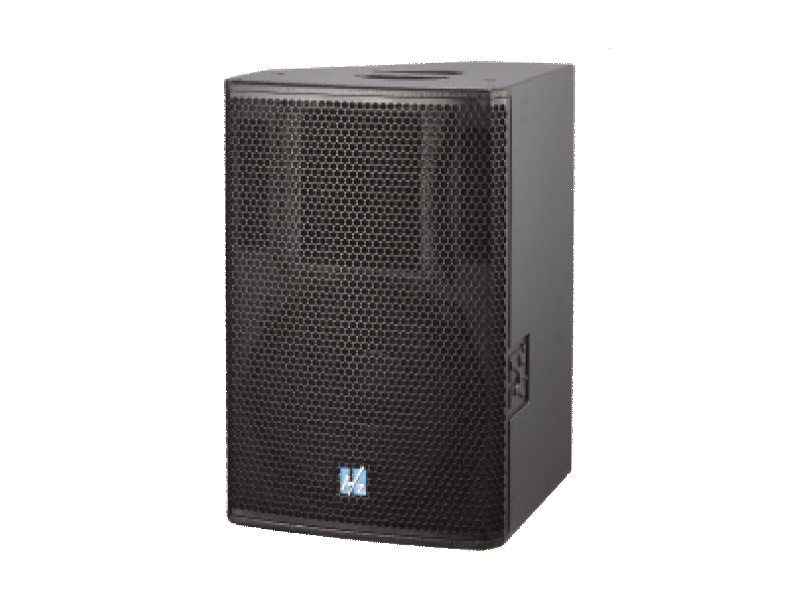
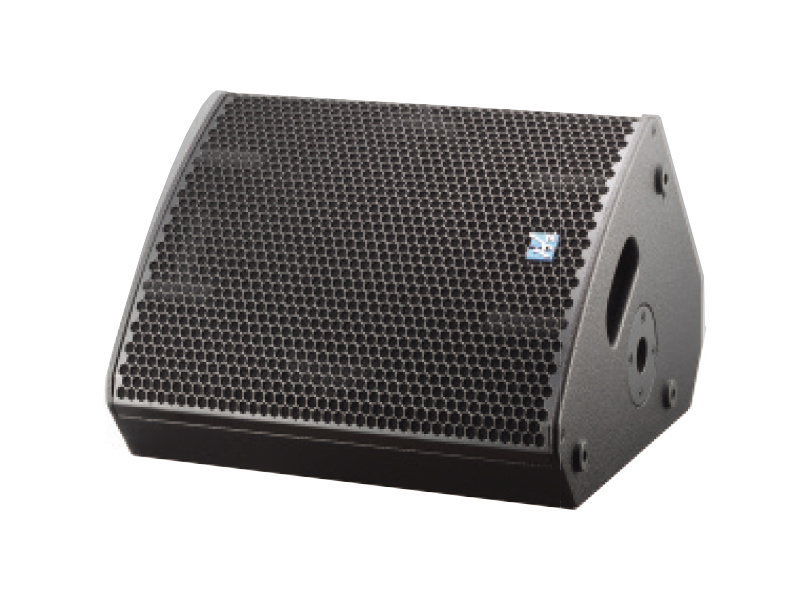
Active monitor speakers are loudspeakers that have built-in amplifiers, making them self-powered. Unlike passive monitors, which need an external amplifier, active monitors offer a level of convenience and sound accuracy that is critical in professional audio applications. They typically feature a design that minimizes noise and distortion, ensuring that sound engineers hear their mixes as accurately as possible.
4. Advantages of Using Active Monitor Speakers
Sound engineers increasingly prefer active monitor speakers for several compelling reasons:
4.1 Enhanced Sound Accuracy
One of the primary benefits of active monitors is their ability to deliver precise sound reproduction. With dedicated amplifiers and high-quality drivers, these speakers provide a clear, detailed sound that is essential for mixing and mastering music. This accuracy allows engineers to make informed decisions about their audio projects, resulting in a polished final product.
4.2 Easy Setup and Integration
Active monitor speakers are designed for quick and straightforward integration into any audio setup. Since they eliminate the need for external amplification, users can simply plug them into an audio interface or mixer, making them ideal for mobile setups or home studios. Their versatility allows sound engineers to focus more on creativity rather than technical hurdles.
4.3 Built-in Amplification
The built-in amplification of active monitor speakers is specially tailored to the speaker's components, ensuring that each driver receives the optimal power it needs for performance. This feature not only simplifies the setup but also enhances the speaker's performance, reducing the risk of distortion even at high volumes.
5. Key Features to Consider
When selecting active monitor speakers, several features should be taken into account to ensure the best choice for your specific needs.
5.1 Driver Technology
Active monitor speakers typically utilize a combination of woofer and tweeter drivers, each designed to handle different frequency ranges. The woofer is responsible for low frequencies, while the tweeter handles the highs. Understanding the driver technology in your monitors can help you choose speakers that best match your audio work's frequency requirements.
5.2 Frequency Response
Frequency response refers to the range of frequencies that a speaker can reproduce. A wider frequency response allows for more accurate sound reproduction, making it vital for sound engineers. When evaluating monitors, look for a flat frequency response, which indicates minimal coloration of the audio signal.
5.3 Room Acoustics
The acoustics of your workspace play a significant role in how sound is perceived. Active monitor speakers often come with features such as room correction technology, which adjusts the sound output based on the room's characteristics. This adaptability allows for a more accurate listening experience, regardless of the environment.
6. Popular Models of Active Monitor Speakers
With numerous options available on the market, several models stand out for their performance and reliability.
6.1 Budget-Friendly Options
For those on a tighter budget, models such as the **KRK Rokit** series and **Yamaha HS** series offer exceptional value. These speakers are known for their durability, sound quality, and user-friendly features, making them perfect for both beginners and seasoned professionals alike.
6.2 High-End Models
At the high end of the spectrum, brands like **Genelec** and **Focal** deliver premium audio performance with advanced features. These monitors cater to serious sound engineers looking for unparalleled accuracy and detail in their mixes, making them a worthwhile investment for professional studios.
7. How to Choose the Right Active Monitor Speakers
Selecting the right active monitor speakers involves evaluating your specific needs, workspace, and budget. Here are some key factors to consider:
1. **Assess Your Listening Environment**: Consider the size and acoustics of your room. Smaller spaces may require monitors with less power, while larger spaces can benefit from more robust systems.
2. **Determine Your Budget**: With a wide range of pricing available, establish a budget that aligns with your needs. Keep in mind that investing in quality speakers can have a significant impact on your audio production.
3. **Test Before You Buy**: If possible, listen to different models before making a decision. Personal preference plays a crucial role in how speakers sound to individual users, so trust your ears.
4. **Read Reviews and Specifications**: Research various models, paying attention to technical specifications and user reviews to make an informed choice.
8. Frequently Asked Questions
1. What is the main difference between active and passive monitors?
Active monitors have built-in amplifiers, while passive monitors require external amplification. This makes active monitors easier to set up and often more accurate in sound reproduction.
2. Can I use active monitor speakers for casual listening?
Yes, active monitor speakers can be used for casual listening, but they are designed primarily for professional audio work, providing a flat response suitable for mixing and mastering.
3. How do I position my active monitor speakers for optimal sound?
Position the monitors at ear level, forming an equilateral triangle with your listening position, and ensure they are not placed directly against walls to minimize reflections.
4. Do I need a subwoofer with active monitor speakers?
While it's not mandatory, a subwoofer can enhance low-frequency response, especially in music genres that rely heavily on bass. However, active monitors with a good low-end response may suffice for most applications.
5. How often should I upgrade my active monitor speakers?
Upgrade frequency depends on advancements in technology, changes in your audio needs, and the condition of your current speakers. If you notice a degradation in sound quality or feel limited by your current setup, it may be time to consider an upgrade.
9. Conclusion
Active monitor speakers are undeniably a **game-changer for sound engineers**, providing enhanced accuracy, ease of setup, and built-in amplification. As technology continues to evolve, these speakers are set to become even more integral to professional audio production. By understanding their features and selecting the right model, sound engineers can significantly elevate their work, ensuring that their mixes resonate with clarity and precision. With the information provided in this guide, we hope you feel empowered to make informed decisions and harness the full potential of active monitor speakers in your audio projects.

CONTACT
Hzaudio Office Address: 16 st joins ave, mont Albert, Vic 3127, Australia
Hzaudio Lab Address: No. 455, Fuyi Road, Dalong Street, Panyu District, Guangzhou, China
Tel: +86 20-34882578 Cell:+86 18620144731
E-mail: sale@hzaudio.com
Follow Us On Wechat!