

Understanding Passive PA Speakers: A Guide to Sound Systems
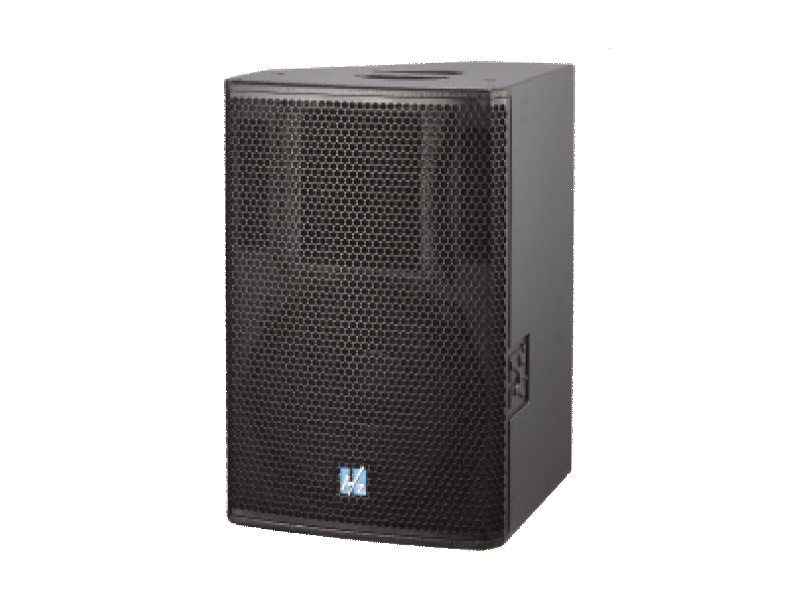
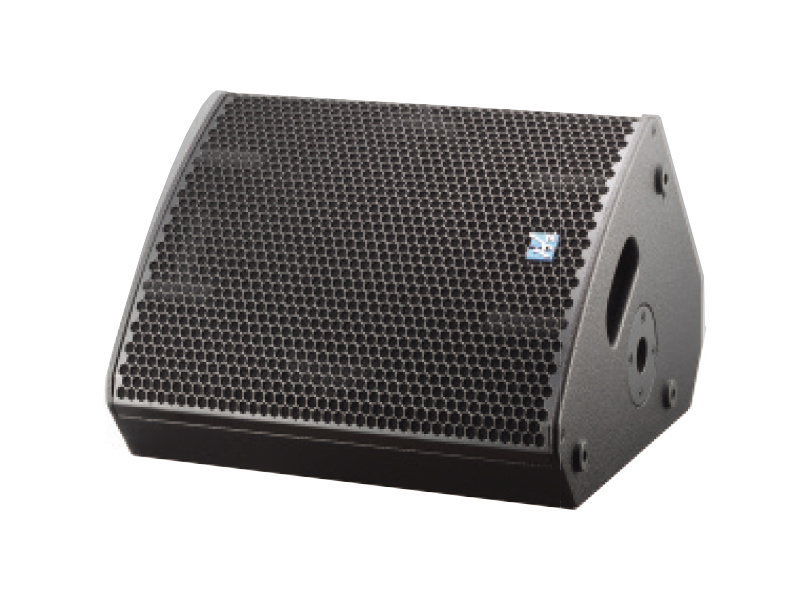
Passive PA speakers are a crucial element in the realm of professional audio equipment, especially when it comes to sound reinforcement systems. Unlike their active counterparts, passive speakers do not have built-in amplification. Instead, they rely on an external amplifier to power them, making them a popular choice for many audio professionals who require flexibility and scalability in their so
Mar 18,2026
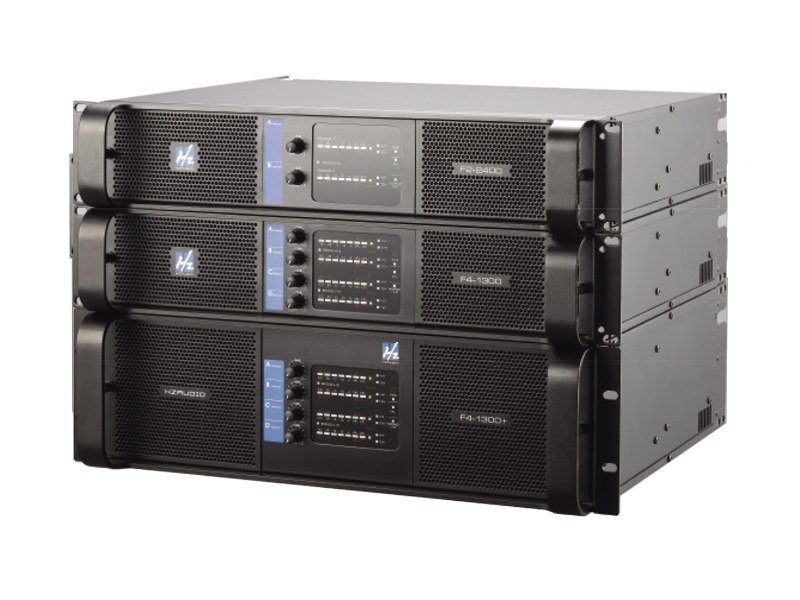
One of the primary advantages of passive PA speakers is their versatility. Because they do not contain internal amplifiers, users can select the amplifier that best suits their specific needs, whether for live sound, playback, or installation purposes. This allows for a more tailored audio experience, as the choice of amplifier can greatly influence the sound quality and output levels. Additionally, passive speakers generally have a wider range of impedance options, making it easier to match them with different amplifiers.
Another significant benefit of passive PA speakers is their ability to handle high power loads. Many models are designed to endure the rigors of live performances and can withstand substantial power without distortion. This durability is essential for professionals who often work in demanding environments, such as concerts and festivals, where sound quality and reliability are paramount.
When it comes to connectivity, passive PA speakers are typically equipped with standard speaker wire inputs, allowing for straightforward integration into various audio setups. This simplicity not only makes installation easier but also provides the flexibility to use different cables and connectors as needed. Moreover, users can choose to daisy-chain multiple speakers together, which can be particularly useful in larger venues where extensive sound coverage is required.
In terms of sound quality, passive PA speakers are designed to deliver excellent performance across a broad frequency range. Many models incorporate advanced driver technologies that ensure clear and precise audio reproduction, making them suitable for a variety of applications, from music performances to public speaking events. The design of the speaker cabinet can also influence sound dispersion, allowing users to achieve the desired audio landscape in any setting.
In conclusion, passive PA speakers offer numerous benefits for those in the professional audio industry, combining flexibility, durability, and exceptional sound quality. Understanding these elements can significantly enhance your audio setup, ensuring that you deliver the best sound experience possible, whether for live events or in-studio recordings. By choosing the right passive PA speakers and pairing them with an appropriate amplifier, you can create a robust and dynamic sound system that meets your specific needs.

CONTACT
Hzaudio Office Address: 16 st joins ave, mont Albert, Vic 3127, Australia
Hzaudio Lab Address: No. 455, Fuyi Road, Dalong Street, Panyu District, Guangzhou, China
Tel: +86 20-34882578 Cell:+86 18620144731
E-mail: sale@hzaudio.com
Follow Us On Wechat!