

Enhancing Your Audio Mix with the Right Live Sound Speakers: A Comprehensive Guide
Enhancing Your Audio Mix with the Right Live Sound Speakers Introduction to Live Sound Speakers and Audio Mixing In the world of live audio, the importance of **high-quality sound speakers** cannot be overstated. When you're performing live or mixing audio for an event, the speakers are your primary tool for delivering sound to your audience. The right **live sound speakers** can significantly enh
Mar 19,2026
Enhancing Your Audio Mix with the Right Live Sound Speakers
Introduction to Live Sound Speakers and Audio Mixing
In the world of live audio, the importance of **high-quality sound speakers** cannot be overstated. When you're performing live or mixing audio for an event, the speakers are your primary tool for delivering sound to your audience. The right **live sound speakers** can significantly enhance your overall audio mix, ensuring that every note, beat, and voice is heard clearly and beautifully. In this guide, we delve deep into the types of speakers available, how to select the right ones, and tips for optimizing your audio mix.
Table of Contents
- Understanding Live Sound Speakers
- Types of Live Sound Speakers
- How to Choose the Right Speakers for Your Needs
- The Role of Speaker Placement in Audio Mixing
- Optimizing Your Speaker Setup for Best Sound Quality
- Common Mistakes to Avoid When Using Live Sound Speakers
- Frequently Asked Questions (FAQs)
- Conclusion
Understanding Live Sound Speakers
**Live sound speakers** are designed to amplify sound for audiences in various environments, from small venues to large concert halls. Understanding their functionality is crucial for anyone involved in audio production. These speakers convert electrical signals into sound waves, allowing performers to deliver their music effectively.
Key characteristics that define **live sound speakers** include:
- **Frequency Response**: The range of frequencies a speaker can reproduce, impacting the clarity of vocals and instruments.
- **Power Handling**: The amount of power a speaker can handle without distortion. This is critical for live performances where audio levels can frequently peak.
- **Sensitivity**: This refers to how effectively a speaker converts power into sound. Higher sensitivity means more sound output for a given power input.
Types of Live Sound Speakers
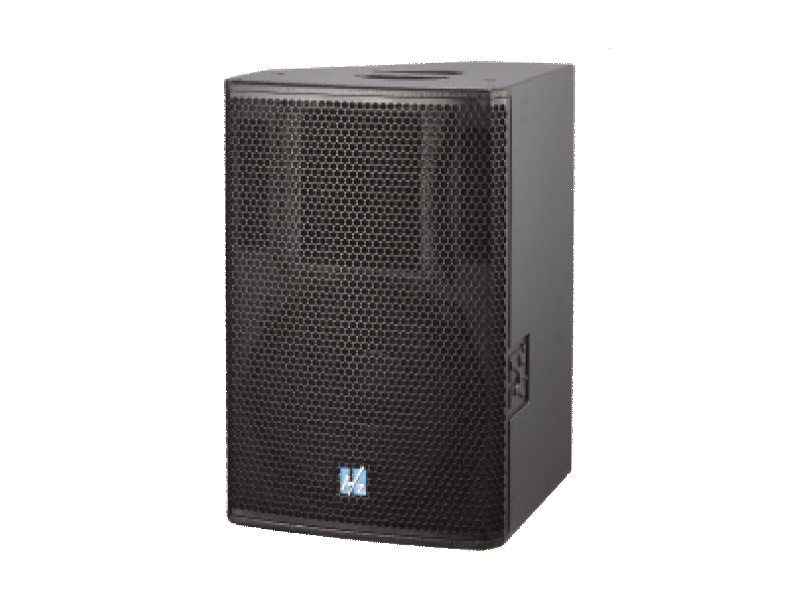
When selecting **live sound speakers**, it's essential to understand the different types available in the market:
1. Passive Speakers
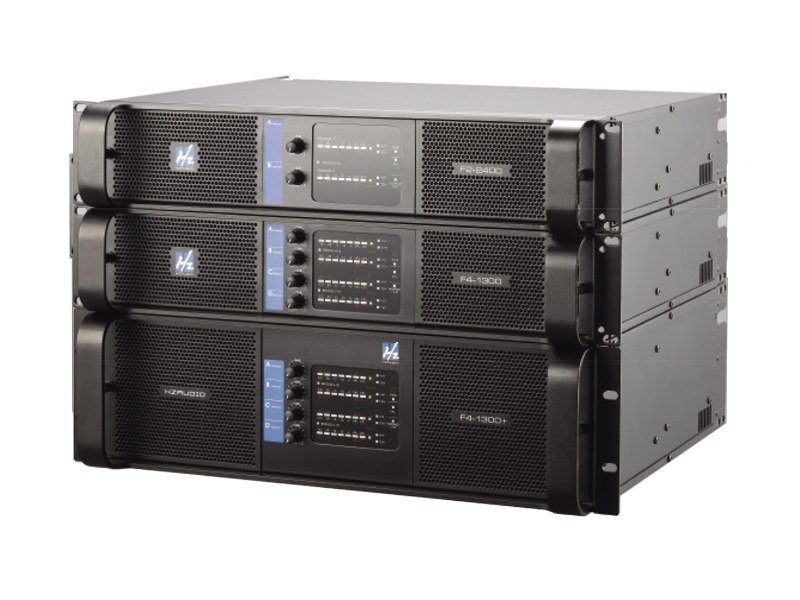
**Passive speakers** require an external amplifier to power them. They offer flexibility in terms of amplification options but require more setup and knowledge to configure correctly.
2. Active Speakers
**Active speakers**, on the other hand, come with built-in amplifiers, simplifying setup. They are ideal for mobile setups and provide excellent sound quality tailored to the speaker's specifications.
3. Monitor Speakers
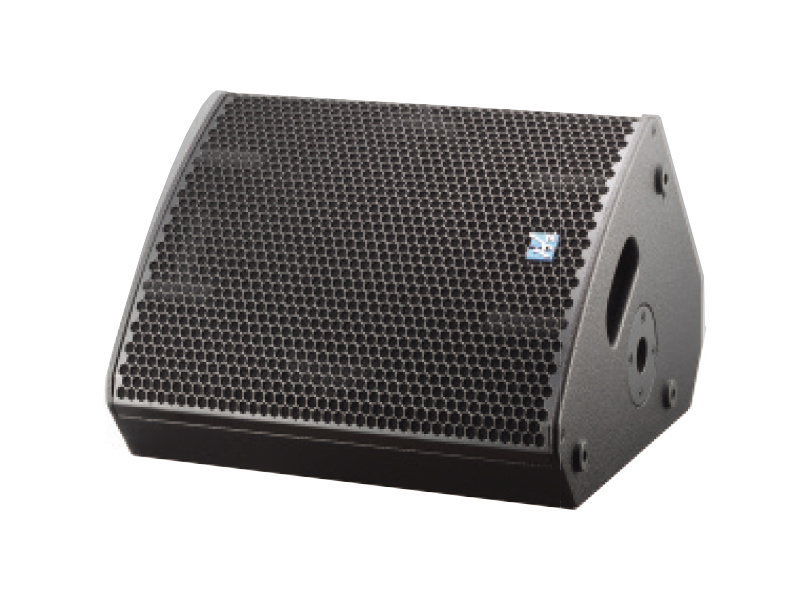
These speakers are designed for performers to hear themselves on stage. They typically have a more tailored frequency response to emphasize vocals and instruments, ensuring that artists can perform at their best.
4. Subwoofers
**Subwoofers** are specialized speakers designed to reproduce low-frequency sounds, enhancing the depth and richness of music. They are essential for genres like electronic or hip-hop where bass plays a significant role.
How to Choose the Right Speakers for Your Needs
Selecting the appropriate **live sound speakers** is vital for achieving high-quality sound. Here are some criteria to consider:
1. Assess Your Venue
The size and acoustics of your venue will influence the type and quantity of speakers you need. Larger venues may require multiple speakers or a combination of sound types to fill the space adequately.
2. Define Your Purpose
Consider whether you need speakers for live performances, rehearsals, or events. Different purposes may require varying speaker types and configurations.
3. Budget Considerations
Quality sound speakers can range in price significantly. Establish a budget that allows you to invest in quality without compromising your other equipment needs.
4. Brand Reputation and Reviews
Research brands that are well-regarded in the audio industry. Reading reviews from other users can provide insights into performance and reliability.
The Role of Speaker Placement in Audio Mixing
Once you've selected the right **live sound speakers**, the next critical step is placement. Proper speaker placement can dramatically affect the sound quality and listening experience.
1. Listening Area Considerations
Position speakers to ensure they cover the entire listening area. Avoid placing them too close to walls or corners, as this can cause unwanted reflections and alter the sound quality.
2. Height and Angle
Speakers should be positioned at ear level or slightly above when the audience is standing. Adjusting the angle towards the audience can improve clarity and focus on the sound.
Optimizing Your Speaker Setup for Best Sound Quality
To get the most out of your **live sound speakers**, consider the following optimization tips:
1. Use EQ Settings Wisely
Equalization (EQ) can help balance frequencies and eliminate any problematic areas. Utilize an equalizer to adjust specific frequency ranges for a clearer sound mix.
2. Monitor Sound Levels
Avoid pushing your speakers to their limits. Constantly monitor sound levels using a sound meter to keep audio within safe limits, preventing distortion and damage.
3. Perform Sound Checks
Always conduct sound checks before a performance to identify any issues in sound quality. This allows for adjustments to be made in real-time, ensuring the best audio experience.
Common Mistakes to Avoid When Using Live Sound Speakers
Avoiding common pitfalls can significantly enhance your audio mixing experience. Here are mistakes to watch out for:
1. Ignoring Speaker Quality
Cutting corners with low-quality speakers can lead to poor sound quality. Invest in speakers that are known for their reliability and performance.
2. Poor Cable Management
Messy cables can not only pose safety hazards but also lead to audio issues. Ensure that all cables are properly managed and secured.
3. Neglecting Audience Feedback
Always pay attention to audience feedback regarding sound quality. If the audience struggles to hear or understand, adjustments may be necessary.
Frequently Asked Questions (FAQs)
1. What is the difference between active and passive speakers?
Active speakers have built-in amplifiers, while passive speakers require external amplification. This makes active speakers easier to set up for beginners.
2. How do I know the right power rating for my speakers?
Power ratings can vary based on the size of the venue and the type of event. As a rule of thumb, aim for speakers with power ratings that match or exceed your amplifier's output.
3. Can I use home speakers for live performances?
Home speakers are generally not designed for live performances and may lack the durability and sound quality required in professional settings.
4. How often should I perform sound checks?
Sound checks should be conducted before every performance to ensure optimal sound quality and to address any potential issues.
5. What are some brands known for quality live sound speakers?
Brands like JBL, QSC, and Yamaha are well-known for their high-quality live sound speakers. Always check user reviews and professional recommendations.
Conclusion
Investing in the right **live sound speakers** is crucial for anyone serious about audio mixing and live performances. By understanding the different types of speakers, knowing how to choose the right ones, and optimizing your setup, you can significantly enhance the audio experience for both performers and audiences alike. Remember, quality sound speakers not only enrich the music but also elevate the overall vibe of any live event.

CONTACT
Hzaudio Office Address: 16 st joins ave, mont Albert, Vic 3127, Australia
Hzaudio Lab Address: No. 455, Fuyi Road, Dalong Street, Panyu District, Guangzhou, China
Tel: +86 20-34882578 Cell:+86 18620144731
E-mail: sale@hzaudio.com
Follow Us On Wechat!