

Understanding Passive PA Speakers: A Comprehensive Guide for Audio Enthusiasts
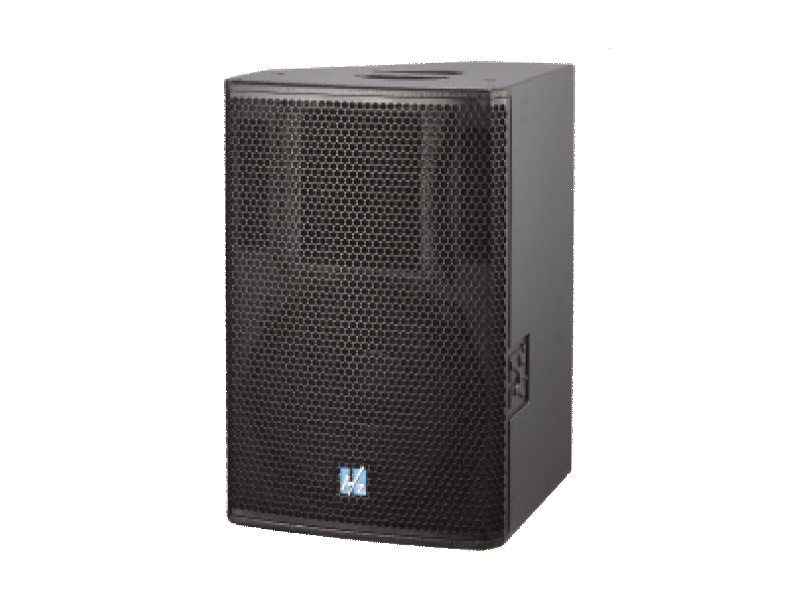
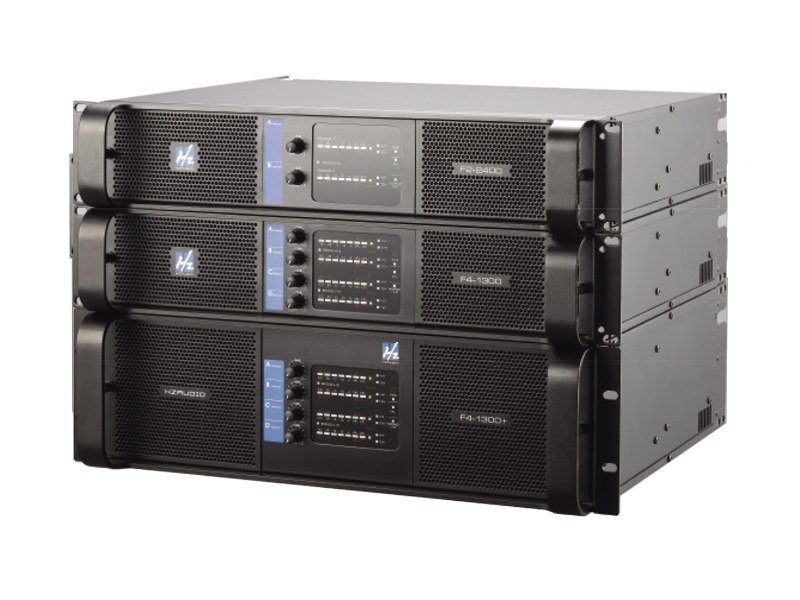
When it comes to setting up a professional audio system, understanding the role of passive PA speakers is essential. Unlike their active counterparts, which have built-in amplifiers, passive PA speakers require an external amplifier to function. This characteristic makes them a popular choice for various audio applications, from concerts to public speaking events. One of the primary advantages of
Aug 01,2026
One of the primary advantages of passive PA speakers is their versatility. They can be tailored to match specific sound requirements by selecting an appropriate amplifier, which allows for greater control over sound quality. This flexibility is particularly beneficial for audio professionals who often work in diverse environments requiring different sound characteristics. For instance, a DJ might choose a more powerful amplifier for a large venue while using a smaller one for an intimate gathering.
Another significant benefit of passive PA speakers is their durability. Generally constructed with robust materials, these speakers are designed to withstand the rigors of frequent transportation and setup, making them ideal for touring musicians and event organizers. Additionally, passive speakers tend to have fewer components that can fail, resulting in a longer lifespan and lower maintenance costs.
When considering passive PA speakers, it's crucial to pay attention to their specifications. Look for the speaker's impedance rating, which should match the amplifier's output. Common impedances for passive speakers include 4, 8, and 16 ohms. Ensuring compatibility between the speaker and amplifier will prevent potential damage and optimize performance.
Another essential specification is the power handling capability, typically measured in watts. This rating indicates how much power a speaker can handle without distortion or damage. Choosing a speaker with appropriate power handling is vital, especially in high-output scenarios such as live performances. Always select speakers that can handle more power than what the amplifier produces to ensure longevity and clarity.
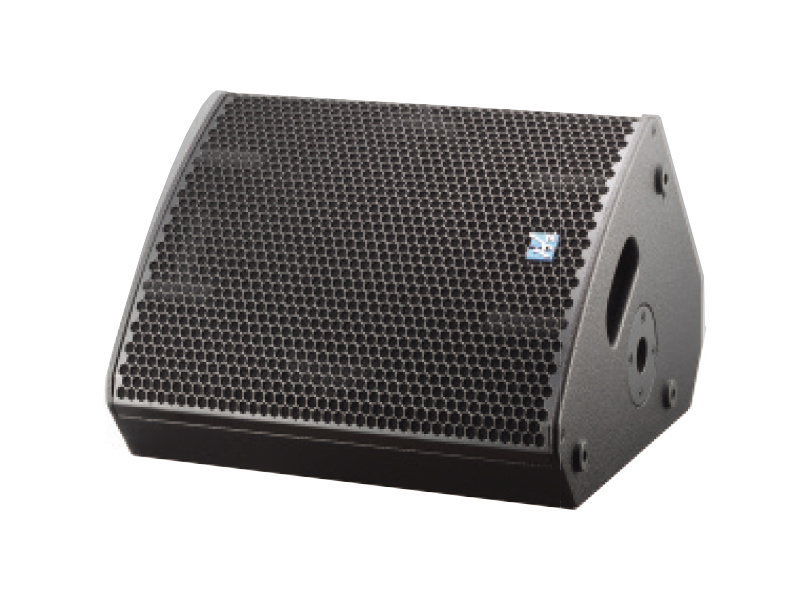
The design and configuration of passive PA speakers should also be considered. Many models feature various drivers, such as woofers and tweeters, to produce a full range of sound. Some configurations allow for different placement options, such as mounting on stands or integration into existing sound systems. Understanding the acoustics of your venue can help determine the best setup for optimal sound projection.
In summary, passive PA speakers are a valuable addition to any audio setup, offering flexibility, durability, and customizability. By carefully considering specifications and compatibility with amplifiers, audio professionals can create exceptional sound experiences tailored to their specific needs. Whether for a concert, event, or personal use, passive PA speakers can significantly enhance the overall audio quality and performance.

CONTACT
Hzaudio Office Address: 16 st joins ave, mont Albert, Vic 3127, Australia
Hzaudio Lab Address: No. 455, Fuyi Road, Dalong Street, Panyu District, Guangzhou, China
Tel: +86 20-34882578 Cell:+86 18620144731
E-mail: sale@hzaudio.com
Follow Us On Wechat!