

Unlocking the Power of Subwoofer Speakers: A Deep Dive into Sound Enhancement
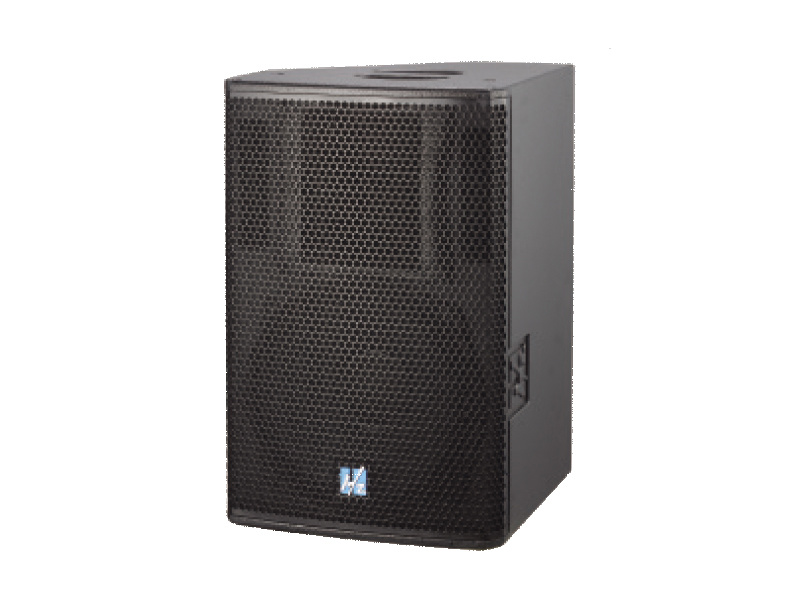
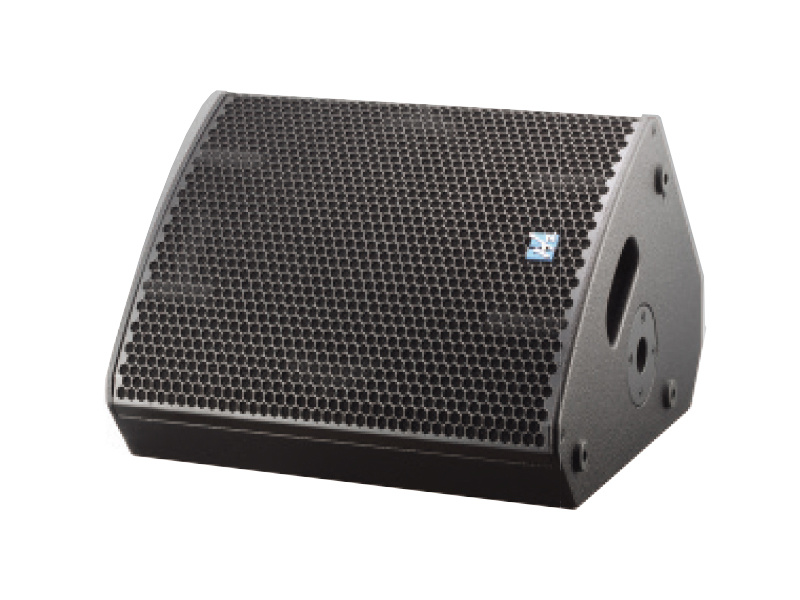
Subwoofer speakers are a vital component in any robust audio system, especially in home theaters, sound systems, and professional audio setups. Unlike traditional speakers that produce a full range of frequencies, subwoofers are specifically designed to reproduce low-frequency sounds, typically ranging from 20 Hz to 200 Hz. This focus on bass frequencies allows them to handle the deep sounds that
Apr 07,2026
When choosing subwoofer speakers, it’s essential to understand the different types available. There are passive subwoofers, which require an external amplifier to power them, and active subwoofers, which come with built-in amplifiers. Active subwoofers are generally easier to set up and can provide more consistent performance since the amplification is specifically matched to the subwoofer’s design.
The enclosure design of subwoofer speakers also plays a crucial role in their performance. Common designs include sealed, ported, and bandpass enclosures. Sealed enclosures provide tight and accurate bass response but may lack the volume that ported designs can achieve. Ported enclosures have a vent or port that allows for enhanced bass output, making them ideal for music genres with significant low-frequency content. Bandpass enclosures combine elements of both sealed and ported designs, offering efficient performance at specific frequencies.
Another key factor to consider is the power handling capability of the subwoofer. This is typically measured in watts and indicates how much power the subwoofer can handle before distortion occurs. A subwoofer with a higher wattage rating can produce louder sounds without compromising audio quality. However, it’s important to pair a high-powered subwoofer with an appropriate amplifier to ensure optimal performance.
Room acoustics also significantly affect the performance of subwoofer speakers. The size and shape of the room, along with the placement of the subwoofer, can greatly influence how bass sounds. For instance, placing a subwoofer in a corner can enhance its output due to the reinforcement of sound waves, but this may also lead to muddiness if not managed correctly. Experimenting with different placements and listening positions can help achieve the best sound quality.
In conclusion, subwoofer speakers are essential for anyone looking to enrich their audio experience with powerful low frequencies. Understanding the different types, enclosure designs, and room acoustics can help you make informed decisions when integrating subwoofers into your audio system. By focusing on these aspects, you can ensure that your audio setup delivers the dynamic and immersive sound quality that enhances your listening experience.

CONTACT
Hzaudio Office Address: 16 st joins ave, mont Albert, Vic 3127, Australia
Hzaudio Lab Address: No. 455, Fuyi Road, Dalong Street, Panyu District, Guangzhou, China
Tel: +86 20-34882578 Cell:+86 18620144731
E-mail: sale@hzaudio.com
Follow Us On Wechat!