

Stage Monitor Speakers vs. Traditional Speakers: What’s the Difference?
Stage Monitor Speakers vs. Traditional Speakers: What’s the Difference? When it comes to audio performance, particularly in live settings such as concerts, theater productions, and other events, the choice of speakers is crucial. Two main types of speakers dominate the landscape: **stage monitor speakers** and **traditional speakers**. While both serve the purpose of amplifying sound, they cater t
Apr 08,2026
Stage Monitor Speakers vs. Traditional Speakers: What’s the Difference?
When it comes to audio performance, particularly in live settings such as concerts, theater productions, and other events, the choice of speakers is crucial. Two main types of speakers dominate the landscape: **stage monitor speakers** and **traditional speakers**. While both serve the purpose of amplifying sound, they cater to different needs and environments. This article will delve into the differences, features, and ideal use cases for each, ensuring you have a clear understanding to make the right choice for your audio requirements.
Table of Contents
- 1. Understanding Stage Monitor Speakers
- 2. Understanding Traditional Speakers
- 3. Key Differences Between Stage Monitor Speakers and Traditional Speakers
- 4. Advantages of Stage Monitor Speakers
- 5. Advantages of Traditional Speakers
- 6. Ideal Use Cases for Stage Monitor Speakers
- 7. Ideal Use Cases for Traditional Speakers
- 8. Common Misconceptions
- 9. Frequently Asked Questions
- 10. Conclusion
1. Understanding Stage Monitor Speakers
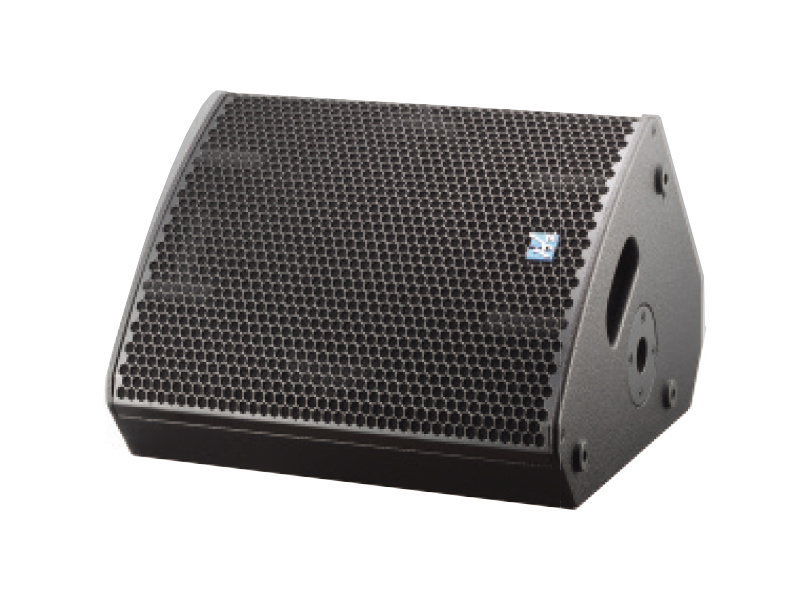
Stage monitor speakers, often referred to as **monitors**, are specifically designed for live performances. Their primary function is to provide sound reinforcement for musicians and performers on stage, allowing them to hear themselves and each other clearly while delivering a performance. Unlike traditional speakers, which are often positioned in front of the audience, monitor speakers are usually placed on the stage itself, angled towards the performers.
Key Features of Stage Monitor Speakers
- Directional Sound: Monitors deliver sound directly to the performer, minimizing sound bleed into the audience.
- Compact Design: They are often smaller and more portable, designed for easy setup and transport.
- High SPL Capability: Monitors can achieve high sound pressure levels without distortion, a crucial requirement for live performances.
- Customizable EQ: Many monitor speakers come with adjustable equalizers, allowing performers to fine-tune their sound.
2. Understanding Traditional Speakers
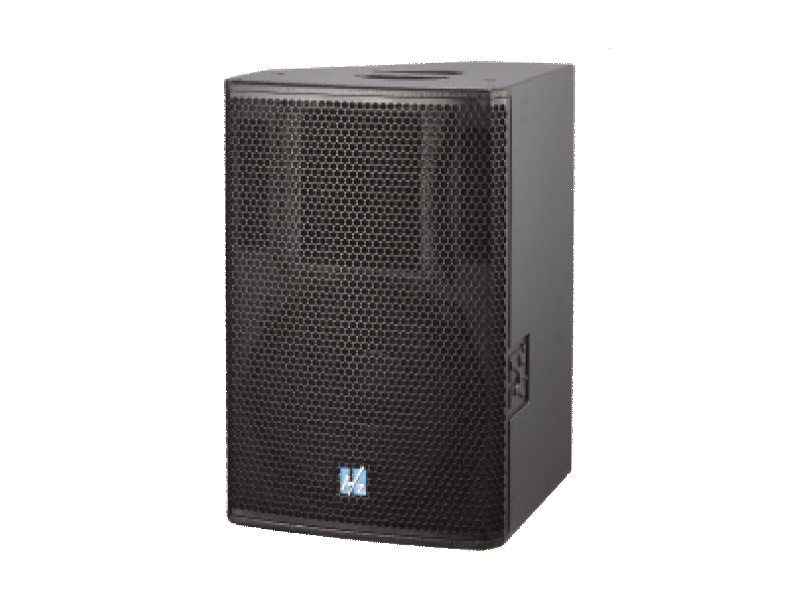
Traditional speakers are the common audio devices used in various settings, from home theaters to public venues. These speakers aim to provide high-quality sound to an audience rather than the performers. They are designed for wider sound dispersion, filling a room with sound rather than targeting individual performers.
Key Features of Traditional Speakers
- Wider Dispersion: Traditional speakers spread sound more broadly, making them ideal for filling larger spaces.
- Subwoofer Compatibility: Many traditional speaker systems include subwoofers that enhance low-frequency sounds, providing a fuller audio experience.
- Variety of Sizes: These speakers come in various sizes, from compact bookshelf speakers to large floor-standing models.
- Versatile Applications: Traditional speakers are suitable for various environments, including home audio systems, theaters, and outdoor events.
3. Key Differences Between Stage Monitor Speakers and Traditional Speakers
Understanding the differences between stage monitor speakers and traditional speakers is essential for making informed choices that meet your audio needs. Here are the key distinctions:
1. Purpose
Stage monitor speakers are designed to provide sound to performers, ensuring they can hear themselves and the music clearly. In contrast, traditional speakers aim to deliver sound to an audience, focusing on wide sound coverage and overall sound quality.
2. Design and Placement
Monitors are typically compact and often placed on the stage floor or mounted on stands, angled up towards the performers. Traditional speakers are set up facing the audience and are often larger, designed to fill the venue with sound.
3. Sound Quality and EQ
Monitors are engineered for clarity and precision, allowing performers to hear subtle details. Traditional speakers prioritize a balanced sound experience, often including subwoofers to enhance low frequencies.
4. Feedback Control
Minimizing feedback is crucial for monitors due to their proximity to microphones. They are designed to operate at high volumes with minimal feedback risk. Traditional speakers, while also needing to manage feedback, do not face the same challenges as they are positioned away from microphones.
4. Advantages of Stage Monitor Speakers
Using stage monitor speakers comes with various benefits that make them essential in live performance environments:
Enhanced Performer Experience
With monitor speakers, performers can hear themselves and their fellow musicians, ensuring they stay in sync and deliver their best performance. This feedback loop is critical for vocalists and instrumentalists alike.
Improved Sound Clarity
Monitors are designed to reproduce sound with great clarity. This precision allows performers to hear nuances in their performance, which is particularly important in genres where timing and pitch are crucial.
Portability
Stage monitor speakers are often lightweight and easy to transport, making setup and teardown more manageable, especially in dynamic performance environments.
Customizability
Many monitors come with built-in EQ adjustments, allowing performers to tailor the sound to their preferences, enhancing their overall experience.
5. Advantages of Traditional Speakers
Traditional speakers also offer unique advantages, making them suitable for various applications:
Wide Sound Coverage
These speakers are designed to distribute sound evenly across large areas, making them ideal for filling venues with rich, immersive audio.
Robust Sound Quality
With a focus on low-frequency reproduction, traditional speakers often include subwoofers that enhance the depth and fullness of sound, providing a rich listening experience for audiences.
Variety of Options
There is a vast range of traditional speaker systems available, accommodating different budgets, spaces, and audio needs, from compact bookshelf models to large PA systems.
Versatile Applications
Traditional speakers can be used in various settings, including home theaters, public speaking events, and music festivals, making them a versatile choice.
6. Ideal Use Cases for Stage Monitor Speakers
Stage monitor speakers are essential in several scenarios:
Live Music Performances
In concerts, musicians rely on monitors to hear their instruments and vocals in real-time, ensuring accurate performances.
Theater Productions
Actors and singers in theater settings use stage monitors to stay in tune with the audio cues and fellow performers, enhancing the overall production quality.
Rehearsals
During rehearsals, monitors help performers practice with the same audio conditions they will encounter on stage, improving readiness and performance quality.
7. Ideal Use Cases for Traditional Speakers
Traditional speakers are best suited for the following scenarios:
Home Audio Systems
For music lovers, traditional speakers provide an immersive sound experience in personal spaces, enhancing movie nights and music listening sessions.
Public Speaking Events
These speakers are essential for conferences, lectures, and seminars, ensuring that audiences can hear the speaker clearly across large venues.
Outdoor Events
Traditional speakers are often used in outdoor festivals and events where wide sound coverage is necessary to reach large crowds.
8. Common Misconceptions
Several misconceptions surround stage monitor and traditional speakers:
1. Monitors Are Just Smaller Speakers
Many believe that monitors are just smaller versions of traditional speakers. However, they are specially designed for different functions and environments.
2. Traditional Speakers Can Substitute Monitors
While traditional speakers can fill larger spaces with sound, they do not provide the same focused audio experience that performers require on stage.
3. All Monitors Are the Same
Not all stage monitor speakers are created equal; they vary in design, sound quality, and features. It's essential to choose the right type for your specific needs.
9. Frequently Asked Questions
1. What are the best stage monitor speakers for live performances?
The best stage monitor speakers depend on your specific needs, but popular options include brands like Yamaha, QSC, and JBL, known for their reliability and sound quality.
2. Can I use traditional speakers as monitors?
While it’s technically possible, traditional speakers are not designed for the same purpose as monitors and may not provide the clarity and directional sound needed on stage.
3. How do I set up stage monitor speakers?
Stage monitor speakers should be placed on the floor or stands at an angle facing the performers, allowing them to hear the sound clearly without feedback.
4. What is feedback, and how can I minimize it?
Feedback occurs when the sound from the monitor speaker is picked up by microphones, creating a loop. To minimize it, position monitors away from mics and use directional microphones.
5. How do I choose between stage monitor speakers and traditional speakers?
Consider your specific application. If sound reinforcement for performers is needed, choose stage monitors. For audience engagement and sound coverage, traditional speakers are ideal.
10. Conclusion
In summary, stage monitor speakers and traditional speakers play distinct roles in audio performance environments. Understanding their differences, advantages, and ideal applications allows you to make informed decisions tailored to your specific needs. Whether you're a performer looking to enhance your live sound or an event organizer seeking the best audio solution for your audience, knowing the key features and benefits of each speaker type is essential. Armed with this knowledge, you can create the optimal audio experience for both performers and listeners alike.

CONTACT
Hzaudio Office Address: 16 st joins ave, mont Albert, Vic 3127, Australia
Hzaudio Lab Address: No. 455, Fuyi Road, Dalong Street, Panyu District, Guangzhou, China
Tel: +86 20-34882578 Cell:+86 18620144731
E-mail: sale@hzaudio.com
Follow Us On Wechat!