

Unveiling Passive PA Speakers: The Essential Guide for Audiophiles
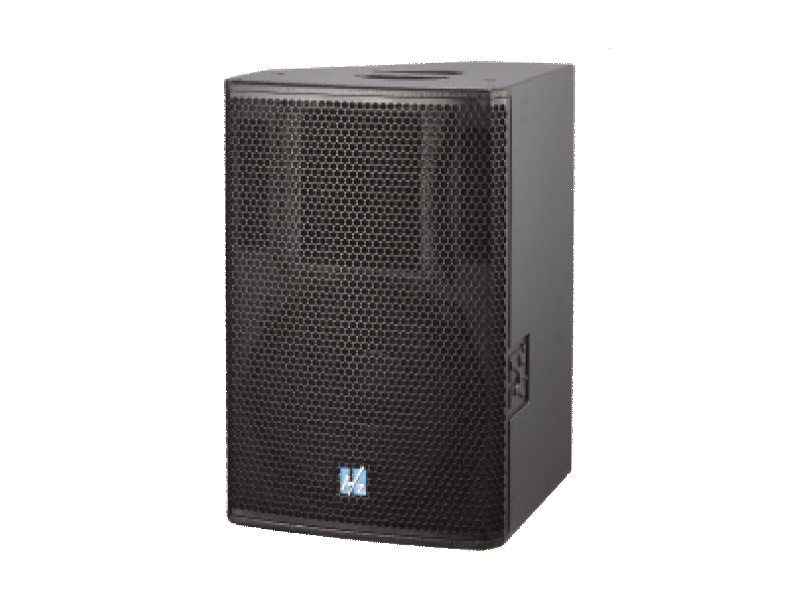
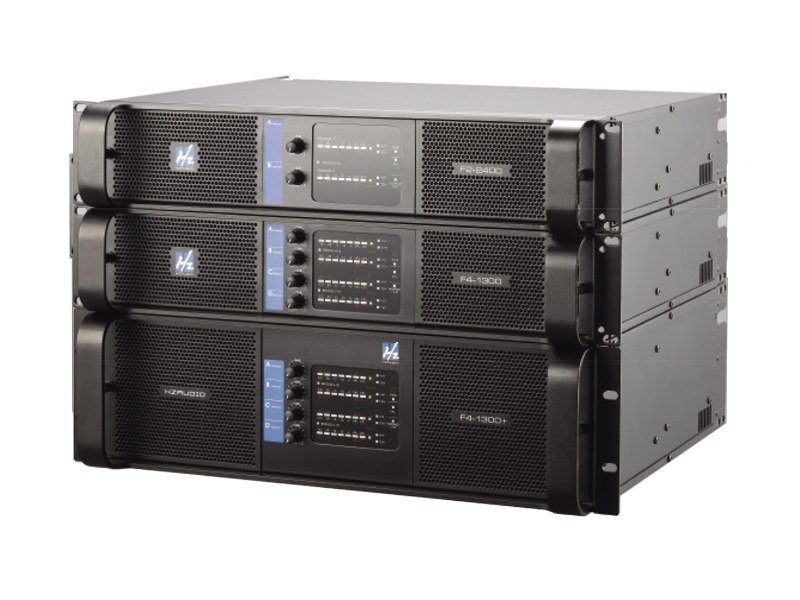
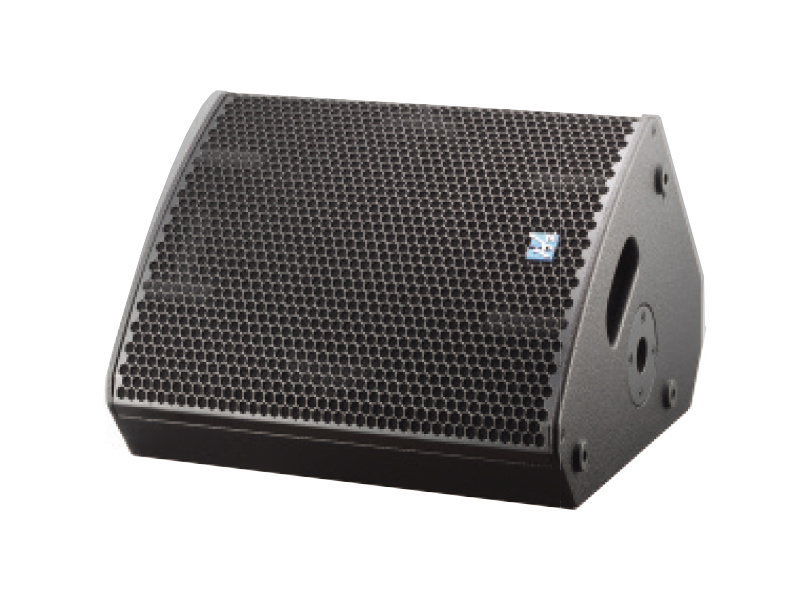
Passive PA speakers are a critical component in the world of professional audio systems, often used in concerts, events, and public speaking engagements. Unlike their active counterparts, passive PA speakers do not have built-in amplifiers. Instead, they rely on external amplifiers to drive the sound. This fundamental difference contributes to various advantages and considerations when choosing th
Apr 23,2026
One of the primary benefits of passive PA speakers is their flexibility. Because they require an external amplifier, users can select the amplification system that best matches their requirements for power, sound quality, and performance. This means that audiophiles and sound engineers can tailor their setups to achieve the desired sound output, whether they are hosting a small gathering or an expansive concert.
Another key advantage is the ability to upgrade components over time. With passive PA speakers, you can start with a basic setup and gradually enhance it by investing in higher-quality amplifiers or additional speakers. This modular approach allows for a more customizable audio experience and often proves to be more cost-effective in the long run.
Passive PA speakers typically feature a robust design, making them suitable for various environments, from indoor venues to outdoor stages. They are built to withstand heavy use, which is essential for professional settings where reliability and durability are paramount. Additionally, many passive models offer a range of sizes and configurations, accommodating different sound requirements and spatial constraints.
When it comes to sound quality, passive PA speakers can deliver exceptional clarity and fidelity, provided they are paired with the right amplifiers and audio sources. The separation of the amplification and speaker components allows for more precise tuning, which is crucial for ensuring the best possible audio experience. Users can also adjust settings such as equalization and crossover frequencies to enhance the overall performance of their sound system.
However, it’s important to consider the added complexity of passive PA speakers. The necessity of an external amplifier means that users must have a good understanding of audio equipment and how to match components effectively. This can be a barrier for beginners but is often a worthwhile investment for those looking to achieve high-quality sound.
In conclusion, passive PA speakers offer a flexible, durable, and customizable audio solution for both professionals and enthusiasts alike. By understanding their features, advantages, and the considerations involved, users can make informed decisions that significantly enhance their audio experiences. Whether you're setting up for a small event or a large concert, passive PA speakers can be an integral part of your sound system, delivering the clarity and performance needed to captivate any audience.
PREVIOUS:

CONTACT
Hzaudio Office Address: 16 st joins ave, mont Albert, Vic 3127, Australia
Hzaudio Lab Address: No. 455, Fuyi Road, Dalong Street, Panyu District, Guangzhou, China
Tel: +86 20-34882578 Cell:+86 18620144731
E-mail: sale@hzaudio.com
Follow Us On Wechat!