

From Setup to Performance: Mastering Live Sound Speakers for Exceptional Audio Experiences
From Setup to Performance: Mastering Live Sound Speakers When it comes to live events, having the right sound equipment can make the difference between an unforgettable experience and a disappointing one. Sound speakers play a crucial role in delivering clear, powerful audio that resonates with the audience. In this guide, we explore everything you need to know about mastering live sound speakers,
Apr 24,2026
From Setup to Performance: Mastering Live Sound Speakers
When it comes to live events, having the right sound equipment can make the difference between an unforgettable experience and a disappointing one. Sound speakers play a crucial role in delivering clear, powerful audio that resonates with the audience. In this guide, we explore everything you need to know about mastering live sound speakers, from setup to performance. By the end of this article, you will be equipped with the knowledge to create an exceptional sound environment for any event.
Table of Contents
- Understanding Live Sound Speakers: Types and Features
- Choosing the Right Speakers for Your Event
- Setting Up Live Sound Speakers: Step-by-Step Guide
- Optimizing Sound Performance: Techniques and Tips
- Troubleshooting Common Issues with Live Sound Speakers
- Maintaining Your Sound Equipment for Longevity
- The Role of Mixers and Effects in Live Sound
- Future Trends in Live Sound Technology
- FAQs About Live Sound Speakers
Understanding Live Sound Speakers: Types and Features
Live sound speakers are essential components of audio production in concerts, events, and public gatherings. Understanding the different types of speakers available and their features can help you make informed decisions for your setup.
Types of Live Sound Speakers
There are primarily two types of speakers used in live sound: passive speakers and active speakers.
Passive Speakers
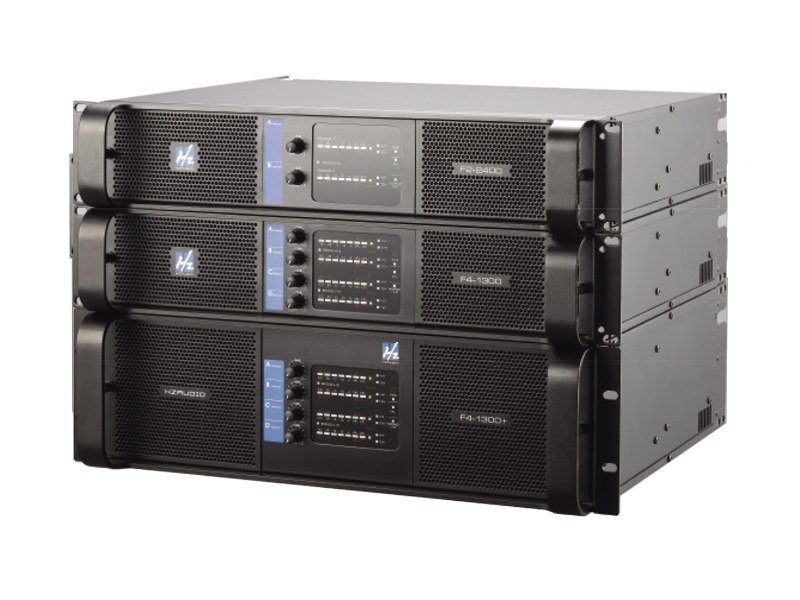
Passive speakers require an external amplifier to power them. They are often preferred for their flexibility and can be used with various amplifiers for different sound setups. However, this requires additional equipment, which can complicate the setup process.
Active Speakers
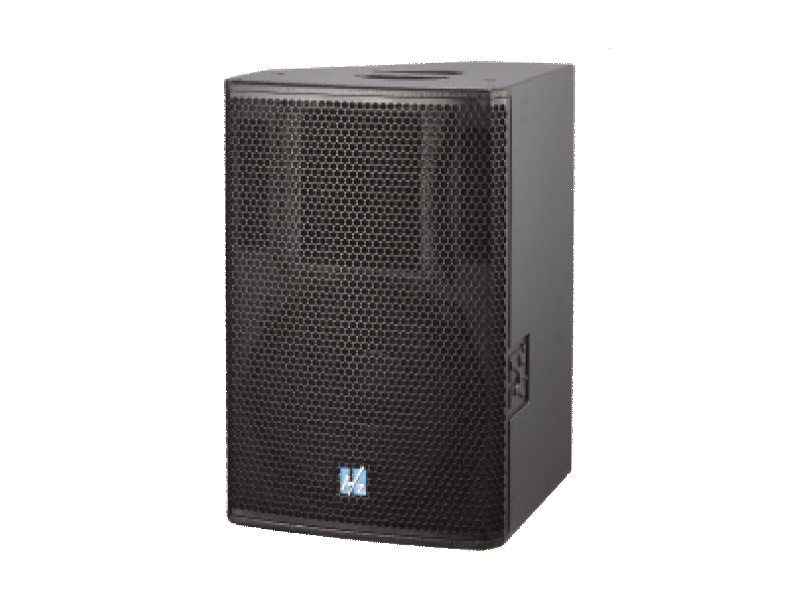
Active speakers have built-in amplifiers, making them easier to set up and use. They are generally more user-friendly and come with integrated features such as EQ controls and DSP settings, allowing for quick adjustments during live performances.
Key Features of Live Sound Speakers
When selecting live sound speakers, consider the following features:
- Power Rating: Measured in watts, this indicates how loud the speaker can get. Choose speakers with sufficient power for your venue size.
- Frequency Response: This defines the range of frequencies the speaker can reproduce. Look for a wide frequency response for richer sound.
- Portability: Depending on your needs, consider the weight and design of the speakers, especially if you need to transport them frequently.
- Durability: Speakers should be rugged and capable of withstanding the rigors of live events.
Choosing the Right Speakers for Your Event
Choosing the right speakers can greatly influence the quality of your sound experience. Here’s how to make the best choice:
Assessing Your Needs
Consider the size of your event and the venue. For larger venues, you may need speakers with higher power output and broader coverage capabilities. For smaller settings, compact speakers may suffice.
Sound Quality and Coverage
Evaluate the sound quality of potential speakers through listening tests. Ensure that they provide clear sound across all frequencies and that they can adequately cover the entire audience area. Placement is key; speakers should be positioned to ensure even sound distribution.
Budget Considerations
While investing in high-quality speakers is crucial, it's important to stick to your budget. Compare various brands and models, and look for options that provide the best value without compromising quality.
Setting Up Live Sound Speakers: Step-by-Step Guide
Setting up live sound speakers requires careful planning and execution. Follow this step-by-step guide to ensure optimal performance:
1. Planning Your Setup
Before you start, create a layout of the venue and plan where the speakers will be placed. This will help you visualize the sound coverage and positioning.
2. Positioning the Speakers
Position the speakers at ear level and angle them toward the audience. Avoid placing them too close to walls, as this can create unwanted reflections. Utilize speaker stands for better height adjustment.
3. Connecting the Equipment
For active speakers, simply plug them into a power source and connect them to your mixer. For passive speakers, connect them to an amplifier and then to the mixer. Make sure all connections are secure to prevent audio issues during the event.
4. Testing the Sound
Once everything is connected, conduct a sound check. Play various audio sources to test the quality and make adjustments as needed. Check for feedback and ensure all speakers are functioning properly.
Optimizing Sound Performance: Techniques and Tips
To ensure the best audio quality during your event, consider these optimization techniques:
Equalization (EQ)
Use EQ to adjust specific frequency ranges, enhancing the overall sound quality. Cut frequencies that cause feedback and boost those vital for clarity and presence.
Room Acoustics
Be aware of the venue's acoustics and how they affect sound. Utilize acoustic treatments, such as bass traps and diffusers, to improve sound quality.
Monitoring
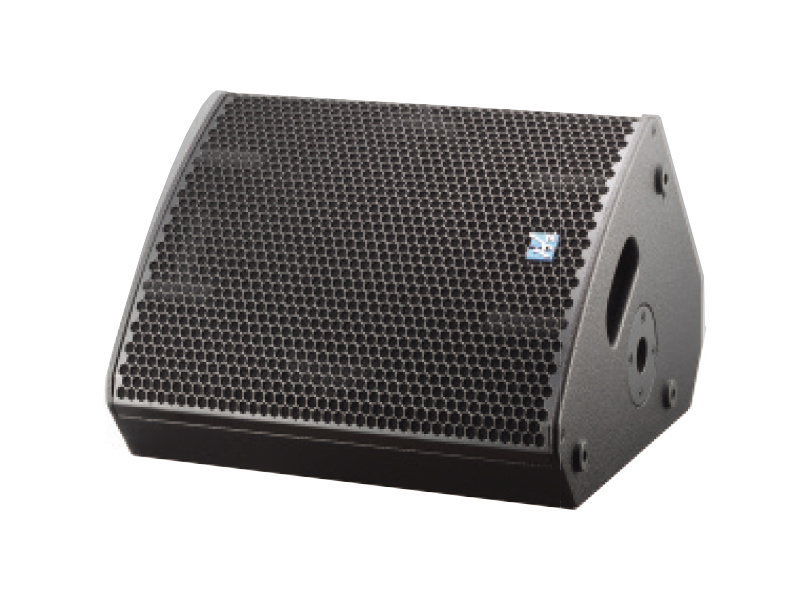
Use stage monitors to provide performers with real-time audio feedback. This helps them hear themselves and adjust their performance as needed.
Troubleshooting Common Issues with Live Sound Speakers
Even with the best setup, issues can arise. Here’s how to troubleshoot some common problems:
Feedback
Feedback occurs when sound loops between the speakers and microphones. To reduce feedback, adjust microphone positioning and lower the volume of problematic frequencies.
Distortion
Distortion can result from overdriving the speakers. Lower the amplifier or mixer levels to resolve this issue.
Lack of Clarity
If sound seems muddled, check your EQ settings and ensure that frequencies are correctly balanced. Clear sound is achieved through precise adjustments.
Maintaining Your Sound Equipment for Longevity
Proper maintenance of your sound equipment can extend its lifespan and ensure reliability. Consider these practices:
Regular Cleaning
Dust and dirt can accumulate on speaker cones and connections, affecting performance. Clean your equipment regularly with appropriate tools.
Storage
Store speakers in a cool, dry place away from direct sunlight. Use padded cases for transport to prevent damage.
The Role of Mixers and Effects in Live Sound
A mixer is vital for controlling audio levels and adding effects. Understanding its functions can take your sound to the next level:
Mixing Techniques
Learn how to balance levels between different audio sources. Adjust panning, volume, and EQ settings for an optimal blend of sound.
Effects Processing
Utilize effects like reverb and delay to enhance the audio experience. Applying effects thoughtfully can add depth and character to your sound.
Future Trends in Live Sound Technology
The live sound industry is constantly evolving. Here are some trends shaping the future:
Wireless Audio
Wireless technology is making setups more flexible and efficient. Expect to see advancements in wireless microphones and speaker systems that reduce clutter and improve mobility.
Smart Technology
Integration of smart technology in audio equipment allows for remote control and automation, simplifying the setup process and enhancing performance.
Immersive Sound Experiences
With advancements in sound design, immersive audio experiences are becoming more popular. Expect to see spatial audio techniques being utilized in live events for an engaging audience experience.
FAQs About Live Sound Speakers
1. What is the difference between passive and active speakers?
Passive speakers require an external amplifier, while active speakers have built-in amplifiers, making them easier to set up and use.
2. How do I choose the right speaker size for my venue?
Consider the venue's size and the intended audience. Larger venues typically require more powerful speakers to ensure adequate sound coverage.
3. Can I use home speakers for live events?
Home speakers are not designed for the demands of live events and may not provide the necessary power or durability.
4. How can I prevent feedback during a live performance?
To prevent feedback, position microphones away from speakers, lower problematic frequencies using EQ, and manage speaker volume levels.
5. What maintenance do live sound speakers require?
Regular cleaning, careful storage, and checking connections are essential to maintain the performance and longevity of live sound speakers.
Conclusion
Mastering live sound speakers involves understanding the types of speakers, optimizing setup and performance, and implementing proper maintenance strategies. With the right knowledge and techniques, you can create a stunning audio experience that captivates your audience. By following the insights shared in this guide, you're well on your way to becoming an expert in live sound, ready to deliver unforgettable performances.

CONTACT
Hzaudio Office Address: 16 st joins ave, mont Albert, Vic 3127, Australia
Hzaudio Lab Address: No. 455, Fuyi Road, Dalong Street, Panyu District, Guangzhou, China
Tel: +86 20-34882578 Cell:+86 18620144731
E-mail: sale@hzaudio.com
Follow Us On Wechat!