

Understanding Passive PA Speakers: Enhancing Audio Performance in Professional Settings
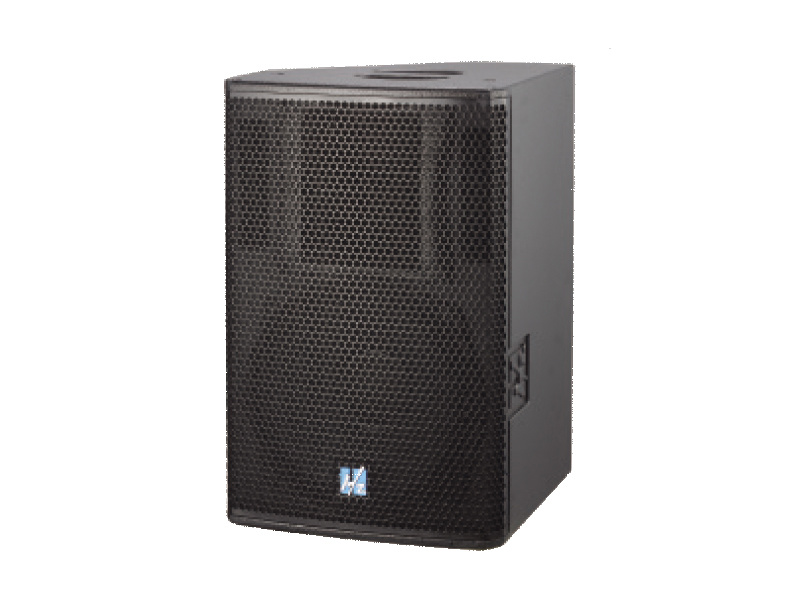
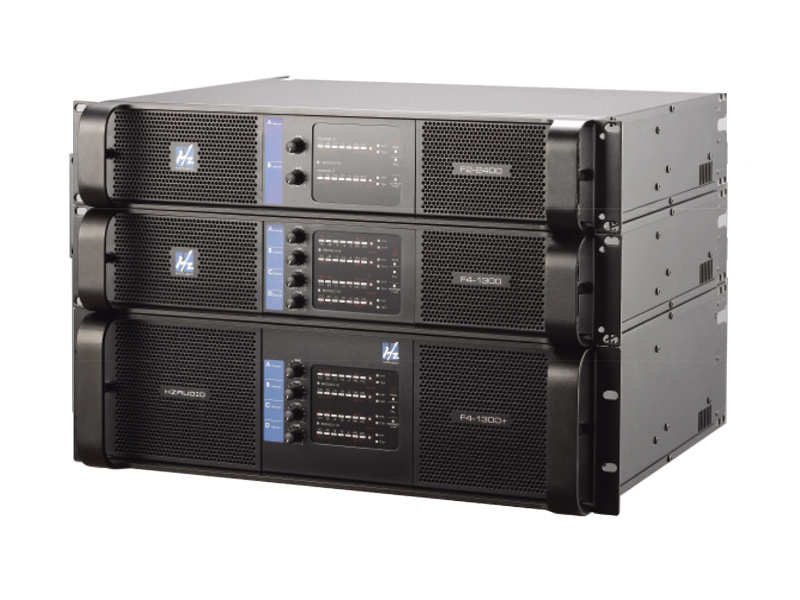
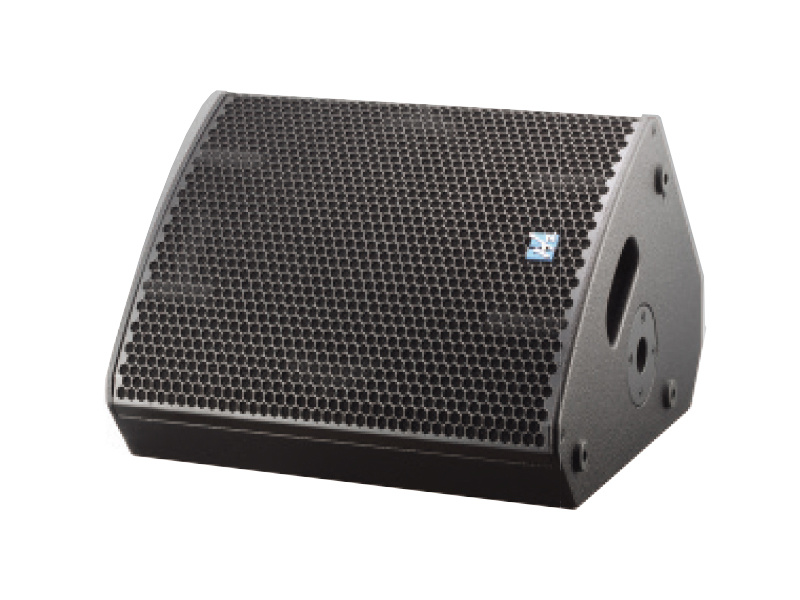
Passive PA speakers are a crucial component in professional audio systems, widely utilized across various settings such as concerts, corporate events, and public speaking engagements. Unlike their active counterparts, passive PA speakers require an external power amplifier to drive the audio signal, making them an essential choice for those seeking flexibility and customization in their sound syst
May 23,2026
One of the primary advantages of passive PA speakers is their scalability. These speakers can be easily integrated into larger sound systems, allowing audio engineers to tailor the setup according to the specific requirements of the venue. By selecting appropriate amplifiers and speaker configurations, professionals can achieve optimal sound quality, ensuring that every note and nuance is delivered with clarity and precision.
Another significant benefit is the ease of maintenance. Passive PA speakers generally have a simpler design and fewer electronic components compared to active speakers, which often house built-in amplifiers and processing modules. This simplicity translates to reduced repair costs and longer lifespan, making them a more sustainable option for long-term use in various audio applications.
When choosing passive PA speakers, it is essential to consider their impedance and power handling. Typically, passive speakers come in various impedance ratings, commonly 4, 8, or 16 ohms. Matching the impedance of the speakers with the amplifier is crucial to ensure optimal performance and prevent damage to the equipment. Additionally, understanding the power handling capabilities of the speakers helps in selecting the right amplifier, ensuring that the speakers are adequately powered without overdriving them.
Installation and setup are also key factors in maximizing the performance of passive PA speakers. Proper placement within the venue can significantly affect sound distribution and audience experience. Utilizing speaker stands, brackets, or rigging systems allows for strategic positioning, enhancing the overall audio quality. Moreover, professionals should be mindful of the acoustic properties of the environment, as factors such as room size, shape, and materials can greatly influence sound behavior.
In conclusion, passive PA speakers offer professionals in the audio industry a versatile and reliable solution for achieving high-quality sound in various applications. By understanding their functionality, benefits, and optimal setup, audio engineers can leverage these speakers to create captivating audio experiences that resonate with audiences. Whether for live events, installations, or studio settings, passive PA speakers remain a foundational choice for delivering exceptional sound.
PREVIOUS:

CONTACT
Hzaudio Office Address: 16 st joins ave, mont Albert, Vic 3127, Australia
Hzaudio Lab Address: No. 455, Fuyi Road, Dalong Street, Panyu District, Guangzhou, China
Tel: +86 20-34882578 Cell:+86 18620144731
E-mail: sale@hzaudio.com
Follow Us On Wechat!