

Live Sound Speakers: Adapting to Different Performance Environments for Optimal Sound Experience
Live Sound Speakers: Adapting to Different Performance Environments for Optimal Sound Experience Table of Contents 1. Understanding Live Sound Speakers 2. The Importance of Venue Acoustics 3. Types of Live Sound Speakers 3.1 Passive vs. Active Speakers 3.2 Point Source vs. Line Array Speakers 4. Factors Influencing Speaker Selection 4.1 Audience Size and Venue Type 4.2 Genre of M
May 24,2026
Live Sound Speakers: Adapting to Different Performance Environments for Optimal Sound Experience
Table of Contents
1. Understanding Live Sound Speakers
2. The Importance of Venue Acoustics
3. Types of Live Sound Speakers
3.1 Passive vs. Active Speakers
3.2 Point Source vs. Line Array Speakers
4. Factors Influencing Speaker Selection
4.1 Audience Size and Venue Type
4.2 Genre of Music
4.3 Environmental Considerations
5. Adapting to Indoor Performance Environments
5.1 Small Venues and Clubs
5.2 Theatrical Spaces
6. Adapting to Outdoor Performance Environments
6.1 Festivals and Large Events
6.2 Temporary Installations and Setup
7. Best Practices for Setting Up Live Sound Speakers
8. Frequently Asked Questions (FAQs)
9. Conclusion
1. Understanding Live Sound Speakers
In the realm of **live sound**, speakers are the cornerstone of delivering a captivating audio experience. These devices convert electrical signals into sound waves, projecting music and voice to an audience, whether in an intimate club or a large festival arena. Understanding how to effectively use and adapt live sound speakers is essential for sound engineers and musicians alike.
2. The Importance of Venue Acoustics
Venue acoustics play a critical role in how sound is perceived. Factors such as the size, shape, and materials of a venue can significantly impact audio quality. In an **ideal performance environment**, sound should be clear and well-defined, with balanced frequencies that engage the audience.
Before setting up sound equipment, it's vital to assess the venue's acoustics. This assessment informs decisions on speaker type, placement, and even the need for additional acoustic treatment measures, such as sound panels or diffusers.
3. Types of Live Sound Speakers
Understanding the different types of speakers available is crucial to achieving optimal sound performance.
3.1 Passive vs. Active Speakers
**Passive speakers** require an external amplifier to power them, while **active speakers** have built-in amplification. Active speakers tend to be easier to set up and manage, which can be beneficial in fast-paced environments.
3.2 Point Source vs. Line Array Speakers
**Point source speakers** emit sound from a single point, making them suitable for smaller venues. In contrast, **line array speakers** consist of multiple speaker elements arranged in a vertical line, allowing sound to cover a broader area more evenly. Understanding the differences is key when selecting the right system for the venue.
4. Factors Influencing Speaker Selection
Choosing the right speakers for a live sound event requires careful consideration of several factors.
4.1 Audience Size and Venue Type
The audience size directly influences the power and type of speakers required. For example, a small club may only need a couple of **10-inch speakers**, while a large outdoor concert might necessitate a full **line array system**.
4.2 Genre of Music
Different genres of music have unique sonic characteristics. For instance, rock music often demands powerful bass response, while acoustic performances may prioritize clarity and mid-range frequencies. Adjusting speaker selection based on genre ensures that the sound quality meets audience expectations.
4.3 Environmental Considerations
Outdoor environments present distinct challenges, such as wind interference and open space acoustics. Weather-resistant speakers with robust sound projection capabilities may be necessary for outdoor events, ensuring consistent audio quality regardless of external conditions.
5. Adapting to Indoor Performance Environments
Indoor venues present unique acoustical challenges that necessitate tailored speaker solutions.
5.1 Small Venues and Clubs
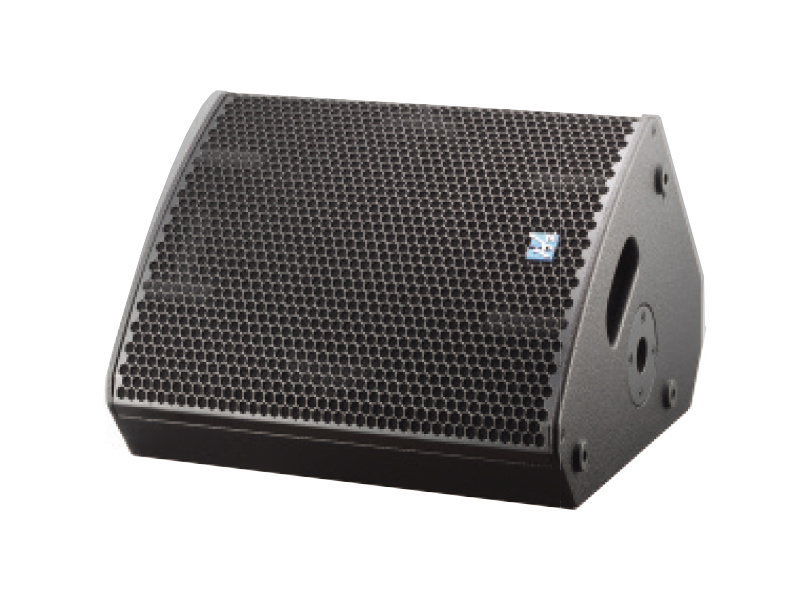
In smaller venues, speaker placement is critical. To avoid feedback and ensure an even sound distribution, **nearfield monitors** can be positioned strategically. These speakers are designed for close listening and can significantly enhance the overall sound experience in intimate settings.
5.2 Theatrical Spaces
Theatrical environments often require sophisticated audio setups. Multiple speaker types may be employed to create a surround sound experience, enhancing the performance's emotional impact. In these settings, it is essential to consider the **directionality** of sound, ensuring that it aligns with the audience's viewing angles.
6. Adapting to Outdoor Performance Environments
Outdoor performances can vary dramatically in terms of size and setup requirements.
6.1 Festivals and Large Events
For large festivals, the use of **line array systems** is often necessary to project sound across extensive areas. Additionally, implementing delay towers can help synchronize sound across a vast audience, ensuring everyone experiences the same audio quality.
6.2 Temporary Installations and Setup
Some outdoor events require quick setups with portable systems. **Powered speakers** offer a versatile solution, enabling hassle-free transport and setup. Understanding the venue layout and potential obstacles is vital for effective placement and sound projection.
7. Best Practices for Setting Up Live Sound Speakers
Setting up sound equipment correctly can dramatically impact performance quality.
- **Assess the Venue**: Before setup, walk through the venue to identify potential trouble spots, such as reflective surfaces or dead zones where sound may not carry well.
- **Speaker Placement**: Position speakers at a height that directs sound toward the audience. Avoid placing them too close to walls or corners to minimize unwanted reflections.
- **Test Before the Show**: Conduct sound checks to make necessary adjustments. Pay attention to feedback issues and sound clarity across different areas of the venue.
- **Use Equalization (EQ)**: Adjust EQ settings to cater to the specific acoustics of the venue. This ensures the sound is balanced across all frequencies, enhancing the overall experience.
8. Frequently Asked Questions (FAQs)
Q1: What size speakers do I need for my venue?
A1: The size of the speakers depends on the venue's audience size and layout. For smaller venues, compact speakers may suffice, while larger spaces often require more powerful, larger speakers.
Q2: How do I choose between active and passive speakers?
A2: Choose active speakers for ease of setup and use in smaller venues. Passive speakers may be more suitable for larger setups requiring custom amplification.
Q3: Can I use the same speakers for both indoor and outdoor events?
A3: While some speakers can be used for both settings, it's essential to consider weather resistance and sound projection capabilities. Outdoor environments may require more robust systems.
Q4: How can I improve sound quality in a difficult acoustic space?
A4: Implement acoustic treatments like sound panels or diffusers, and carefully adjust speaker placement to minimize reflections and dead spots.
Q5: What is the role of a sound engineer during live performances?
A5: A sound engineer manages the audio setup, ensuring optimal sound quality during performances by adjusting levels and addressing any issues in real time.
9. Conclusion
Adapting live sound speakers to different performance environments is a multifaceted challenge that requires careful planning, knowledge of acoustics, and an understanding of the unique requirements of each venue. By considering factors such as audience size, genre of music, and environmental conditions, sound engineers can ensure that every performance delivers an exceptional audio experience. Whether it’s a small club or a large outdoor festival, the right approach to speaker selection and setup can make all the difference in creating memorable moments that resonate long after the final note has been played.

CONTACT
Hzaudio Office Address: 16 st joins ave, mont Albert, Vic 3127, Australia
Hzaudio Lab Address: No. 455, Fuyi Road, Dalong Street, Panyu District, Guangzhou, China
Tel: +86 20-34882578 Cell:+86 18620144731
E-mail: sale@hzaudio.com
Follow Us On Wechat!