

Understanding Passive PA Speakers: A Comprehensive Guide for Audio Professionals
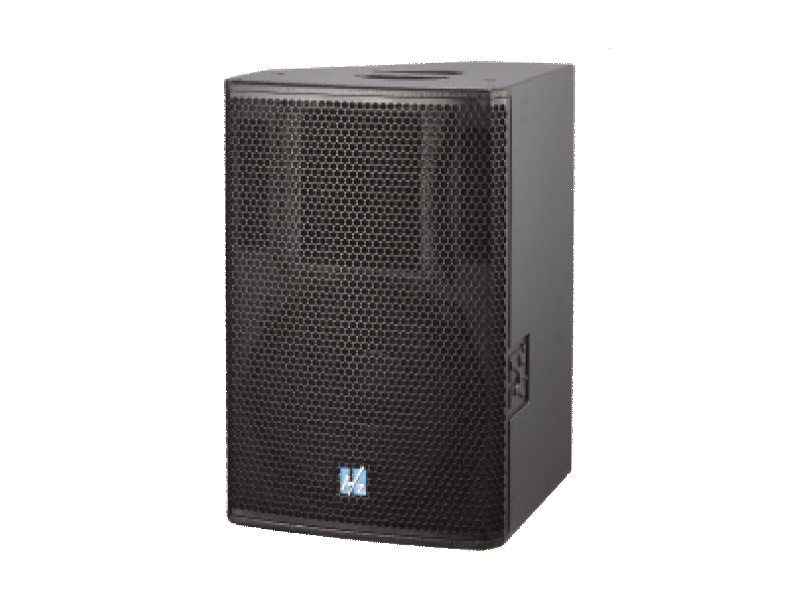
When it comes to professional audio systems, passive PA speakers are a fundamental component that can significantly impact sound quality and performance. Unlike their active counterparts, passive PA speakers do not have built-in amplifiers. Instead, they rely on external amplifiers to power them, which can offer various advantages and considerations for audio professionals. One of the primary bene
Jul 24,2026
One of the primary benefits of using passive PA speakers is their flexibility. Since these speakers require external amplification, audio professionals can choose amplifiers that match their specific sound requirements and the size of the venue. This allows for tailored sound reinforcement that can adapt to different environments, from small gatherings to large concerts. The ability to mix and match speakers and amplifiers also opens up a range of possibilities for creating a unique sound profile.
Another advantage of passive PA speakers is their scalability. As the needs of an audio system evolve or expand, it is relatively easy to add more speakers or upgrade amplifiers without having to replace the entire system. This scalability makes passive PA speakers an appealing choice for rental companies and audio professionals who frequently work on diverse projects.
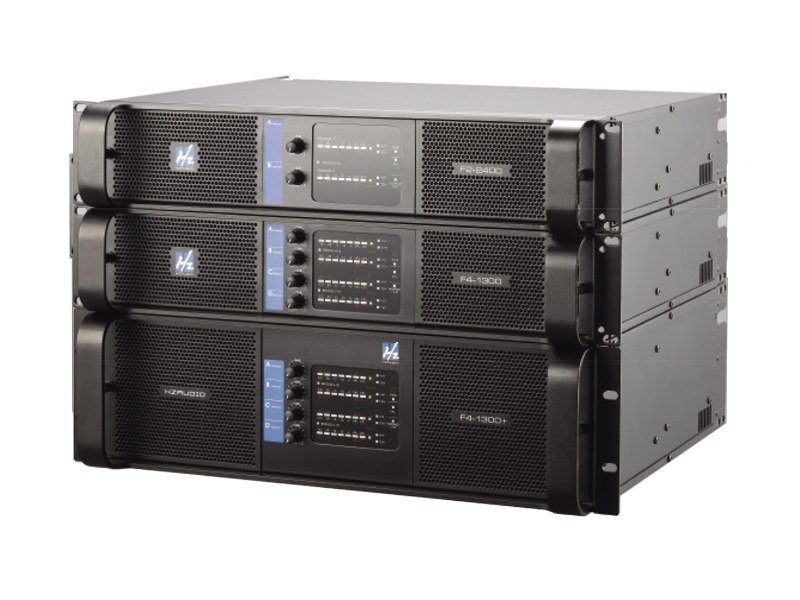
However, it is essential to note that passive PA speakers require careful consideration regarding impedance and power handling. When selecting an amplifier for passive speakers, audio professionals must ensure that the amplifier's output matches the speaker's impedance rating. This compatibility is crucial to prevent damage to the equipment and ensure optimal performance. Additionally, understanding power handling specifications will help professionals avoid underpowering or overpowering the speakers, which can lead to distortion or speaker failure.
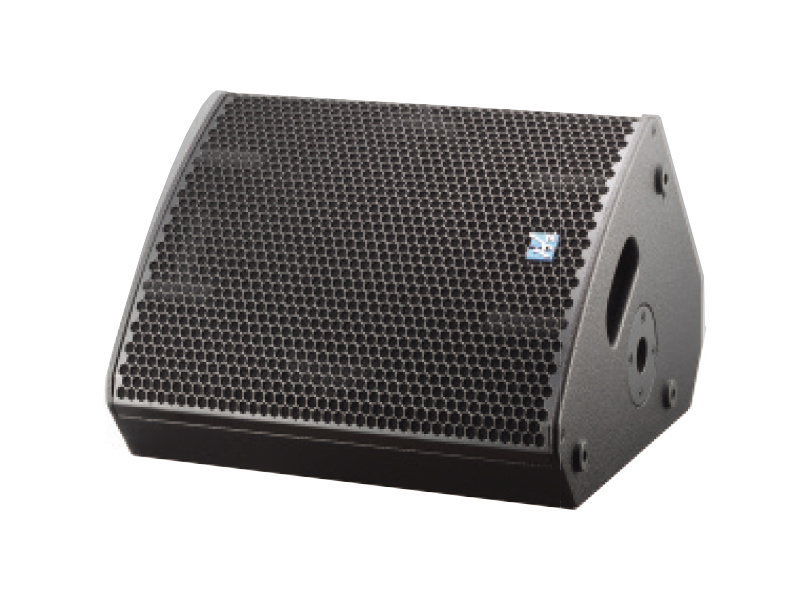
Furthermore, the placement of passive PA speakers can affect sound dispersion and overall audio quality. Proper positioning is critical for achieving the best sound experience, especially in larger venues where audience coverage is vital. Audio professionals should familiarize themselves with concepts such as triangulation and speaker angling to enhance sound distribution effectively.
In conclusion, passive PA speakers are a versatile and essential choice for audio professionals looking to create high-quality sound experiences. By understanding their unique characteristics, including flexibility, scalability, and the importance of proper amplifier selection, professionals can maximize the potential of their audio systems. Whether in a small venue or a large concert hall, the right passive PA speakers can make a significant difference in delivering clear and powerful sound.

CONTACT
Hzaudio Office Address: 16 st joins ave, mont Albert, Vic 3127, Australia
Hzaudio Lab Address: No. 455, Fuyi Road, Dalong Street, Panyu District, Guangzhou, China
Tel: +86 20-34882578 Cell:+86 18620144731
E-mail: sale@hzaudio.com
Follow Us On Wechat!