

Enhancing Your Home Entertainment Experience: A Comprehensive Guide to Home Theater Speakers
When it comes to creating a truly immersive home entertainment experience, the choice of home theater speakers plays a critical role. Sound quality can significantly influence how you perceive movies, music, and games, turning an ordinary viewing into a captivating experience. In this article, we will explore the different types of home theater speakers, their benefits, and some essential factors
Sep 16,2026
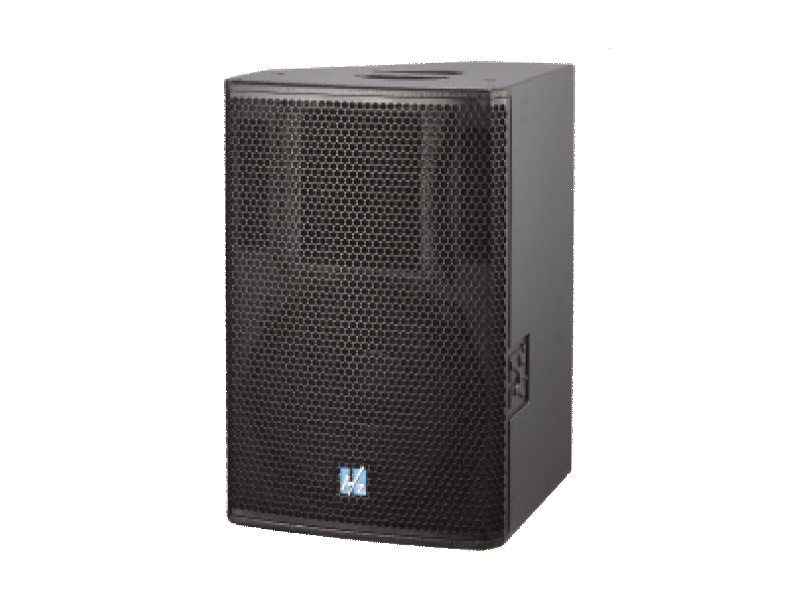
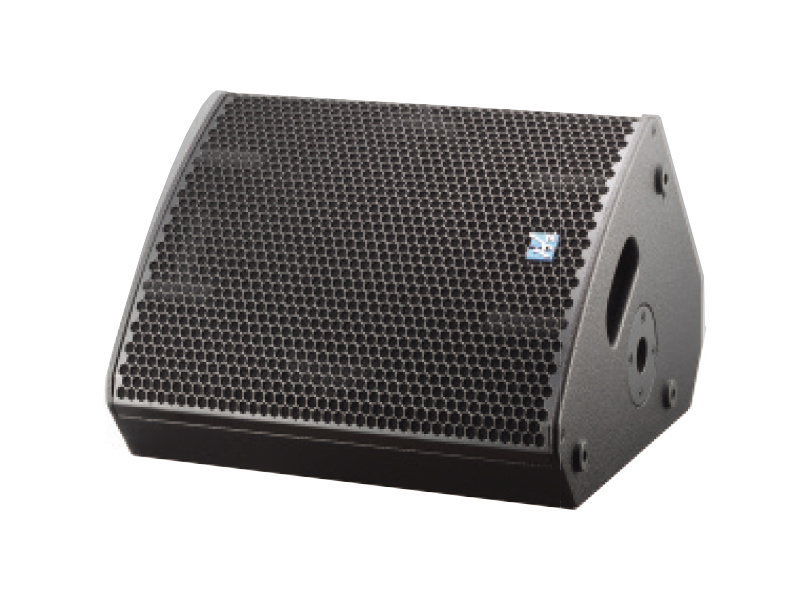
Home theater speakers typically come in several types, including floor-standing speakers, bookshelf speakers, satellite speakers, and subwoofers. Floor-standing speakers are larger and provide powerful sound, making them ideal for larger rooms. Bookshelf speakers, while smaller, can still deliver exceptional audio quality and are versatile enough to fit in various spaces. Satellite speakers are compact and designed to be used with a subwoofer for enhanced bass, making them suitable for surround sound setups. Subwoofers, on the other hand, are specialized speakers that enhance low-frequency sounds, adding depth and richness to your audio experience.
One of the primary benefits of investing in quality home theater speakers is the enhanced audio clarity and detail they provide. High-quality speakers can reproduce sound accurately, allowing you to hear nuances in dialogue, music, and sound effects that may be lost with lower-quality options. This level of clarity not only enhances your enjoyment but also enriches your overall viewing experience.
When selecting home theater speakers, there are several key factors to consider. Firstly, assess the size of your room. Larger spaces may require more powerful speakers to fill the area with sound, while smaller rooms can benefit from compact options. Additionally, consider the layout of your room and how the speakers will be placed. Proper speaker placement is crucial for achieving optimal sound quality and creating a balanced audio environment.
Another important consideration is the speaker's impedance and sensitivity. These specifications can affect how well the speakers perform with your amplifier or receiver. Generally, speakers with lower impedance are easier to drive, while the sensitivity rating indicates how efficiently a speaker converts power into sound. Higher sensitivity ratings mean that less power is required to produce loud sound levels.
Lastly, think about your personal preferences. Do you enjoy watching action-packed movies with booming sound effects, or do you prefer a more subtle, nuanced audio experience for music? Your listening habits will greatly influence your choice of home theater speakers.
In conclusion, home theater speakers are a vital component of any audio setup, significantly impacting your overall viewing experience. By understanding the different types of speakers available and considering essential factors such as room size and personal preferences, you can choose the right speakers to create an immersive audio landscape in your home. Whether you're a casual viewer or a dedicated audiophile, investing in quality home theater speakers can transform the way you enjoy entertainment.
PREVIOUS:

CONTACT
Hzaudio Office Address: 16 st joins ave, mont Albert, Vic 3127, Australia
Hzaudio Lab Address: No. 455, Fuyi Road, Dalong Street, Panyu District, Guangzhou, China
Tel: +86 20-34882578 Cell:+86 18620144731
E-mail: sale@hzaudio.com
Follow Us On Wechat!