

The Crucial Role of Stage Monitor Speakers in Band Rehearsals
The Crucial Role of Stage Monitor Speakers in Band Rehearsals Table of Contents 1. Introduction to Stage Monitor Speakers 2. Importance of Stage Monitor Speakers in Band Rehearsals 3. Types of Stage Monitor Speakers 4. Placement Strategies for Maximum Effectiveness 5. Ensuring Sound Quality in Rehearsals 6. Effective Monitoring Techniques for Musicians 7. Common Issues
Aug 14,2026
The Crucial Role of Stage Monitor Speakers in Band Rehearsals
Table of Contents
- 1. Introduction to Stage Monitor Speakers
- 2. Importance of Stage Monitor Speakers in Band Rehearsals
- 3. Types of Stage Monitor Speakers
- 4. Placement Strategies for Maximum Effectiveness
- 5. Ensuring Sound Quality in Rehearsals
- 6. Effective Monitoring Techniques for Musicians
- 7. Common Issues with Stage Monitor Speakers
- 8. Best Practices for Using Stage Monitor Speakers
- 9. Conclusion
- 10. Frequently Asked Questions
1. Introduction to Stage Monitor Speakers
Stage monitor speakers, often referred to as wedges or floor monitors, play a pivotal role in the dynamics of live performances and rehearsals. These speakers ensure that each band member hears themselves and each other clearly, which is essential for coordinating their contributions and maintaining a cohesive sound. In rehearsals, the correct usage of stage monitor speakers not only improves the quality of sound but also enhances the overall rehearsal experience.
2. Importance of Stage Monitor Speakers in Band Rehearsals
When bands rehearse, communication through sound is vital. Stage monitor speakers provide the necessary audio feedback that enables musicians to adjust their playing or singing in real-time. This auditory feedback loop is crucial for several reasons:
Enhanced Communication Among Band Members
Stage monitors allow musicians to hear not only their parts but also how they fit within the entirety of the mix. This enhances communication, making it easier to collaborate on song arrangements and dynamics.
Improved Performance Quality
With clear audio, musicians can identify mistakes more easily, refine their playing, and provide better performances. This leads to a more polished sound, which is essential for live shows and recordings.
Reduced Stress Levels
Hearing oneself clearly significantly reduces the anxiety that can come with performing. Musicians can focus on their craft without worrying about whether they are audible to others.
3. Types of Stage Monitor Speakers
Understanding the different types of stage monitor speakers available can help bands choose the right equipment for their rehearsals. Here are the most common options:
Passive Stage Monitors
These require an external amplifier to power them. They are often more affordable and allow for customization in terms of sound and performance.
Active Stage Monitors
These come with built-in amplifiers and are usually easier to set up. They offer a more straightforward solution for bands on the go.
In-Ear Monitors (IEMs)
IEMs provide a more personalized sound experience, allowing musicians to hear only what they want without any ambient noise. They are particularly beneficial in loud environments.
4. Placement Strategies for Maximum Effectiveness
The placement of stage monitor speakers is critical for achieving the best sound experience. Here are some strategies to consider:
Angle and Positioning
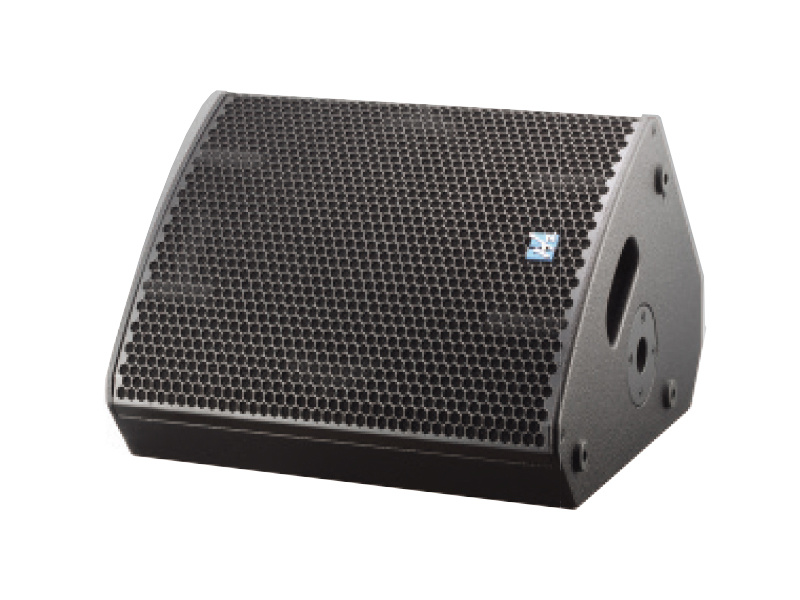
Wedge monitors should be angled towards the performer to direct sound more effectively. Ensure they are placed at a distance that allows for a full sound without excessive volume.
Distance from Other Instruments
Position monitors away from loud instruments to avoid feedback and ensure clarity. For example, placing a monitor too close to a drummer can result in overwhelming sound levels.
Monitoring Multiple Channels
If possible, utilize multiple monitors for different channels. This allows each musician to tailor their sound experience, hearing themselves and the instruments they need to collaborate with.
5. Ensuring Sound Quality in Rehearsals
The quality of sound produced by stage monitor speakers is paramount to effective rehearsals. Here are some tips to ensure high audio quality:
Using Quality Cables
Investing in high-quality cables can prevent signal loss and distortion, enhancing the clarity of sound. Avoid using cheap cables that can impact audio fidelity.
Tuning the Mix
Taking the time to adjust the mix for each monitor can ensure that every musician hears the correct balance of instruments and vocals. This requires attention to detail but results in improved rehearsal efficiency.
Regular Maintenance
Ensure that all equipment is regularly checked and maintained. Dust and dirt can accumulate, affecting sound quality. A clean, well-maintained setup is essential for optimal performance.
6. Effective Monitoring Techniques for Musicians
To maximize the benefits of stage monitor speakers, musicians should adopt effective monitoring techniques:
Personalized Mixes
Each musician should have a personalized mix tailored to their needs. This can include varying levels of vocals, instruments, or backing tracks.
Utilizing EQ Settings
Using equalization settings can help tailor the sound to suit different environments and personal preferences. Adjusting the mids, highs, and lows can significantly affect how a musician hears themselves.
Feedback Management
Musicians should be aware of feedback issues when using monitors and make necessary adjustments, such as repositioning the monitor or altering its volume.
7. Common Issues with Stage Monitor Speakers
Despite their benefits, stage monitor speakers can come with challenges. Awareness of potential issues can help in addressing them proactively.
Feedback Problems
Feedback is one of the most common issues faced during rehearsals. Proper placement and gain staging can mitigate this problem.
Volume Imbalance
Sometimes, different band members may experience volume imbalances. Continuous adjustments and communication can help resolve this issue.
Sound Quality Deterioration
Over time, sound quality can deteriorate due to wear and tear. Regular maintenance and timely replacements are crucial to maintain sound integrity.
8. Best Practices for Using Stage Monitor Speakers
To ensure optimal use of stage monitor speakers, consider these best practices:
Conduct Regular Sound Checks
Before each rehearsal, conduct thorough sound checks to adjust the mixes and ensure all monitors are functioning properly.
Encourage Communication
Foster an environment where musicians feel comfortable communicating their needs regarding sound. This encourages collaboration and enhances the rehearsal experience.
Invest in Quality Equipment
Quality stage monitor speakers can significantly improve rehearsal outcomes. Investing in reputable brands ensures reliability and sound excellence.
9. Conclusion
Stage monitor speakers are an indispensable tool in the realm of band rehearsals. They facilitate clear communication, enhance performance quality, and contribute to a more enjoyable rehearsal environment. By understanding the types of monitors available, employing effective placement strategies, ensuring sound quality, and adopting best practices, musicians can maximize their rehearsal efficiency. Ultimately, the careful integration of stage monitor speakers can make the difference between a mediocre rehearsal and a remarkable one.
10. Frequently Asked Questions
1. What are stage monitor speakers?
Stage monitor speakers are specialized loudspeakers designed to allow performers to hear themselves and other band members during live performances and rehearsals.
2. How do I choose the right stage monitor speakers for my band?
Consider the size of your band, the type of music you play, and your budget. Active monitors are generally easier to set up, while passive monitors offer more flexibility.
3. Can I use regular speakers as stage monitors?
While you can use regular speakers, they may not provide the clarity and directionality needed for effective monitoring. It's best to invest in dedicated stage monitor speakers.
4. What are common issues with stage monitor speakers?
Common issues include feedback, volume imbalance among musicians, and sound quality deterioration over time.
5. How can I improve the sound quality of my stage monitors?
Ensure you use quality cables, regularly maintain your equipment, and take the time to mix the sound properly for each monitor. Regular sound checks are also crucial.

CONTACT
Hzaudio Office Address: 16 st joins ave, mont Albert, Vic 3127, Australia
Hzaudio Lab Address: No. 455, Fuyi Road, Dalong Street, Panyu District, Guangzhou, China
Tel: +86 20-34882578 Cell:+86 18620144731
E-mail: sale@hzaudio.com
Follow Us On Wechat!