

Unlocking the Ultimate Home Theater Experience: A Guide to Home Theater Speakers
When it comes to creating an immersive home theater experience, home theater speakers play a crucial role. The choice of speakers can significantly impact your audio enjoyment, enhancing everything from movie dialogues to music. Understanding the different types of speakers and their configurations can help you make informed decisions tailored to your specific needs. First, consider the types of h
Aug 15,2026
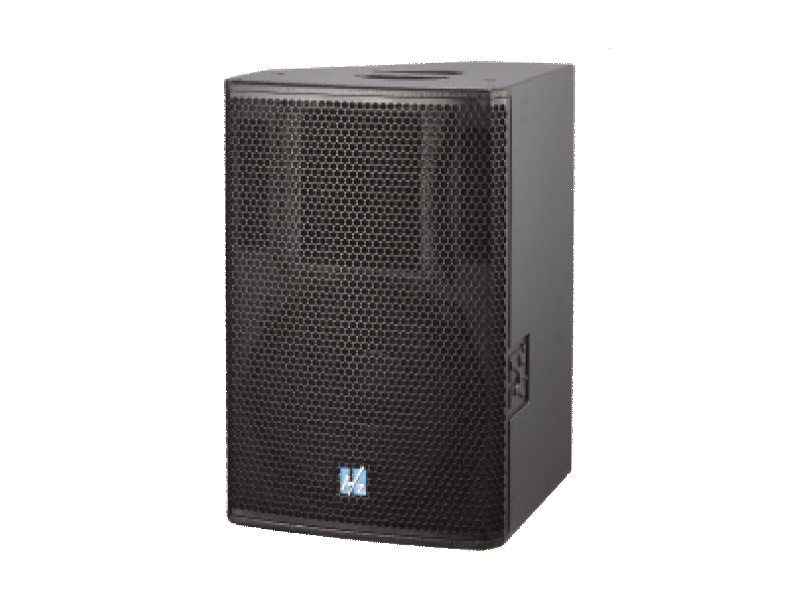
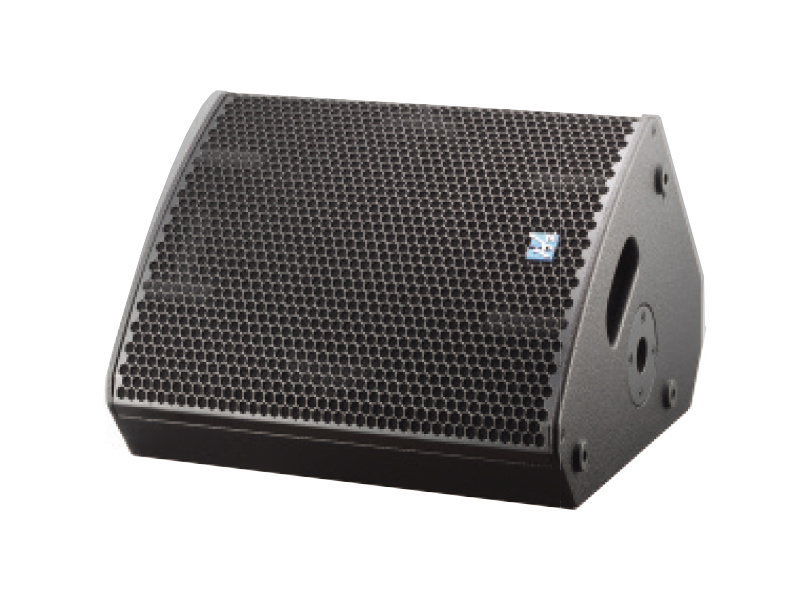
First, consider the types of home theater speakers available. Typically, a home theater system includes five main components: front left, front right, center, surround left, and surround right speakers, which together create a surround sound experience. Additionally, many setups incorporate a subwoofer to deliver deep bass, enhancing the impact of action scenes and music.
Your next step is to determine the configuration that fits your space. For instance, a 5.1 setup is the most common, consisting of five speakers and one subwoofer. If you desire an even more immersive experience, you might explore a 7.1 or even a 9.1 system, which adds additional speakers to the rear for a fuller soundstage. The layout of your room matters too; placing speakers at the right height and angle can dramatically improve sound quality.
When selecting home theater speakers, pay attention to specifications such as frequency response, sensitivity, and power handling. Frequency response indicates the range of sounds the speaker can produce—ideally, you want a wide range to cover both low and high frequencies. Sensitivity measures how effectively a speaker converts power into sound; higher sensitivity means more volume with less power. Power handling indicates how much power a speaker can handle without distortion, ensuring optimal performance even at higher volumes.
Another important aspect is the build quality of the speakers. Materials used in speaker construction can affect sound quality. Look for speakers that utilize quality components, such as durable cabinets that minimize resonance and high-quality drivers that deliver precise sound reproduction.
Compatibility with your existing audio/video receiver is essential. Ensure that your chosen speakers can be easily integrated into your current system for a seamless setup. Additionally, consider whether you prefer wired or wireless speakers, as this will affect placement options and the overall aesthetic of your home theater.
In summary, investing in the right home theater speakers can transform your viewing experience into something extraordinary. By considering the types, configurations, specifications, and compatibility of speakers, you can create a personalized audio setup that delivers a stunning home theater experience. Whether you are watching movies, playing video games, or enjoying your favorite music, the right speakers will enhance every moment, bringing your entertainment to life.

CONTACT
Hzaudio Office Address: 16 st joins ave, mont Albert, Vic 3127, Australia
Hzaudio Lab Address: No. 455, Fuyi Road, Dalong Street, Panyu District, Guangzhou, China
Tel: +86 20-34882578 Cell:+86 18620144731
E-mail: sale@hzaudio.com
Follow Us On Wechat!