

Maximizing Your Performance with the Right Stage Monitor Speakers
Maximizing Your Performance with the Right Stage Monitor Speakers In the dynamic world of live performances, sound quality plays a pivotal role in ensuring that every note, beat, and lyric resonates with clarity. One essential component of this sound landscape is the stage monitor speaker. Whether you are a seasoned performer or a budding musician, understanding how to maximize your performance wi
Aug 22,2026
Maximizing Your Performance with the Right Stage Monitor Speakers
In the dynamic world of live performances, sound quality plays a pivotal role in ensuring that every note, beat, and lyric resonates with clarity. One essential component of this sound landscape is the stage monitor speaker. Whether you are a seasoned performer or a budding musician, understanding how to maximize your performance with the right stage monitor speakers is crucial. In this article, we will explore various aspects of stage monitors, their importance, types, features to consider, and tips for optimal use, ensuring that you deliver an unforgettable live experience.
Table of Contents
- 1. The Importance of Stage Monitor Speakers in Live Performances
- 2. Types of Stage Monitor Speakers: Finding the Right Fit
- 3. Key Features to Consider When Choosing Stage Monitors
- 4. How Audio Quality Impacts Performance
- 5. Setting Up Stage Monitors for Optimal Sound
- 6. Tips for Using Stage Monitor Speakers Effectively
- 7. Common Mistakes to Avoid with Stage Monitors
- 8. Frequently Asked Questions About Stage Monitor Speakers
- 9. Conclusion
1. The Importance of Stage Monitor Speakers in Live Performances
Stage monitor speakers are crucial for performers, providing them with a clear audio mix of their own instruments and vocals. Unlike traditional PA speakers that feed sound to the audience, stage monitors direct sound towards the performers. This personal audio feedback is essential for maintaining pitch, timing, and overall performance quality. Without an adequate monitoring system, artists may struggle to hear themselves, leading to potential miscommunication and errors during live shows.
Moreover, stage monitors enhance the overall concert experience for audiences. When performers can hear themselves clearly, they can deliver more confident and engaging performances. This creates an electrifying connection between the artists and the audience, ultimately elevating the live music experience.
2. Types of Stage Monitor Speakers: Finding the Right Fit
When selecting stage monitor speakers, it’s essential to understand the various types available. Each type offers distinct advantages and can cater to different performance requirements.
Active vs. Passive Stage Monitors
Active monitors come with built-in amplifiers, making them easy to set up and use. They often provide superior sound quality and require less equipment. In contrast, passive monitors need an external amplifier, which can complicate setup but may offer more flexibility in terms of sound options.
Wedge Monitors
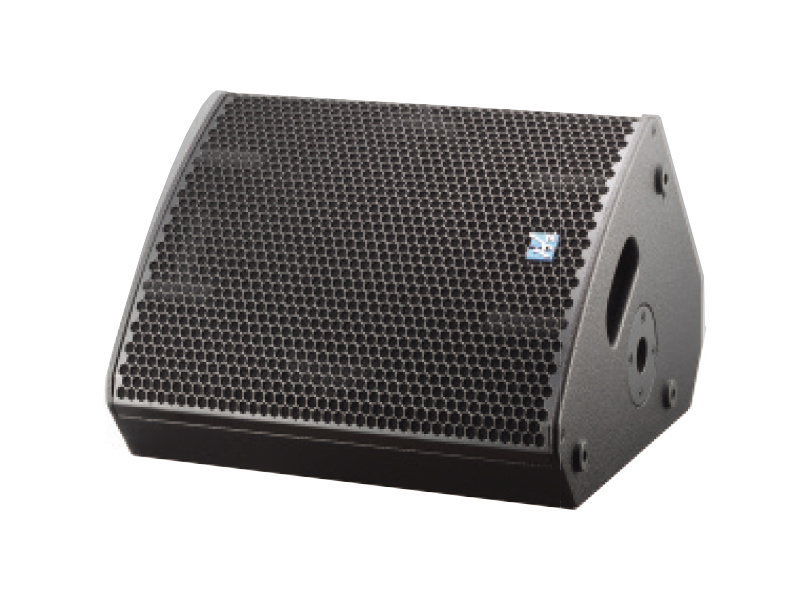
Wedge monitors are the most common type and are designed to sit on the stage floor. Their angled design allows performers to hear the sound without obstructing their view of the audience. These monitors are ideal for vocalists and instrumentalists alike.
In-Ear Monitors (IEMs)
In-ear monitors have gained popularity among professionals due to their ability to deliver high-quality sound directly into the performer’s ears. They provide excellent isolation from ambient noise, allowing for a more focused auditory experience. However, they may require a more complex setup and can be costly.
Column and Line Array Monitors
These types of monitors are becoming increasingly popular for larger venues. Their design allows for even sound distribution across the stage, ensuring all performers receive the same audio quality. They are particularly useful for large ensembles or bands with multiple members.
3. Key Features to Consider When Choosing Stage Monitors
When selecting the right stage monitor speakers, several key features should be evaluated to ensure optimal performance.
Sound Quality
The primary consideration is sound quality. Look for monitors that provide a balanced frequency response, ensuring that both highs and lows are represented faithfully. High-quality speakers will deliver clear vocals and instrumentals, allowing performers to hear themselves accurately.
Power Rating
Power rating, measured in watts, indicates how loud the speaker can go without distortion. Make sure to choose monitors that can handle the demands of your performance. For larger venues, higher wattage is typically necessary to ensure that sound reaches all areas of the stage.
Durability and Build Quality
Live performances can be demanding on equipment. Choose stage monitors built from sturdy materials that can withstand the rigors of travel and repeated use. Reinforced cabinets and high-quality components can make a significant difference in longevity.
Portability
For musicians on the go, portability becomes a key factor. Consider the weight and dimensions of the monitors. Lightweight, compact designs make transportation easier, especially for touring musicians.
Connectivity Options
Flexible connectivity options are essential for seamless integration into your setup. Look for monitors with multiple input options, such as XLR, TRS, and wireless capabilities, to accommodate various sound sources.
4. How Audio Quality Impacts Performance
Audio quality significantly influences a performer's ability to deliver a stellar show. When performers are equipped with high-fidelity stage monitors, they can hear subtle nuances in their music, such as pitch variations and dynamic changes.
Poor audio quality can lead to confusion and lack of confidence on stage. A clear and balanced mix allows artists to stay in tune with each other and maintain consistent timing. Enhanced audio quality also enables performers to connect better with their audience, creating an unforgettable experience.
5. Setting Up Stage Monitors for Optimal Sound
The setup of stage monitors is crucial for achieving the best sound quality. Here are some tips to ensure optimal performance:
Positioning
Monitor placement is vital. Wedge monitors should be positioned at an angle that directs sound towards the performer’s ears without obstructing their view. Make sure to space them evenly across the stage for balanced sound distribution.
Sound Check
Conduct thorough sound checks before performances. This process allows performers to adjust their monitor mixes according to their preferences, ensuring that they can hear themselves and their bandmates clearly.
Adjusting Levels
Adjust the monitor levels carefully. Too loud can lead to distortion, while too quiet can hinder performance. Find the perfect balance based on the venue's acoustics and the performers' needs.
6. Tips for Using Stage Monitor Speakers Effectively
To maximize the benefits of stage monitor speakers, consider the following tips:
Communicate with Your Sound Engineer
Clear communication with your sound engineer is essential. Discuss your preferences and any specific requirements for your monitor mix to ensure that you can perform at your best.
Use Proper Cables and Adapters
Invest in high-quality cables and adapters to maintain audio integrity. Poor-quality connections can introduce noise and signal loss, negatively impacting sound quality.
Regular Maintenance
Regularly inspect and maintain your stage monitors. Clean dust and debris, and check for any signs of wear and tear, ensuring they remain in peak condition for every performance.
7. Common Mistakes to Avoid with Stage Monitors
Avoid these common pitfalls to ensure you get the most out of your stage monitor speakers:
Ignoring Sound Checks
Skipping sound checks can lead to disastrous results. Always allocate time for a thorough sound check to address any issues before the show starts.
Neglecting Monitor Placement
Improper placement of monitors can result in poor sound quality. Make sure to position them correctly to optimize sound delivery.
Overloading the Monitors
Exceeding the power limits of your monitors can cause distortion and damage. Always be mindful of the volume and power ratings to ensure longevity.
8. Frequently Asked Questions About Stage Monitor Speakers
Q1: What are the best stage monitor speakers for live performances?
A1: The best stage monitor speakers vary depending on your specific needs, venue size, and type of performance. Active wedge monitors, in-ear monitors, and line array monitors are popular options among professionals.
Q2: Do I need a sound engineer for my stage monitors?
A2: While it's not strictly necessary, having a sound engineer can greatly enhance your performance. They can manage sound levels and monitor mixes effectively, allowing you to focus on your performance.
Q3: How do I know if my stage monitors are powerful enough?
A3: Check the wattage rating of your monitors and compare it to the size of your venue. A higher wattage is generally better for larger spaces where sound needs to travel further.
Q4: Can I use passive monitors without an amplifier?
A4: No, passive monitors require an external amplifier to function. If you prefer simplicity, consider active monitors with built-in amplifiers.
Q5: How often should I replace my stage monitor speakers?
A5: The lifespan of stage monitor speakers varies based on usage and maintenance. Regularly inspect them for signs of wear, and consider replacing them if sound quality deteriorates or if they are damaged.
9. Conclusion
In conclusion, selecting and using the right stage monitor speakers is essential for any performer looking to maximize their live performance potential. By understanding the different types of monitors, their features, and how to set them up for optimal sound, artists can ensure they deliver a stellar performance. Investing in quality stage monitors and maintaining them properly will not only enhance the performer's experience but also create a more engaging atmosphere for the audience. Remember, clear sound is the foundation of a great show, and with the right stage monitor speakers, you can take your performance to the next level.

CONTACT
Hzaudio Office Address: 16 st joins ave, mont Albert, Vic 3127, Australia
Hzaudio Lab Address: No. 455, Fuyi Road, Dalong Street, Panyu District, Guangzhou, China
Tel: +86 20-34882578 Cell:+86 18620144731
E-mail: sale@hzaudio.com
Follow Us On Wechat!