

Maximizing Your Cinematic Experience: A Comprehensive Guide to Home Theater Speakers
When it comes to creating an immersive home theater experience, the importance of quality home theater speakers cannot be overstated. These speakers serve as the backbone of your audio system, delivering the sound that brings movies, music, and games to life. Understanding the different types of speakers, their features, and how to optimize them is crucial in achieving the best possible sound qual
Aug 23,2026
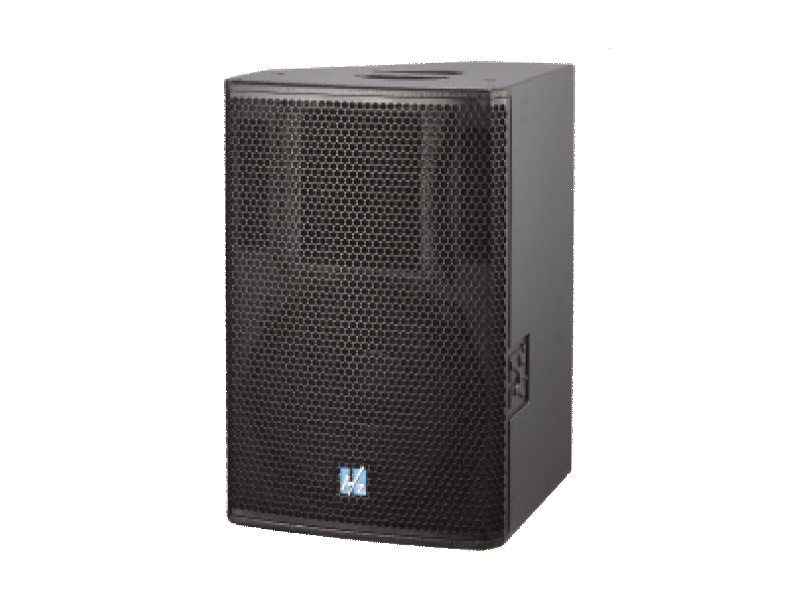
Home theater speakers generally fall into several categories: floor-standing, bookshelf, satellite, and subwoofers. Floor-standing speakers are often used for the main front channels and are designed to produce a full range of sound without needing a subwoofer. They can fill larger rooms with sound, making them ideal for a more spacious home theater setup.
Bookshelf speakers, while smaller in size, can also provide excellent sound quality and are perfect for limited spaces. They can be used as front or surround speakers and usually require a subwoofer for the lower frequency sounds, which is where subwoofers come into play. A good subwoofer is vital for delivering deep bass, enhancing the overall audio experience by providing the thumping lows that accompany action scenes and musical scores.
Satellite speakers are compact and designed to be mounted on walls or placed on shelves. They are primarily used as surround sound speakers in a multi-channel audio setup, adding depth and dimension to the soundstage. A combination of these speaker types can create a well-rounded audio experience, with each type playing its role in the sound hierarchy.
When setting up your home theater speakers, consider the layout of your room. The placement of the speakers can significantly affect the sound quality. Ideally, front speakers should be positioned at ear level and equidistant from your viewing position, forming an equilateral triangle with the listening area. Surround speakers should be placed slightly above ear level and positioned to the side or slightly behind the listener for optimal effect. Meanwhile, subwoofers can often be placed in different locations to find the best bass response, which can vary depending on the room's acoustics.
To enhance your audio experience further, consider utilizing a receiver with advanced audio processing capabilities. Many modern receivers offer features like Dolby Atmos or DTS:X, which can create a more immersive audio experience by adding height channels and making sound move in three-dimensional space around you.
In conclusion, investing in quality home theater speakers and understanding how to position them effectively can transform your viewing experience. By taking the time to research and set up your audio system properly, you can enjoy a cinematic experience that rivals a commercial theater, right in the comfort of your home. Remember, the right speakers can make all the difference in bringing your favorite films and music to life.

CONTACT
Hzaudio Office Address: 16 st joins ave, mont Albert, Vic 3127, Australia
Hzaudio Lab Address: No. 455, Fuyi Road, Dalong Street, Panyu District, Guangzhou, China
Tel: +86 20-34882578 Cell:+86 18620144731
E-mail: sale@hzaudio.com
Follow Us On Wechat!