

Key Features of Professional Stage Monitor Speakers: Elevate Your Sound Experience
Key Features of Professional Stage Monitor Speakers Introduction to Professional Stage Monitor Speakers In the world of live sound production, professional stage monitor speakers play a pivotal role in ensuring that performers can hear themselves and their fellow musicians clearly. Unlike regular speakers, stage monitors are designed specifically for the unique demands of live performances, pr
Sep 07,2026
Key Features of Professional Stage Monitor Speakers
Introduction to Professional Stage Monitor Speakers
In the world of live sound production, professional stage monitor speakers play a pivotal role in ensuring that performers can hear themselves and their fellow musicians clearly. Unlike regular speakers, stage monitors are designed specifically for the unique demands of live performances, providing a tailored audio experience that enhances both sound quality and performance capability. In this article, we will delve deep into the key features that define professional stage monitor speakers, enabling you to make informed choices when selecting the right equipment for your needs.
Understanding the Importance of Stage Monitor Speakers
Stage monitor speakers are essential for both musicians and sound engineers. They provide real-time audio feedback, allowing performers to hear their vocals and instruments clearly, which is crucial for maintaining pitch, timing, and overall performance quality. The right monitor speakers can significantly impact the success of a live performance, making it vital to understand their features and benefits.
1. Sound Quality: Clarity and Precision
The primary function of any stage monitor speaker is to deliver exceptional sound quality. It is crucial for monitors to reproduce audio with accuracy and clarity, allowing performers to discern every note and nuance of their sound.
Frequency Response
A broad frequency response range is vital for stage monitor speakers. High-quality monitors should effectively reproduce both low and high frequencies. Typically, a frequency range of 20 Hz to 20 kHz is desirable, allowing musicians to hear the full spectrum of their sound.
Low Distortion Levels
Low distortion levels are essential for accurate sound reproduction. High-quality professional stage monitor speakers minimize distortion, ensuring that the sound remains clear even at high volume levels. This is particularly important in live settings where dynamic range can fluctuate significantly.
2. Build Quality: Durability in Performance
Stage monitor speakers are often subjected to the wear and tear of live performances. Therefore, durability is a critical feature to consider when investing in monitor speakers.
Materials Used
High-quality materials contribute significantly to the longevity and performance of monitor speakers. Look for cabinets made from robust materials like plywood or MDF, as these tend to withstand physical impacts better than cheaper alternatives.
Weather Resistance
For outdoor performances, weather-resistant features are an added advantage. Monitors that are built to withstand moisture and dust not only enhance longevity but also ensure consistent performance across various environments.
3. Design and Portability: Ease of Use
The design of stage monitor speakers plays a crucial role in their usability and portability, especially for touring musicians.
Compact and Lightweight
Stage monitor speakers should be lightweight and compact, making them easy to transport and set up. Many professional models are designed with portability in mind, featuring ergonomic handles and protective casings.
Adjustable Angles
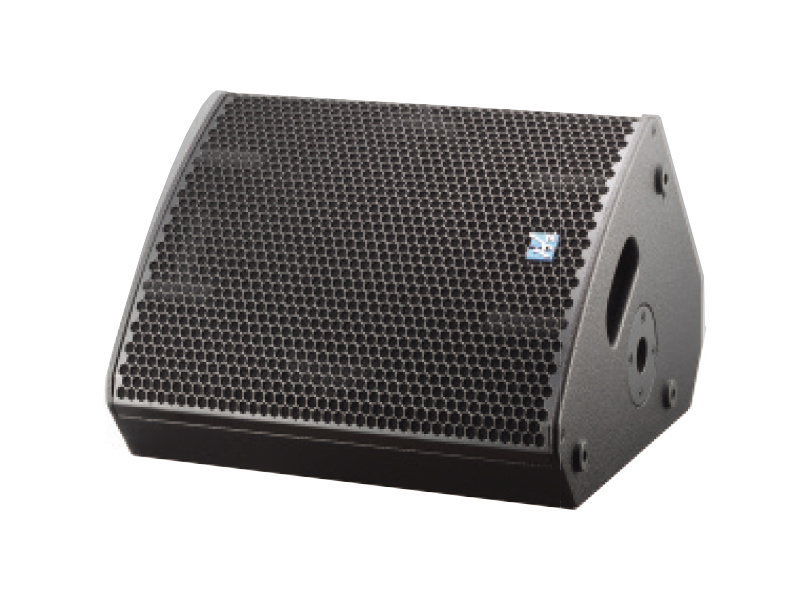
The ability to adjust the angle of the monitor speaker is another feature worth considering. Adjustable angles allow performers to position the speakers optimally, ensuring that sound is directed where it is needed most.
4. Connectivity Options: Versatility in Use
Monitor speakers must offer versatile connectivity options to accommodate various setups and equipment.
Multiple Input Types
Professional stage monitor speakers should provide a range of input options, including XLR, TRS, and RCA inputs. This versatility allows for easy integration with different audio sources and mixers.
Wireless Connectivity
In recent years, wireless connectivity has become increasingly popular. Some modern stage monitors offer Bluetooth or Wi-Fi capabilities, allowing for greater flexibility in setup and reducing the clutter of cables on stage.
5. Power Handling: Ensuring Consistent Performance
Power handling specifications are critical for professional stage monitor speakers. The ability to handle high power levels ensures that the speakers can perform effectively in various settings.
Wattage Ratings
Monitors are typically rated in watts, indicating the amount of power they can handle without distortion. Look for monitors with higher wattage ratings for larger venues where sound pressure levels need to be maintained.
Active vs. Passive Monitors
Active monitor speakers come with built-in amplifiers, allowing for more straightforward setup and often better performance. Passive monitors, on the other hand, require external amplification, offering flexibility in terms of power handling but adding complexity to the setup.
6. Sound Projection: Coverage and Clarity
Effective sound projection is essential for ensuring that every audience member can hear the performance clearly.
Dispersion Patterns
Monitor speakers should have well-designed dispersion patterns that project sound evenly across the stage. A broader dispersion pattern means that sound will reach more areas, ensuring that both performers and audiences enjoy consistent sound quality.
Near-field Monitoring
Near-field monitors are designed to be placed close to the performer, allowing for optimal sound clarity at short distances. These monitors are especially beneficial for vocalists and instrumentalists who need precise audio feedback.
7. Acoustic Treatment: Enhancing Performance
Acoustic treatment refers to how well the monitor speakers interact with their environment, impacting sound quality and clarity.
Built-in EQ Settings
Some professional monitor speakers come with built-in equalization (EQ) controls, allowing performers to adjust sound frequencies to suit their preferences and the venue's acoustics. This feature can significantly enhance the listening experience.
Sound Isolation
Sound isolation features help minimize feedback and ensure that the sound from the monitors doesn't interfere with the main sound system. This is particularly important in live performances where clarity is paramount.
8. Brand Reputation and Support: Trustworthy Choices
When investing in stage monitor speakers, brand reputation and customer support are essential considerations.
Established Brands
Look for established brands that have a history of producing high-quality audio equipment. These brands often invest in research and development, leading to better performance and reliability.
Warranty and Support Services
A robust warranty program and accessible customer support can provide peace of mind when making a purchase. Ensure that the brand offers reliable support and service in case of any issues.
Frequently Asked Questions (FAQs)
1. What is the ideal frequency response for stage monitor speakers?
The ideal frequency response for stage monitor speakers is typically between 20 Hz to 20 kHz, which allows for a full range of sound reproduction.
2. How do I choose between active and passive stage monitors?
Choose active monitors for simplicity and ease of setup as they come with built-in amplifiers. Opt for passive monitors if you want more control over amplification and sound shaping.
3. Can I use stage monitor speakers for home audio setups?
Yes, stage monitor speakers can be used for home audio setups. However, they are specifically designed for live environments, so consider your audio needs and preferences.
4. How can I ensure proper placement of stage monitor speakers?
Stage monitor speakers should be positioned at an angle towards the performers' ears, ideally between 30 to 45 degrees off-axis, to ensure optimal sound clarity.
5. What should I look for in terms of connectivity options?
Look for monitor speakers with multiple input types (XLR, TRS, RCA) and consider those with wireless connectivity for added flexibility and convenience.
Conclusion
Understanding the key features of professional stage monitor speakers is essential for anyone involved in live sound production. From sound quality and build durability to connectivity options and acoustic treatment, each aspect plays a significant role in the overall performance. By considering these features, you can enhance not only the experience for performers but also the audience's enjoyment of the show. Whether you're a musician, sound engineer, or event organizer, making informed decisions about stage monitor speakers will elevate your sound experience and contribute to the success of your live performances.

CONTACT
Hzaudio Office Address: 16 st joins ave, mont Albert, Vic 3127, Australia
Hzaudio Lab Address: No. 455, Fuyi Road, Dalong Street, Panyu District, Guangzhou, China
Tel: +86 20-34882578 Cell:+86 18620144731
E-mail: sale@hzaudio.com
Follow Us On Wechat!