

Enhancing Your Entertainment Experience: A Guide to Home Theater Speakers
When setting up a home theater, one of the most critical components to consider is the speakers. Home theater speakers are designed to deliver high-quality sound that enhances your viewing and listening experiences. They come in various types, each with unique characteristics suited for different spaces and preferences. First, let's explore the different types of home theater speakers. The most co
Sep 08,2026
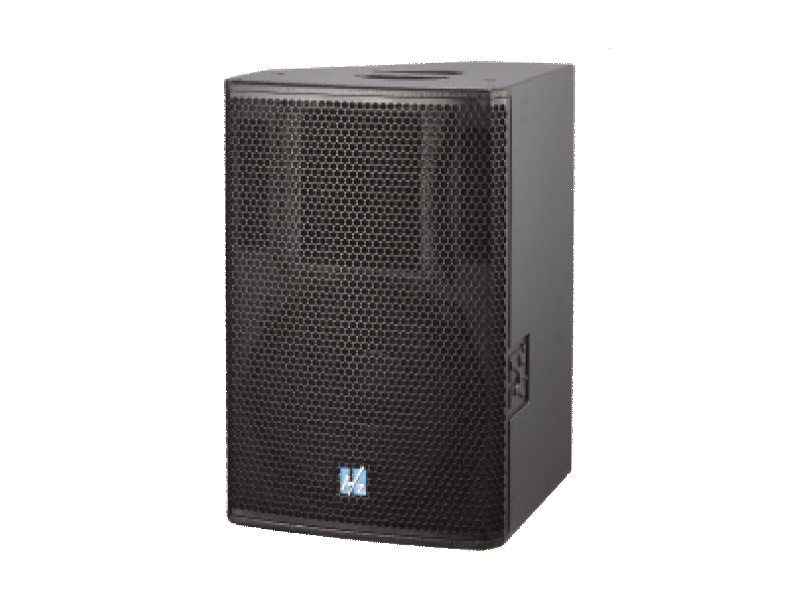
First, let's explore the different types of home theater speakers. The most common types include floor-standing speakers, bookshelf speakers, satellite speakers, and subwoofers. Floor-standing speakers, also known as tower speakers, are larger and can provide a fuller sound due to their size and build. They are excellent for larger rooms where they can fill the space with rich audio.
Bookshelf speakers, while smaller, still pack a punch and are perfect for medium-sized rooms. They are versatile and can be placed on shelves or mounted on stands. Satellite speakers are compact and are typically used as surround speakers in a home theater setup, providing immersive sound effects that enhance the overall experience. Subwoofers, on the other hand, are dedicated to producing low-frequency sounds, adding depth to music and movie soundtracks.
When selecting home theater speakers, consider the size of your room and the layout of your seating area. Larger rooms may require more powerful speakers or additional units to ensure even sound distribution. Conversely, smaller spaces might benefit from smaller, more compact options that do not overwhelm the area.
Compatibility is another important factor. Ensure that your speakers match your audio receiver's specifications. This includes impedance and power ratings, which are crucial for optimal performance. Many home theater systems allow for customization, so you can mix and match different types of speakers to create the perfect audio setup that meets your specific needs.
Additionally, pay attention to the speaker's frequency response. A wider frequency range typically means better sound quality, allowing you to hear both the highs and lows in your audio content. Look for speakers that offer good sensitivity ratings, which indicate how efficiently they convert power into sound.
Placement also plays a vital role in sound quality. Ideally, speakers should be positioned at ear level when seated, and surround speakers should be placed slightly above ear level for the best surround sound experience. Experimenting with speaker placement can lead to significant improvements in audio performance.
In conclusion, investing in quality home theater speakers can transform your home entertainment experience. By understanding the different types of speakers available and their characteristics, you can make informed decisions that will enhance your listening experience, whether you're watching movies, playing video games, or enjoying your favorite music.

CONTACT
Hzaudio Office Address: 16 st joins ave, mont Albert, Vic 3127, Australia
Hzaudio Lab Address: No. 455, Fuyi Road, Dalong Street, Panyu District, Guangzhou, China
Tel: +86 20-34882578 Cell:+86 18620144731
E-mail: sale@hzaudio.com
Follow Us On Wechat!